
Crochet bags have become super popular. They’re stylish, practical, and completely customizable. When picking out yarn for a project, the fiber you choose really makes a difference. I’ve put to work both natural and synthetic fibers for my crochet bags over the years, and each fiber type changes not just the look but also the feel and durability of the finished bag. Here’s my rundown of what to expect from both natural and synthetic options, plus a closer look at how these choices play out for real-life crochet projects.
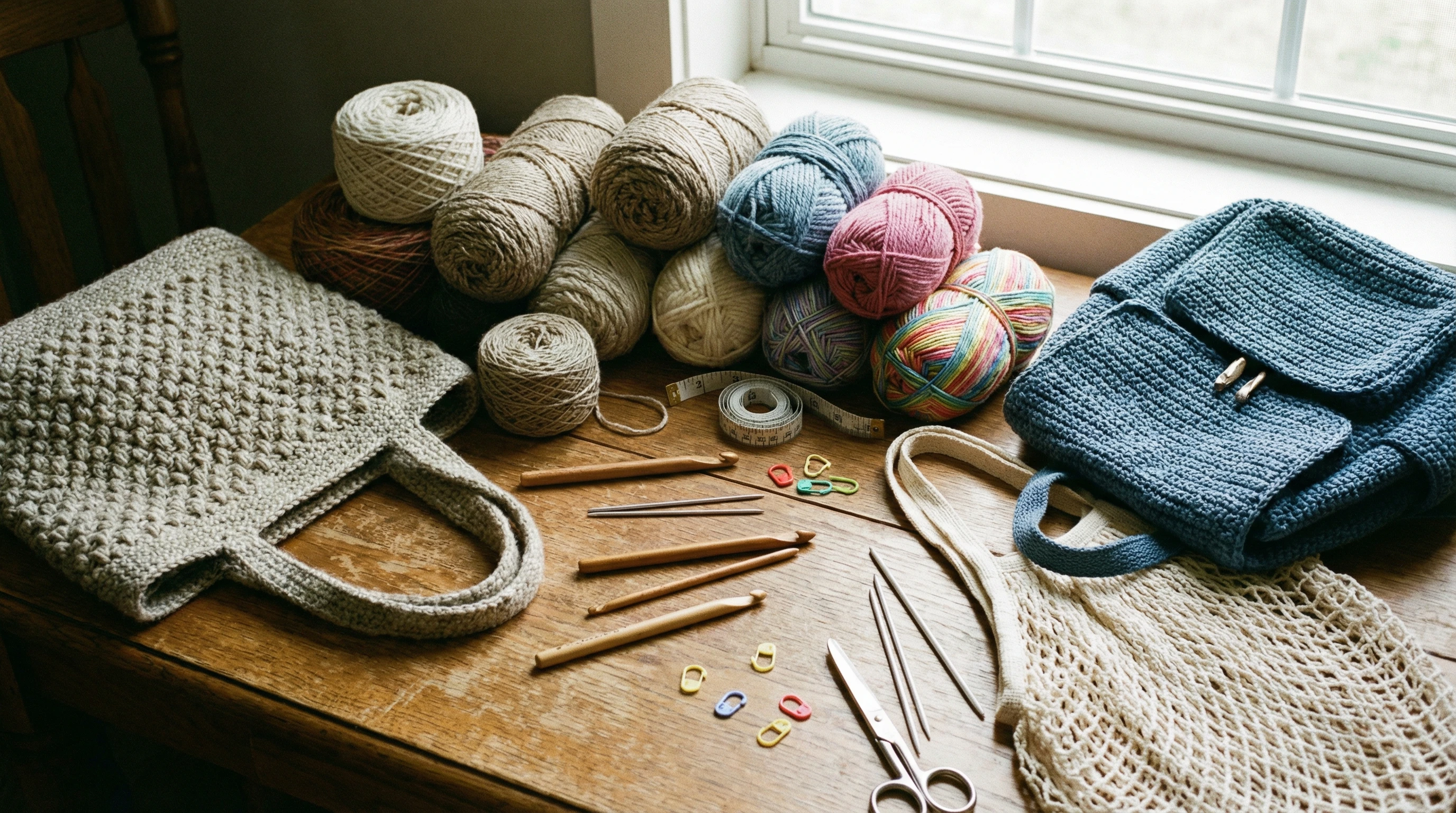
What Are Natural and Synthetic Fibers?
Yarn comes in tons of different materials, but most boil down to being natural or synthetic. Knowing what each is can help you figure out which fits your crochet bag goals best.
Natural fibers are made from materials that come from plants or animals. Common examples include cotton, wool, and linen. You’ll also see bamboo and silk, though they’re less common for bags. These fibers have been put to work for centuries and generally appeal to people looking for something traditional or eco-friendly.
Synthetic fibers are made from chemical processes using petroleum or similar sources. Some well-known types are acrylic, polyester, and nylon. These were developed to mimic natural fibers but usually offer extra durability and can have brighter colors or different textures.
Natural Fibers: Pros, Cons, and Perfect Uses
Crocheting a bag with natural fibers gives a classic or artisanal look. Cotton, for example, makes for sturdy bags that hold their shape pretty well. Linen and hemp are also getting popular for anyone after that clean, boho vibe. Here’s what stands out to me about natural fibers in crochet bags:
- Breathability: Natural fibers usually let air pass through, keeping bags from getting stuffy, especially if you’re using them on warm days.
- Texture: They often feel soft and smooth against your hands, which is especially nice for totes you’ll be carrying around everywhere.
- Ecofriendliness: Many crafters appreciate that cotton, linen, and other plant-based fibers are biodegradable. Using organic forms adds to the environmentally friendly appeal.
On the flip side, natural fibers do have a couple of challenges:
- Stretching: Some, like cotton, can stretch out with heavy use, especially if you tend to pack your bag full.
- Drying time: These fibers absorb water and take longer to dry. If you get caught in a rainstorm, a natural fiber bag can get soggy pretty fast.
- Fading: Colorful cottons can lose vibrancy after lots of sun exposure or repeated washing.
Natural fiber bags shine if you love a rustic, earthy look and want something with a bit of texture. Think market totes, summer sling bags, or simple purses for everyday use.
If you’re after a unique finish, check out mixes of different plant fibers, such as a cottonlinen blend, bringing together the strengths of each while creating subtle variations in look and touch. While it’s not as common, you can also use blends that mix animal and plant fibers, like wool-cotton for extra warmth and structure, though these are pricier.
Synthetic Fibers: Features, Benefits, and Best Projects
If modern, low-maintenance, or bold are more your thing, synthetic yarns like acrylic or polyester might just be your best friend. After crocheting several bags with synthetic yarn, here’s what jumps out at me:
- Vibrant colors: Synthetics hold dye really well. If you want punchy, neon hues or sharp contrasts, you’ll find a ton of choices with these fibers.
- Affordability: Synthetic yarns are generally cheaper, so they’re handy if you’re making multiple bags or working on a budget.
- Durability: They stand up to lots of wear and tear, resist stains better, and don’t shrink or stretch as easily as most natural alternatives.
- Quick drying: Acrylic and polyester barely hold onto water, making them perfect for bags that might get wet or are used at the beach or pool.
Synthetic yarns aren’t perfect for every crochet bag, though:
- Less eco-friendly: Most are not biodegradable and some release microplastics during washing.
- Feel: Some can feel scratchy or plasticky, especially in basic acrylics. Higher-end synthetic blends are softer, but they cost more.
- Static: Synthetic yarns are notorious for static cling, which can make your yarn stick to itself—or your clothes—when crocheting!
Synthetic fibers are a solid choice for shopper totes or gym bags you’ll toss around without worrying much about stains or rain. If you want metallic, sparkly, or fancy textures, synthetics like Lurex or shiny acrylics help you get that nextlevel cool look.
Comparing Key Features: Fiber Matchmaking for Crochet Bags
Natural and synthetic fibers both offer plenty of cool features. I always try to match the yarn to the bag I have in mind. Here’s a breakdown of how they stack up for key attributes:
- Strength: Both natural fibers (like strong mercerized cotton) and synthetic yarns (nylon or polyester) offer great strength, but synthetics often have an edge for really heavy loads.
- Washability: Synthetics usually go right in the washing machine and dry super quickly. Natural fibers often need a gentler touch and may shrink, especially wool.
- Look and style: Natural fibers give a classic, organic look, while synthetics can mimic anything from soft suede to shimmery metallics.
- Environmental impact: Plant-based natural yarns are more sustainable. Synthetics use petroleum-based production and don’t break down over time.
For example, I like to use cotton or hemp for simple, breezy bags and synthetics for larger, statement pieces that need to be tough, easy to clean, and maybe even a little waterproof.
If sustainability matters to you but you still want some features of synthetics, keep an eye out for recycled yarns. Brands now offer recycled polyester spun from plastic bottles or reclaimed cotton made from industrial waste, helping keep resources in the loop.
Important Things to Consider Before Picking a Fiber
Choosing the right yarn isn’t just about looks. Here are some things that regularly guide my decisions:
- Intended use: If your bag needs to be tough enough for groceries or gym gear, a synthetic or robust natural yarn does the job. Delicate styles for light carrying can do just fine with softer cotton or linen.
- Allergies: Wool and some synthetic fibers can irritate sensitive skin. For anyone who’s allergyprone, cotton or acrylic usually feels safer.
- Budget: Plant-based yarns can get expensive, especially in organic or specialty forms. Synthetics are usually much cheaper per skein.
- Care: If you want to toss the finished bag in the wash after every use, go for a tough synthetic. If you’re okay with gentle handwashing, you can explore more options.
- Sustainability: To shrink your environmental footprint, stick with plant fibers or hunt down recycled yarns. There are cool recycled polyesters and upcycled cottons on the market now too.
Strength & Durability
Heavier crochet bags, like backpacks or laptop totes, need yarn that can handle the weight. Synthetic fibers like nylon beat most natural options here, since they resist stretching and breaking. Mercerized cotton is a strong plant-based choice if you prefer natural yarns.
Maintenance
For low-fuss bags, machine-washable synthetics are easiest. Dressier purses look fantastic in linen, bamboo, or wool blends—just know they might call for a little more TLC. Some natural fibers like wool can felt or pill, especially if you toss the bag around day in, day out.
Advanced Tips for Mixing and Matching Fibers
You don’t have to stick with only one type of yarn! Mixing natural and synthetic fibers in a single project gives you lots of creative control. Try using a cotton base for breathability and shape, with synthetic handles or bands for extra strength and color. You can make interesting textures too, mixing matte natural fibers with shiny, nextlevel cool metallic synthetics or even adding a section of chunky synthetic for a pop of dimension.
For a recent beach tote, I combined hemp yarn for the sturdy base with recycled polyester stripes, resulting in a bag that was both tough and tons of fun. Mixing fiber types gives you the flexibility to build exactly the look and functionality you want for each bag.
The Basics: Which Bags Suit Which Fibers Best?
Here are a few common crochet bag types with yarn suggestions based on what’s worked well for me:
- Market/Shopping bags: Sturdy cotton, hemp, or recycled synthetics are my go-tos. They need to carry weight and handle lots of use.
- Beach bags: Washable synthetics dry fast and take on sand and water better than cotton. Try polyester or a cottonsynthetic blend.
- Mini purses/clutches: For a clean look, bamboo or linen delivers great stitch detail while keeping weight down.
- Backpacks: Nylon or tougher blends make these bags long-lasting and rugged.
Often, your favorite fiber comes down to your personal taste and how much maintenance you want to do—really, if you like the result, there’s no wrong answer!
For oversized or specialty bags, feel free to jump into innovative blends, like jute mixed with synthetic thread for an extra-durable beach bag, or mixing denim yarn with polyester for a modern twist on a classic denim tote. Crocheters now have more yarn options than ever, letting you match your bag’s personality to the yarn that feels right in your hands.
Frequently Asked Questions
Some common questions come up when choosing fibers for crochet bags:
Question: Do natural fiber crochet bags hold up over time?
Answer: With a tight stitch and gauge, cotton or hemp bags can last for years. They might eventually stretch if you overload them too often, but well-made synthetic options usually keep their shape longer in high-wear situations.
Question: Are there eco-friendly synthetic yarns?
Answer: Some brands offer recycled polyester or acrylic. These yarns reuse plastic bottles or textile waste, making them a smarter choice for environmentally conscious crafters.
Question: Can I use both fiber types in one bag?
Answer: Absolutely! Mixing natural and synthetic gives you the best of both worlds and can really make your bag stronger while letting you mix up your style.
Wrapping Up
Picking natural or synthetic yarn for your crochet bag is less about tradition versus tech, and more about matching the right fiber to your style and daily routine. Whether you love earthy, soft details or bold, bright colors and serious toughness, you’ll spot a fiber that will help your project stand out.
Try out different yarns and blend a few to see what works for you. Enjoy finding the perfect match for your next crochet bag adventure!