
Switching from plastic bags to eco-friendly crochet bags is one way I’ve found to reduce single-use plastics and bring a touch of handmade charm to everyday life. These reusable bags are more than just a trendy accessory; they’re practical, durable, and a pretty handy solution to some of today’s biggest waste problems. Here’s my take on how eco-friendly crochet bags help reduce plastic waste and why you might want to try them out for your next grocery run or outing.
Why Crochet Bags Are an Eco-Friendly Choice
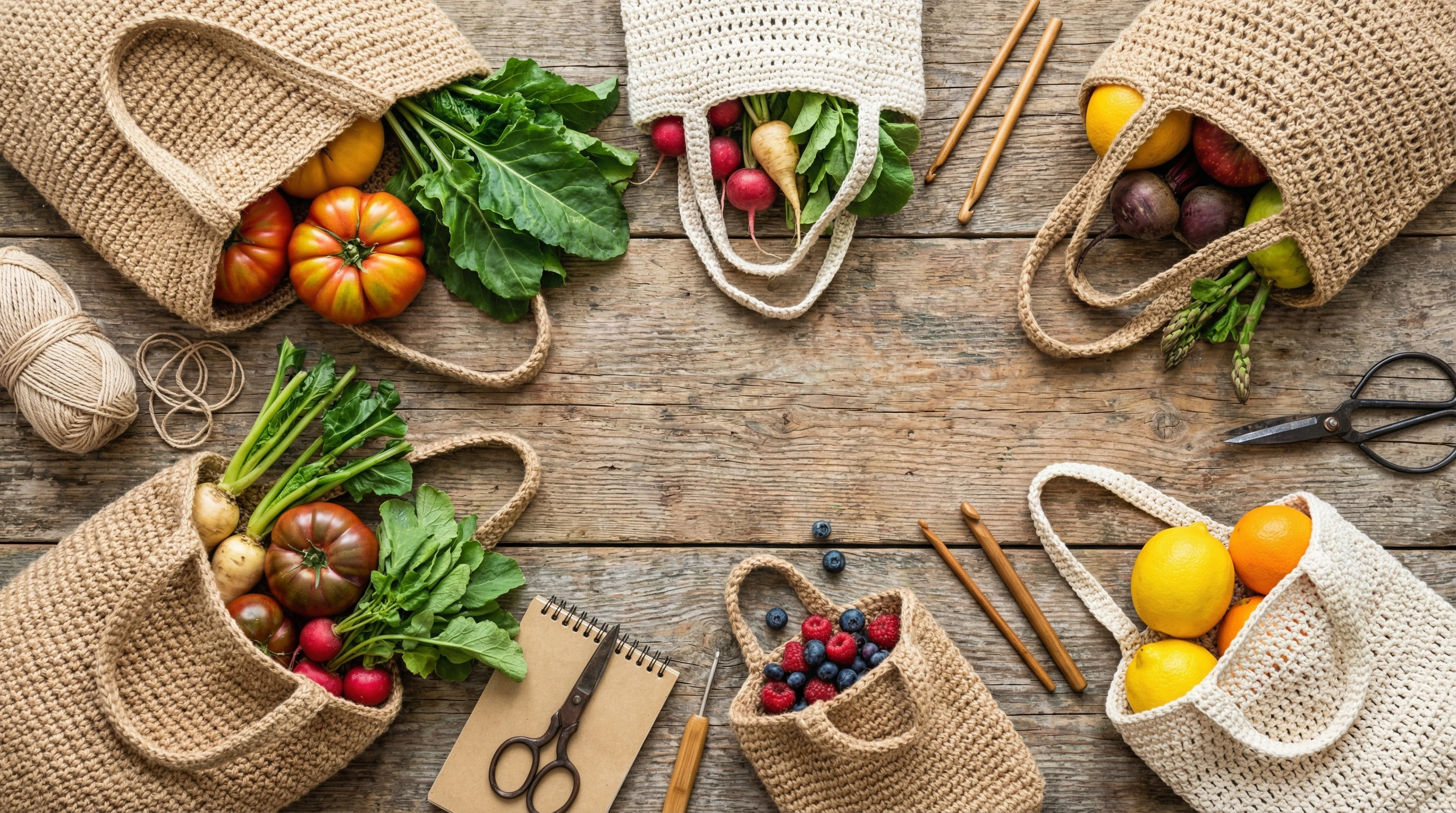
Crochet bags made from natural or recycled yarns check many boxes for people aiming to live a greener lifestyle. These bags eliminate plastic entirely, using renewable materials such as cotton, jute, or bamboo fibers, or sometimes upcycled yarn. Using them feels great because I know I’m staying away from single-use plastics, and there’s a lot less guilt at checkout.
I remember one summer at the farmers’ market. Plastic bags were available everywhere, but I always reached for my sturdy cotton crochet tote. It got compliments, sure, but it also meant I wasn’t adding any more plastic into our already overflowing waste streams. That small change felt tangible and easy to keep up.
Globally, plastic bags can take hundreds of years to break down. Along the way, they clog waterways, harm wildlife, and leach microplastics into soils and oceans. By bringing your own reusable bag, whether handcrafted or store-bought, you can help reduce this significant waste issue. If you want more data on this, the Environmental Protection Agency has a nice overview on waste reduction strategies. A simple switch can keep countless bags out of rivers, parks, and landfills worldwide.
The Basics: Materials and Designs That Matter
A big part of what sets ecofriendly crochet bags apart is what they’re made of. I stick to natural fibers or recycled yarn (think old Tshirts cut into strips or thrifted materials). Cotton and jute are strong, washable, and hold up great after loads of use. Here are some pros of different materials:
- Cotton: Soft, flexible, and naturally biodegradable. Plus, organic cotton avoids pesticides, so it’s easier on the planet. Cotton is comfortable to use and comes in all sorts of colors. That makes it a favorite for customizing your bag.
- Jute: Naturally strong and grows quickly, making it a low-impact crop. Jute bags have a rustic feel and can hold significant weight. They’re especially great if you routinely pick up heavy groceries or shop for bulk produce.
- Bamboo: Super soft and sustainable since bamboo grows fast with little water or fertilizer. Bags made from bamboo yarn are lightweight but still reliable, a neat blend of style and utility.
- Upcycled Yarns: Giving old textiles new life, such as using yarn spun from recycled plastic bottles or leftover clothing fibers. This is a creative way to use up what might have been waste, adding ecofriendly points to your bag.
If you’re making bags at home, cotton yarn is an easy place to start, but tons of other eco-friendly options are out there. You can find patterns for everything from simple market totes to complex granny square styles online (there’s a thriving crochet community on sites like Ravelry and many free tutorials on YouTube). You might even stumble upon local crochet groups or workshops to help you learn the ropes.
How Reusable Crochet Bags Cut Down on Plastic Waste
The biggest plus of crochet bags is that each use means one fewer plastic bag ends up in the landfill. It adds up fast. For instance, carrying your own bag for just one grocery trip per week means skipping more than 50 plastic bags per year. Over a few years, that’s hundreds of bags avoided.
Plastic bags are rarely recycled because they get tangled in recycling machinery, so most end up as litter or in landfills. When you switch to crochet bags, you’re doing a few things at once:
- Lowering demand for single-use plastics.
- Encouraging companies and local stores to offer greener bagging options.
- Setting an example for others; folks often ask about my bag, which makes it easy to chat about why reusable is better.
Places like California and some parts of Europe have even started banning or taxing plastic bags, making reusables the new standard. According to the Plastic Pollution Coalition, reducing plastic bag use is a simple step that really pays off over time for both people and wildlife. The best part is that you don’t need to sacrifice convenience or fashion. Crochet bags are flexible, and custom designs let you create pieces that fit your look and needs.
Quick Guide: Getting Started with an Eco-Friendly Bag Habit
If you’re new to crochet bags or just want to ramp up your reusables game, here are some steps I’ve found super useful:
- Pick Strong, Washable Bags: Look for (or make) bags that are sturdy enough for daily use and easy to toss in the wash. Cotton bags handle veggies and groceries like champs. Choose ones with tight stitches for more security with small items.
- Keep Bags Where You’ll Use Them: I stash a couple of crochet bags in my car, purse, and even near my front door so I never forget them. It’s a simple trick that actually works, especially on busy days.
- Get Family or Friends Involved: Share extra bags as gifts or teach someone to crochet their own. It turns a solo effort into something communal, and you’re more likely to remember your bags if others are doing it too. Starting a crocheting session can be a fun way to connect outside of technology for a while.
- Choose Multiple Sizes: Large totes for groceries and smaller pouches for snacks or produce. Having the right size means you won’t rely on plastic for odd-shaped items. Sometimes I keep a tiny bag just for bakery treats or fragile fruit—super handy.
- Celebrate Your Wins: Notice those skipped plastic bags each trip. It’s motivating to keep at it when you see an impact, even if it’s just your household’s waste shrinking. Some people even keep a little tally in their calendar or phone for a visual reminder of how much they’ve saved.
Establishing this habit puts your eco goals within everyday reach without a major lifestyle overhaul. It turns your usual shopping trip into a small but meaningful eco-friendly act.
Possible Challenges and How I Overcame Them
Any reusable switch comes with a learning curve, but I’ve found solutions for the most common pain points:
- Forgetting Bags: It’s easy to forget your bag at first, but making it visible (hanging by the door or clipped to your keys) helps a ton. Some folks leave a reminder note or set a phone alert for shopping days.
- Washing and Care: Natural fiber bags might shrink or fade if you’re not careful. I wash them in cold water and lay them flat to dry. They come out fresh and last way longer this way. Washing with other ecofriendly items can help reinforce habits too.
- Carrying Heavy Items: Cotton and jute are surprisingly strong, but double up the straps or use tighter stitches for extra support. I stress tested mine with milk cartons and they passed with no problem. You can even reinforce highstress spots with simple embroidery floss or spare yarn.
- Style & Versatility: Some folks worry about style, but crochet bags come in all kinds of designs and colors. I match them to my outfits or pick up fun yarn colors to keep things interesting. If you want to be extra organized, color-code bags for different uses.
Caring for Your Crochet Bags
Taking care of eco-friendly bags is pretty easy if you pay attention to materials. Most natural fiber bags go straight in the wash (cold water only, mild soap). Skip the dryer to avoid any shrinkage; flatten them out or shape them while damp. Every couple of months, I check the seams to see if they need a quick repair, but that’s rare and kind of satisfying to fix up. A little maintenance keeps them looking sharp and ready for action.
When Bags Finally Wear Out
Eventually, even the toughest bag reaches its last days. The cool part about cotton and other natural fibers is that they’re compostable. You can cut them up and toss them in with food scraps, and they’ll break down over time. Some upcycled yarns may require special disposal; check the fiber content if you’re unsure. If the fabric is fully natural, even the little bits can go in your compost bin, making it a nearperfect zero waste cycle.
Advanced Tips: Making the Most of Eco-Friendly Crochet Bags
After you’ve made the switch, there are some ways to make these bags even more useful in daily life:
Add a Liner: A simple fabric lining (upcycled from old shirts, if possible) helps contain dirt and adds durability when loading heavy groceries. Liners also help block moisture when carrying chilled or damp items—you can toss the liner in the wash separately when it needs cleaning.
Personalize It: Experiment with patterns or stitches; think stripes, granny squares, or fun shapes. A unique bag is way more likely to get used and noticed. Personalizing your bag adds a bit of fun, and it’s something you can keep updating as your crochet skills grow.
Use for More Than Shopping: Crochet bags also work well for beach trips, picnics, gym gear, or everyday use. Their lightweight, flexible design makes them easy to fold up when not in use. I even use one to keep craft supplies organized at home or to carry books and lunch to the park.
Try Patterns with Pockets: Internal or external pockets make it easy to organize your items; keys, produce, even a pocket for spare change or a small wallet. Adding a pocket or two can transform your bag into an allrounder, perfect for busy days out or keeping snacks handy for kids.
Making your bags personal and practical keeps you reaching for them, cutting down on plastic one use at a time. Plus, every bag you create is another step toward reducing overall waste in your own family or community.
Where to Buy or Make Ecofriendly Crochet Bags
If you want to DIY, free and paid crochet patterns are everywhere; try YouTube tutorials or visit local yarn shops for materials and tips. Not keen on making your own? Tons of small businesses and crafters offer handmade reusable bags on platforms like Etsy. Look for sellers who use responsibly sourced yarns for the greenest option. Markets, pop up craft fairs, and even some grocery cooperatives sometimes feature local crocheters selling ready to use bags, so keep an eye out next time you’re at a community event.
Frequently Asked Questions
Question: Are crochet bags really strong enough for heavy shopping?
Answer: Absolutely! I use a double-strand method or tighter stitches for extra strength. Cotton and jute especially stand up to heavy loads.
Question: How often should I wash my bags?
Answer: Once every couple of weeks is usually enough unless you spill something. Just toss them in with your regular laundry (cold wash), and they’re good to go.
Question: What happens if my bag gets damaged?
Answer: Most small tears or stretched stitches are easy to repair with a basic crochet hook or sewing needle. There are lots of tutorials online for simple fixes and quick repairs. In a pinch, knotting the yarn or patching a hole can give your bag a longer life.
Question: Are crochet bags better than other reusable options, such as canvas totes?
Answer: Each has its perks! Crochet bags are stretchy and can hold odd shapes, plus they’re lighter and fold up really small. Both help reduce plastic, so it’s about what fits your routine. I find crochet bags work best for everyday shopping and produce, while canvas totes are handy for bulk or larger purchases.
Ready to Make the Switch?
Eco-friendly crochet bags turn a daily chore into a greener, more creative habit. Each bag you use means less plastic in the world and a little more personality to your shopping trips or travels. Between their durability, ease of care, and positive impact, there’s a lot to love about making the switch from plastic to crochet. Give it a try; your groceries (and the planet) will thank you. If you’ve got kids, getting them involved in picking colors or carrying their own bag can turn errands into a small adventure. Small choices, like reaching for a crochet bag, can have a significant impact over time.