
Curious about where your favorite organic cotton T-shirt starts its life? I had the opportunity to speak with Chris, a friendly and knowledgeable organic cotton farmer from California. If you’ve ever wondered what’s involved in organic farming, how it affects our clothes, or what daily life is like on an organic cotton farm, you’re in the right place. I picked Chris’s brain for tips, stories, and a behind-the-scenes look at growing cotton organically. Let’s jump in!
Getting Started in Organic Cotton Farming
What inspired you to become an organic cotton farmer?
Chris told me that his family has been farming for three generations, but making the move to organic was more than just a family tradition; it was driven by his passion for healthy soil and clean water. Everyone in his family previously ran a traditional cotton operation, but after learning about organic methods, Chris was hooked on how much healthier and more sustainable they felt. He explained, “Switching to organic really changed the way I look at farming as a steward of the land.”
How did you transition to organic?
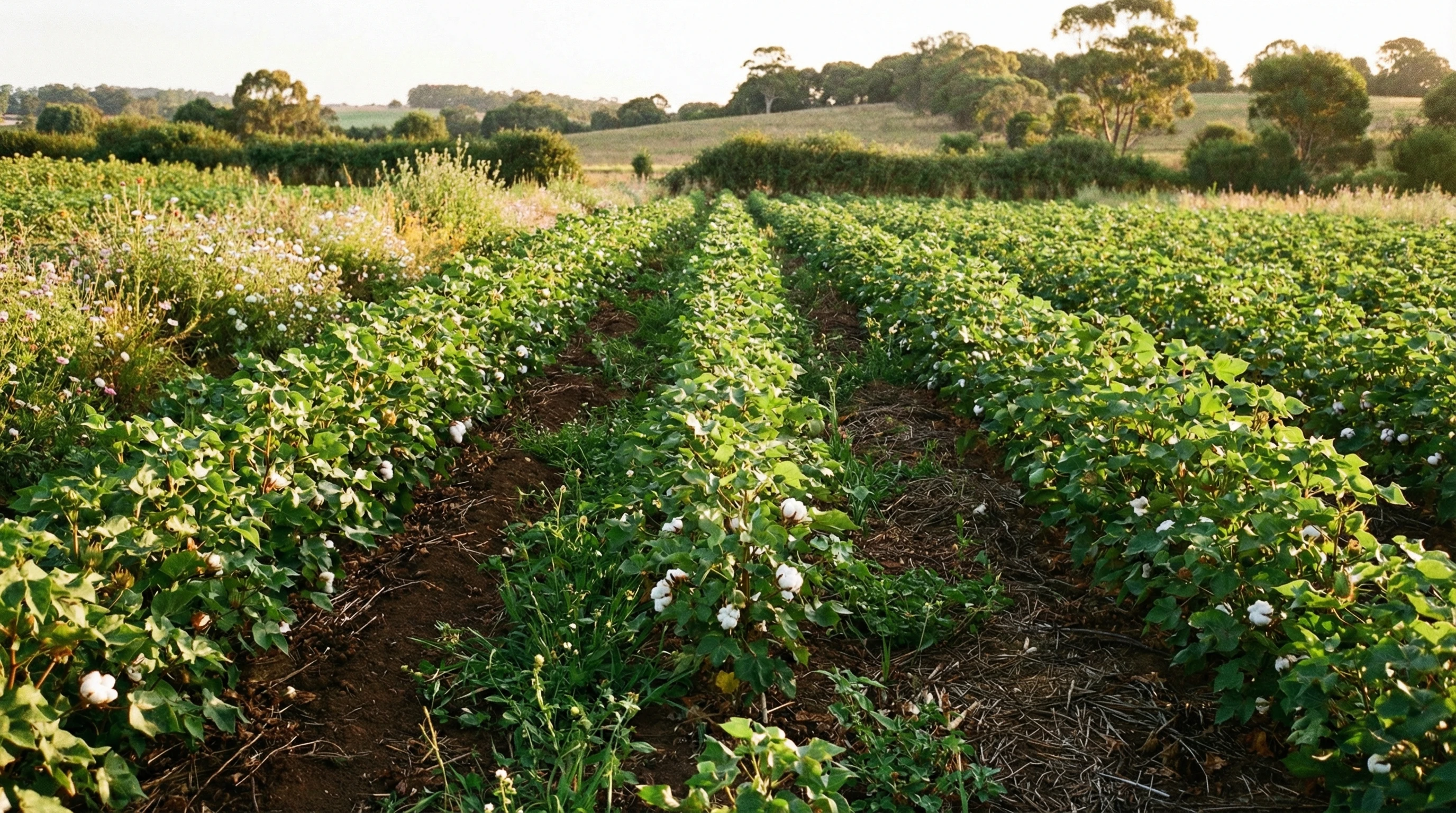
Switching wasn’t exactly easy for Chris. He had to go through a three-year transition period to meet organic certification requirements, stop using chemicals, and introduce crop rotation. Chris shared that it took some time to get used to battling pests with natural solutions instead of pesticides, but he figured out a few creative tricks, like planting wildflowers nearby to attract helpful insects. For him, the adventure was about patience, persistence, and growing new habits over time.
While Chris admits some days were long and the learning curve was steep, he also found perks. He learned how to read the signs of a healthy ecosystem—the buzz of bees, birds returning, even the smell of rich, living soil signaled his efforts were paying off. Chris also mentioned that switching to organic methods created new opportunities to connect with local chefs and artisans seeking sustainable materials, opening doors that conventional farming rarely did.
Farming Practices and Daily Life
What does a typical day look like on your organic cotton farm?
Days on an organic cotton farm are busy from sunrise to sunset. Chris’s routine starts by checking soil moisture and walking the fields to look for any issues with pests or weeds. Because herbicides are off limits, Chris spends a good bit of his day pulling out weeds by hand or with simple tools. He keeps careful records for every part of the process, which is required for organic certification. Helping hands, including local students interested in sustainable agriculture, sometimes join in to learn and lend support.
What are some challenges unique to organic cotton farming?
Organic cotton farming comes with its own set of hurdles. Chris pointed out that not using synthetic fertilizers or pesticides means he must stay ahead of nature by rotating crops and using compost to keep the soil healthy. Weather can be unpredictable, yields are sometimes lower, and pest outbreaks pop up unexpectedly. He said it can get stressful, but he finds it rewarding to know the end result is better both for the land and for people who wear the cotton.
One unique challenge Chris faces is timing the planting and harvesting just right to work with the rhythm of the local climate. He’s learned that a late spring or early rain can change everything. Community support helps him weather these unpredictable moments, and he shares advice with neighboring farms to help everyone thrive.
Environmental Impact and Sustainability
How does organic cotton farming benefit the environment?
Chris gets pretty passionate about this part. Organic cotton farms like his use less water, avoid introducing harmful chemicals into the ecosystem, and build up good soil bacteria that make the farm healthier long term. He’s noticed more bees, butterflies, and other wildlife since switching to organic, and says, “It feels great to see the impact right in my own backyard.”
Is organic cotton really that different from conventional cotton?
Chris explained that the main difference comes down to how the soil is treated and the level of wildlife support. Organic cotton can be more expensive, but Chris believes paying a bit more is worth it for a healthier planet and knowing your clothes don’t come with a side of chemicals. Plus, he’s convinced the fibers feel softer and last longer thanks to healthier plants.
He also pointed out that organic farming encourages biodiversity, strengthens local communities, and inspires other farms nearby to think about sustainable options. Even small changes, like swapping to natural compost or letting a field lie fallow to recover, can make a difference for the whole region.
Market, Pricing, and Advice for New Farmers
Who buys your organic cotton?
Most of Chris’s harvest goes to sustainable fashion brands, but he’s also started selling directly to small batch clothing makers who really care about traceability. People are becoming more interested in where their fibers come from, and brands like Patagonia and Everlane have reached out to him, looking for high-quality, clean cotton.
Is it profitable to grow organic cotton?
Chris was honest that organic farming isn’t the fastest way to get rich. The transition takes time, and there’s more manual labor. However, prices for organic cotton are usually higher and more stable over time. He’s built close relationships with loyal customers, which helps a lot. For him, the value goes beyond money—it’s about doing right by the planet and leaving a positive legacy for his kids.
What advice would you give to someone interested in organic cotton farming?
Chris’s number one tip is to start small and get to know your land. He suggests connecting with other organic farmers for advice and support, and being patient during tough years. The certification paperwork brings a steep learning curve, but he says it gets easier the more you do it. Chris also recommends joining local co-ops or farmer networks, since having a support system is key.
Got More Questions About Organic Cotton?
If you’re curious about organic cotton or want to support farmers like Chris, you can find plenty of info on The Organic Trade Association. Shopping for organic cotton, checking product labels, or just spreading the word about sustainable farming is a great way to get involved and make a positive impact. Every organic cotton T-shirt helps make the world a little cleaner and brighter—a decision that’s good for you and the planet.