
If you’re into making crochet bags, eco-friendly yarns are a fantastic choice. With growing awareness about sustainable crafting, crocheting with environmentally conscious materials isn’t just good for the planet—it also makes your bags unique and appealing. I’m going to break down the top 10 eco-friendly yarns for crochet bags and include what makes each one really worth checking out. Whether you love earthy textures, bright colors, or tough fibers that last, you’ll find something here to take your next crochet project up a notch.
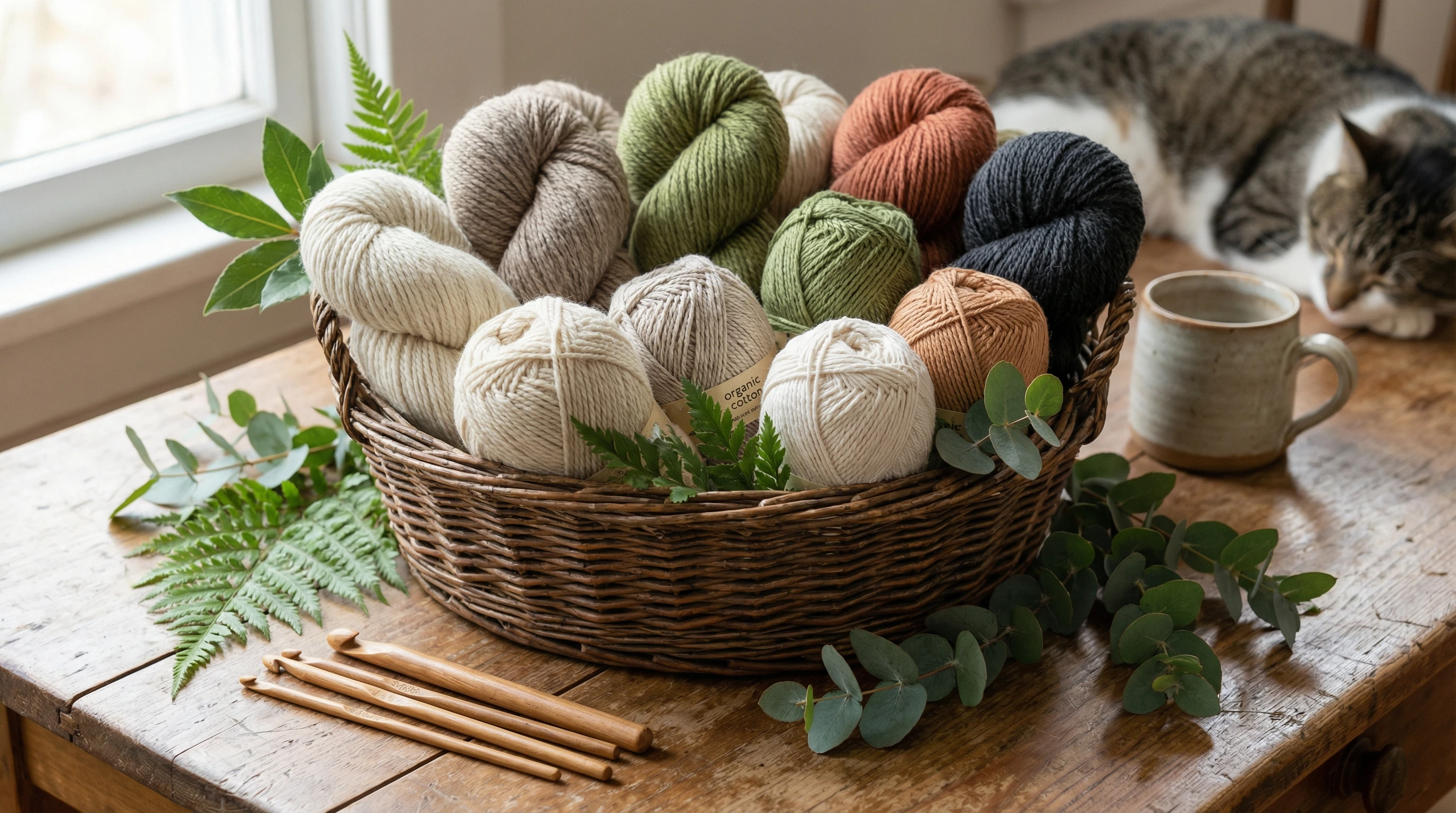
Why Crochet Bags with Eco-friendly Yarns?
Sustainable crafting is more than just a trend; it’s an easy way to cut down on waste and avoid microplastics, which aren’t good for the environment. I’ve found that using eco-friendly wide yarn for crochet bags can really make your finished items stand out. These yarns come from sources that are renewable, recycled, or responsibly managed, and they’re often dyed with low-impact or natural dyes.
Crocheting with these materials keeps things interesting and encourages more crafters to make choices that feel good. There’s a big variety, too, so you’re not stuck with just a handful of options. You’ll see organic cottons, plant-based bamboo, recycled fibers, and even some cool blends with hemp or linen. That means your bags can look and feel just how you want, without compromising on sustainability.
Types of Eco-Friendly Yarn for Crochet Bags
Before I get into my top 10 list, here’s a quick overview of what “eco-friendly yarn” usually means. It helps to know what to look for when you’re shopping, and gives you a base for picking what’s right for your bag projects. Here are a few main types you’ll come across:
- Organic Cotton: Grown without synthetic pesticides or fertilizers. It has a soft touch and offers excellent stitch definition, perfect for everything from slouchy bags to sturdy totes.
- Bamboo: A super-fast-growing, low-impact plant that makes soft, silky yarns. Bamboo fiber has natural antibacterial properties, making it lovely for bags that get lots of use.
- Recycled Fibers: Made from preconsumer or postconsumer waste, turning old fabric or plastic into something new. Choosing recycled yarns gives discarded materials a second life and often results in unique color combos and textures.
- Linen and Hemp: Both are tough, plant-derived fibers that break down easily and last long in finished projects. They produce rugged, long-wearing, closed-loop bags with a natural look.
- Tencel and Lyocell: Produced through closedloop systems that reuse water and solvents, these yarns are smooth and strong. Their glossy finish adds an upscale feel to handcrocheted bags.
Having these basics in mind keeps your stash eco-friendly while still giving you plenty of creative freedom. Always read labels for sourcing info when you’re choosing yarn for a new project!
Top 10 Ecofriendly Yarns for Crochet Bags
The world of sustainable fiber keeps growing, and there are plenty of brands and blends to check out. Here are my top picks, with a bit of insight into what makes each special for crochet bags:
- Lily Sugarn Cream (100% Organic Cotton): This staple yarn is soft but super sturdy, making it a favorite for strong tote bags. Its wide range of saturated colors and reliable wear make it really handy for everyday projects. Plus, it’s easy to find!
- Rowan Denim Revive (Recycled Cotton): Spun from old denim, this yarn has a cool, tweedy look and a tough feel. It works excellently for durable market bags and has that upcycled vibe many crafters want.
- Hoooked RibbonXL (Recycled Textiles): A chunky, tape-style yarn made from fashion industry leftovers. It crochets up quickly and adds structure, which is fantastic for bags that need to hold their shape.
- BC Garn Bio Balance (Organic Cotton/Wool Blend): Super soft with a bit more resilience than 100% cotton. The blend gives bags a nice handfeel and helps them hold up to daily use while remaining easy on the environment.
- KPC Gossyp (Organic Cotton): Grown without pesticides, this yarn is gentle on sensitive skin and perfect if you want a smooth, predictable stitch pattern in your bags. Lots of natural shades are available, too.
- We Are Knitters The Tape Yarn (Recycled Cotton): This unique flat yarn has amazing drape and makes crochet bags that look modern and fresh. Made from discarded clothing, it’s a favorite for eco-conscious fashion.
- Lion Brand ReUp Yarn (Recycled Cotton/Polyester): Made from factory waste, it uses less water and energy in production. It’s a budget-friendly pick for simple tote and mesh market bags.
- Fibra Natura Unity (Linen/Cotton/Bamboo/Hemp Blend): With its rustic texture, this blend is breathable and robust, ideal if you want a natural look and a bag that lasts through a lot of use.
- Loops & Threads EcoCotton (Recycled Cotton): Sold at many craft stores, this yarn lets you try eco-friendly crochet on a budget and is reliable for bags, home goods, and more.
- Eco Yarn by Darn Good Yarn (Banana Fiber or Tencel): These specialty yarns are made from banana trees or other upcycled plant materials, adding something totally different to your stash. They create slouchy, textured bags with a story.
Every yarn in this list brings something different to the table. Experimenting with them can help you track down the perfect fiber for your design—a sustainable upgrade that still delivers style. Plus, you can combine these yarns for even more texture and originality in your projects.
Choosing the Right Yarn for Your Project
The yarn you pick should fit both the bag’s intended use and your own style. Here are a few quick pointers based on what I keep in mind when planning a new crochet bag, plus some extra tips for narrowing down your selection:
- Toughness Matters: If you want a bag that’ll carry heavy groceries or books, opt for recycled cotton, hemp, or blends with linen; they don’t stretch too much and stand up to lots of wear.
- Texture and Look: For slouchy hobo bags, bamboo or tape yarns look amazing. For market bags, mesh made with worsted-weight organic cotton is classic and sturdy enough for practical use.
- Weight and Shape: Chunky tape yarn is perfect for structured bags and baskets, while lightweight yarns give you more drape and texture for drawstring or crossbody styles. Choose the yarn weight that matches your desired finish.
- Color Options: Many ecofriendly yarns favor earthy or undyed palettes, but several brands also provide varied colors using lowimpact dyes, so you can still go bold if you like.
Nothing beats testing with small swatches if you’re unsure. Making a quick sample helps you see how sturdy or stretchy the fabric feels before starting a big bag project. Don’t be afraid to try mixing yarn types if you want even more texture or color contrast.
How to Spot a Truly Sustainable Yarn
A lot of yarns claim to be green, but some telltale signs help you spot the real deal. I usually look out for:
- Certifications: Things like GOTS (Global Organic Textile Standard), OEKO TEX, or Recycled Claim Standard offer more peace of mind and show a commitment to eco standards.
- Clear Labels: The label should mention organic, recycled, or sustainable sources, and ideally explain the process a bit more. Look for transparency in sourcing and production.
- Brand Transparency: I like it when companies share info about their sourcing, dyeing, and production. Some brands even highlight how much water or energy is saved, which helps you make greener choices and better understand the impact.
Careful research helps buyers make informed decisions and supports companies that prioritize planet-friendly production. You can also check out online reviews and crafting forums for honest feedback on how sustainable and practical different yarns are.
Crocheting Tips for Eco-Friendly Yarns
Sustainable yarns can sometimes behave differently from acrylic or standard cotton. Here are some super helpful tips I’ve learned while working with them:
- Check Your Gauge: Especially with blends or stretchy tape yarns, always check your tension with a test square. Yarns made from recycled materials can vary in thickness.
- Loose Stitches Work Better: With coarse fibers like hemp or linen, don’t crochet too tightly. A looser stitch makes the bag flexible and easier to work up.
- Fiber Care: Many eco-friendly yarns recommend handwashing and air drying, which is perfect for maintaining their shape and color for the long haul.
- Storage Tips: Store plant-based and recycled fiber yarns in a dry, cool place to prevent mustiness or unwanted stretching, especially before you start crocheting your bag.
Most of these materials are pretty forgiving, but they do best when you let the natural fiber shine. Take your time to get a feel for the unique textures—you’ll end up with longer-lasting crochet bags and less frustration during the process.
Frequently Asked Questions
I get a lot of questions when people see my crochet bags at markets or online. Here’s what stands out:
Question: Are all eco-friendly yarns vegan?
Answer: Not always. Many are plant-based, but some can include organic wool blends. Checking the label helps if you’re looking to avoid all animal products.
Question: Do bags made from recycled yarns really last?
Answer: Absolutely. Most recycled and plant-based yarns are chosen for their durability. In fact, my oldest tote is still in use years after its first trip to the farmer’s market.
Question: Can you dye or embellish eco-friendly yarns?
Answer: Many of them take dye well, as long as they’re made from natural fibers. Embellishing is easy, too, and gives your projects more personality.
Question: Where can I buy these eco-friendly yarns?
Answer: You can pick them up at local craft stores, eco-focused online shops, or directly from the brands’ websites. Shopping local is often more earth-friendly, too.
Wrapping Up
Crocheting bags with eco-friendly yarns is a simple way to add some sustainable style to your life. There’s a ton of choice out there, so you can track down a fiber and texture that matches precisely what you want your finished bag to feel like. Not only will your bags look eye-catching, but you’ll also know you’re keeping things earth-friendly at the same time. Grab a skein or two from the list above and give your next crochet project a sustainable twist. Your creativity and the planet will both get a boost from your choice!