
Turning plastic trash into crochet treasures is surprisingly satisfying and great for the planet. If you’ve been thinking about fun new ways to use up all those plastic bags or bottle wrappers lying around, upcycled plastic crochet projects offer the perfect mix of imagination and eco-friendly crafting. With a little bit of know-how, anyone can start making sturdy, practical, and colorful items that keep plastic out of landfills and give your crochet skills a real workout, too.
Popular Projects You Can Crochet with Upcycled Plastic
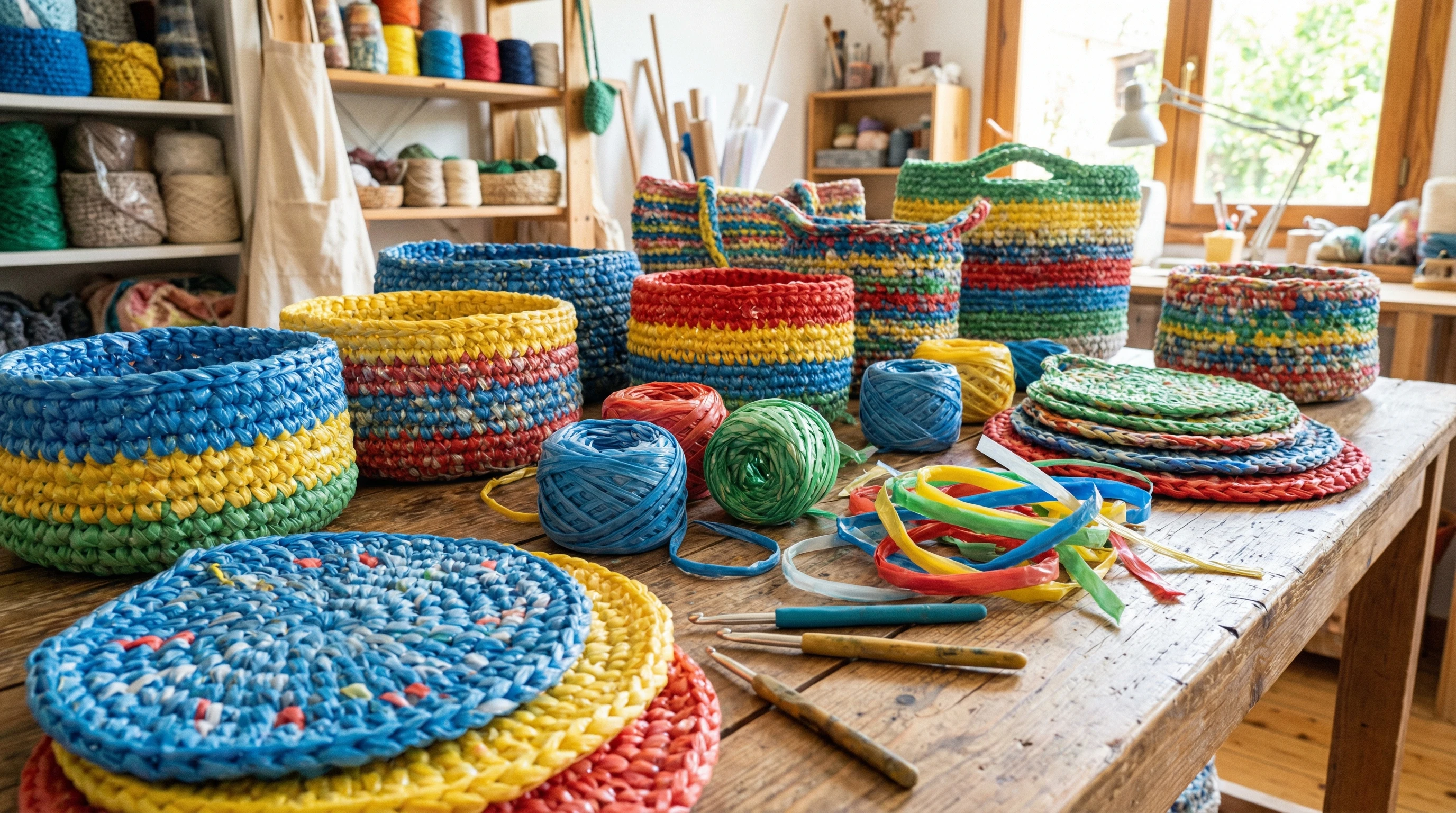
When it comes to upcycled plastic crochet, the options are pretty wide. Nearly any project you’d usually make with yarn can work with plastic-based plarn (that’s short for plastic yarn). The final products are typically strong, weather-resistant, and bright, making them suited for things that get a lot of use or need to hold up to wet conditions. Here are just a few project ideas I’ve tried and recommend if you’re feeling crafty:
- Reusable Shopping Bags: Perfect for groceries or errands, these bags hold up well and don’t mind getting wet.
- Outdoor Mats or Rugs: Crocheted mats made from plarn are durable for porches, patios, or entryways.
- Planters and Plant Hangers: Since plastic doesn’t break down from moisture, these let you bring extra color outside.
- Beach or Pool Tote: Sand and water won’t hurt these totes, and they shake out easily for a quick clean.
- Pet Accessories: Leashes, waterproof feeding mats, and even toys for your furry friends can all be made from plarn.
- Baskets for Storage: Keep clutter at bay with strong, colorful baskets that last.
Other ideas worth checking out include shower caddies, scrubbers, doormats, coasters, or even hats for garden gnomes. Basically, anything you can crochet with regular yarn is worth a try with yarn made from upcycled plastics—and the end results are always unique.
How to Make Plastic Yarn (Plarn) for Crochet
Making plarn is simple, and you don’t need any special equipment. Grocery bags are the most common material, but get creative with other thin plastics, like bread bags or dry-cleaning bags, as long as they’re clean and not too brittle. Here’s how I usually make plarn:
- Flatten and Trim: Start by flattening the plastic bag and trimming off the handles and bottom seam. You’ll have a flat rectangle.
- Cut into Strips: Fold the bag lengthwise a couple of times, then slice it into strips about one to two inches wide. Try to keep the strips even for better results.
- Link the Loops: Unfold the strips; they’ll be closed loops. Link the loops by pulling one through the next, then pull the ends through themselves to knot, creating a long chain.
- Ball It Up: Roll your plarn into a ball, and it’s ready for any crochet hook size you want (though larger hooks, like size N or P, work best for plarn).
Chopping up old plastic this way is a fun intro to upcycling, and you can even invite friends or family to help make a bunch for bigger projects. Some crafters also use plastic wrappers from snacks or produce bags for extra color and awesome textures.
Is Crocheting Upcycling? Understanding the Process
Crocheting with plastic bags absolutely counts as upcycling. Upcycling is all about turning something that would usually be thrown away into something new, useful, and often more valuable. Regular recycling breaks down items, but upcycling gives them a whole new purpose with very little processing and waste. I like to think of upcycled crochet as a hands-on way to experiment with trash while making items you’ll actually use at home, outside, or for gifts.
The best part? Many people are surprised by how strong, flexible, and even eye-catching upcycled crochet items can be. Using plastic bags, wrappers, and packaging this way not only cuts down on waste, but it also means you’re not buying more materials. That’s a win for both your wallet and the environment.
Quick Tips for Getting Started with Plarn Crochet
If you’re just starting out, here are some quick tips to make your upcycled plastic crochet adventure a bit smoother:
- Choose the Right Hook: Larger hooks (size M, N, or larger) make working with plastic strips much easier. Smaller hooks can still work, but they need a bit more muscle.
- Keep It Loose: Crocheting with plarn requires a softer touch; if you crochet too tightly, it can hurt your hands or cause the plastic to snap. Loose and even stitches create more flexible projects.
- Mix in Regular Yarn: For some projects, using a strand of regular yarn alongside plarn creates a neat look and feels easier to work with for beginners.
- Sort by Color: If you want a certain color theme for your bag, rug, or basket, separate your plastics by shade before cutting.
- Practice Makes Perfect: The texture is definitely different from traditional yarn. Try making a few practice swatches before jumping into a bigger project.
Don’t stress about making everything perfect. Upcycled plastic crochet is forgiving, and even small mistakes usually aren’t noticeable in the finished product. Play around and see what styles you like best!
Common Challenges and How to Fix Them
While upcycling plastic with crochet is super rewarding, there can be a few tricky parts when you’re new to the craft. Here are a few issues I’ve run into and easy ways to handle them:
- Static Buildup: Sometimes, static makes the plastic stick to everything. Rubbing the plarn ball gently with a dryer sheet helps calm that down.
- Plastic Tearing: Some bags (especially old or sun-bleached ones) can tear easily. Test your bags before spending a lot of time cutting, or try doubling up thin strips as you crochet.
- Achy Hands: Crochet with plastic takes a little more hand strength, so take breaks, stretch, and switch to an ergonomic hook if you spend long stretches working with plarn.
- Jagged Edges: If your project feels scratchy, smooth jagged bits by snipping sharp corners after you finish.
As with any new craft, patience goes a long way. Most problems can be handled with simple tweaks or by experimenting with your technique to suit the materials.
Crocheted Upcycled Plastic in Everyday Life
One of my favorite parts of this hobby is how long these items last. For example, I made a plarn welcome mat that’s still going strong after a year outside in the rain. Friends and family are always impressed that something so sturdy was once a bag headed to the trash. I’ve even traded a plarn tote for homegrown veggies at my local farmer’s market—people love the story behind these kinds of handmade items.
If you want inspiration or just to see the range of creative possibilities, check out online crochet communities or groups focused on sustainable, eco-friendly crafting. There’s a ton of cool designs out there, and people are usually happy to share tips or patterns if you check in and ask.
Frequently Asked Questions about Upcycled Plastic Crochet
Here are some common questions crafters run into when starting with upcycled plastic crochet:
What can I make with recycled plastic?
Pretty much anything you’d usually crochet can work! Bags, mats, baskets, plant hangers, bath scrubbers, pet leashes, organizers, and more all do really well with plarn. Try out a few different things to see what works best with your stash and needs.
How to turn plastic into yarn?
The quickest way is to flatten and trim a plastic bag, cut it into even loops, then link those loops together to make long strips (plarn). Once you’ve got a long strand, ball it up, and you have your own homemade upcycled yarn ready for crochet.
Is crocheting upcycling?
You bet. Crocheting with old plastic bags, wrappers, or packaging is a hands-on example of upcycling because you’re taking something that would be trash and turning it into something useful or beautiful. It helps cut down on plastic waste and keeps crafting fun and budget-friendly at the same time.
Why Give Upcycled Plastic Crochet a Try?
Upcycled plastic crochet is more than just a hobby; it’s a simple, practical way to help reduce waste while putting your maker skills to work. Whether you’re hoping to be more sustainable or just want to get into something new, turning plastic into plarn offers plenty of room for creativity. Plus, showing off your finished makes and sharing how they came from what others would toss is always a fun bonus. Give this craft a whirl and see what you can turn your old bags into next!