

Eco-friendly yarn dyeing isn’t just a trend; it’s quickly becoming one of the most talked-about changes in the textile world. Not only does it help keep our rivers and water sources cleaner, but it also offers crafters a way to create beautiful, one-of-a-kind yarns without the waste and hazards of conventional dyes. After researching and experimenting with natural and sustainable methods myself, I’m sharing what I’ve learned so you can try these techniques at home or simply understand what’s involved in more sustainable fiber arts.
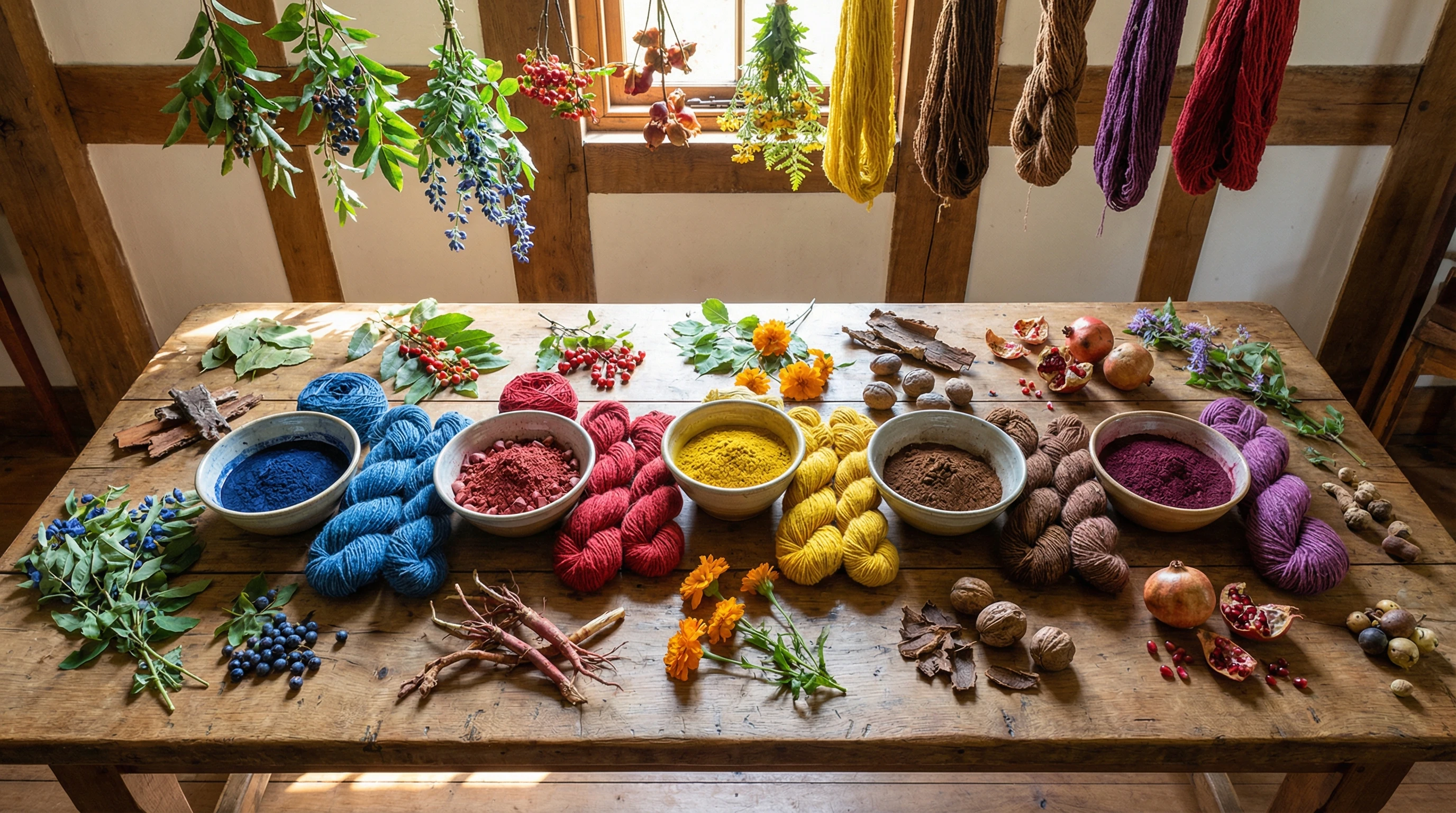
Understanding Ecofriendly Yarn Dyeing Techniques
Eco-friendly yarn dyeing focuses on methods and ingredients that minimize environmental harm. Traditional dyeing methods often rely on synthetic chemicals and heavy water use, which isn’t great for the planet or for anyone sensitive to those substances. In contrast, sustainable dyeing techniques keep natural resources and human health front and center.
The main eco-friendly techniques include:
- Plant-based dyes: Coloring yarn using roots, leaves, berries, or flowers.
- Low-impact synthetic dyes: Modern dyes are designed to require less water and fewer harmful chemicals during the process.
- Waterless or reduced water processes: Dyeing that uses less water by steaming or using concentrated dye baths.
- Solar and cold water dyeing: Harnessing the sun’s heat or using cool temperatures to reduce energy use.
Plant-based and low-impact synthetic dyes both have their place as eco-friendly options, depending on the fiber and intended use. Solar- and cold-water dyeing reduce the energy footprint, which is pretty handy if you’re aiming for a greener craft room.
Ecofriendly Natural Dyes: What’s Safe and Sustainable?
When I first started exploring natural dyes, I was surprised at what you can create using stuff from your kitchen or garden. Eco-friendly natural dyes come from sources that are not only renewable but also biodegradable, making them easy on both people and the environment.
Some well-known eco-friendly natural dye sources:
- Onion skins: Produce golden yellows and rusty oranges.
- Avocado pits and skins: Yield gorgeous blush pinks.
- Walnut shells: Make rich browns and tans.
- Cochineal insects: Offer vibrant reds and are considered a sustainable animal-derived dye.
- Turmeric root: Creates bright, sunshine yellow yarn.
- Coffee grounds and tea leaves: Give subtle browns and beiges.
- Indigo: Classic blue, harvested from various plant species.
What makes these eco-friendly is that they usually require fewer dangerous chemicals (or none at all), and the dye baths can often be composted after use. It’s still important, though, to check if the source is harvested responsibly; overharvesting wild plants can be a problem if demand grows.
How to Dye Yarn at Home Naturally
Dyeing yarn at home using natural methods is surprisingly straightforward and doesn’t need any fancy equipment. I’ve done this several times with foraged plants and kitchen scraps, and it’s always a fun experiment.
Here’s a quick walkthrough on how to dye yarn with natural ingredients:
- Prep the yarn: Choose animal fibers (like wool or alpaca) for best results since they take up natural color more easily. Soak the yarn in lukewarm water to get it ready for even dyeing.
- Mordanting: Almost all natural dyes need a mordant; this is just a substance that helps the dye stick to the yarn. Alum is a safe, common option, and you can buy it at many grocery stores.
- Make your dye bath: Simmer your chosen plant material (like onion skins, avocado pits, or walnut shells) in a pot of water. Strain out the solids so you only have the colored liquid.
- Dye your yarn: Add the wet, mordanted yarn to the dye bath and let it simmer gently. Stir every so often for an even color. Let it sit for an hour or longer for deeper shades.
- Rinse and dry: When you’re happy with the color, rinse the yarn under cool running water until the water runs clear. Hang to dry, preferably out of direct sunlight.
Safety note: Always use separate pots and utensils for dyeing. Don’t use anything you plan to use for cooking food.
Spotlight: Japanese Natural Dye Techniques
Japan has a long and rich history of natural dyeing, much of which is still practiced today by artisans and hobbyists. The general term for Japanese dyeing with natural materials is “Some” (染め).
One of the most iconic Japanese natural dye techniques is shibori, a resist-dyeing method. Shibori is all about creating beautiful patterns on fabric or yarn using folding, tying, or stitching before the piece hits the dye bath. Indigo is the dye most famously associated with Japanese dyeing traditions, resulting in those classic deep blue hues.
Key points about Japanese natural dyeing:
- Focuses heavily on indigo and plant-based dyes.
- Combines careful fabric folding, tying, or binding with immersion in natural dye baths.
- Uses techniques such as itajime (clamp resist), arashi (pole wrapping), and kumoshibori (spider web pattern).
While shibori gets a lot of attention, Japanese dye artists also use other locally sourced materials, such as madder root for red and safflower for yellow and orange. The process is meditative and involves patience, often requiring multiple dips and drying sessions to build intense colors without harsh chemicals. There’s a deep cultural respect for both the process and the environment, making Japanese natural dyeing not just a craft but a way to connect with nature. Learning about these traditional methods can inspire eco-friendly dyers everywhere to try something new—adding a sense of calm and creativity along the way.
Step-by-Step Guide: Eco-Friendly Yarn Dyeing Process
Natural dyeing at home can seem a bit intimidating, but with the right supplies and a little patience, it’s really approachable. Here’s my checklist for an easy, eco-friendly yarn dyeing session:
- Select your yarn: Natural fibers (especially wool, cotton, or silk) take up dye best.
- Soak and mordant your yarn: Soak it in water and then simmer in a simple alum solution to help colors “set.”
- Prepare your dye bath: Gather the natural ingredients—onion skins, avocado pits, berries, etc.—and simmer in water.
- Dye your yarn: Add wet, mordanted yarn to the dye liquid and keep it at a low simmer, stirring gently for even color.
- Cool and rinse: Take the yarn out, cool, and rinse well until the water runs mostly clear.
- Dry: Hang your yarn to dry, and enjoy the one-of-a-kind shades you’ve created.
Each batch is a little unpredictable, which I think is part of the charm. You’ll get soft, earthy tones that are hard to replicate in synthetic dyes. And don’t forget to keep notes; writing down the materials, times, and water conditions will help you improve with each experiment.
Common Issues and How to Solve Them
No matter how careful you are, some challenges can pop up. Here are a few common problems and what I’ve found helpful for each one:
- Uneven color: Usually comes from the yarn not being fully soaked or stirred. Let the yarn soak and keep stirring gently in the dye bath.
- Color fades after washing: Double-check your mordanting step. Sometimes colors need longer to “cure” before washing.
- Muddy or dull shades: Some dye sources react unpredictably to tap water minerals or pH. Try distilled water, a splash of vinegar (for acidity), or baking soda (for alkalinity) to tweak your results.
Uneven Color in Hand-Dyed Yarn
Sometimes you end up with patches that are lighter or darker than the rest of the skein. Giving the yarn a thorough soak before dyeing and gently stirring it during the dyeing process can even out the color. It’s not unusual for home-dyed yarn to have a bit of a “handmade” look, and that adds character and uniqueness to your creations.
Color Fading with Eco-Friendly Dyes
Natural dyes tend to be softer and can fade over time, especially after repeated washes. Letting dyed yarns air-dry in the shade and washing them with gentle, pH-neutral soap helps the color last longer. It’s also a good idea to avoid storing it in direct sunlight. If you want a more vibrant color, sometimes you just need to repeat the dyeing process, which layers the shade and helps deepen the hue.
Tips for Making Eco-Friendly Yarn Dyeing Even Greener
- Compost leftover plant material and dye liquid after use.
- Reuse mordant and dye baths if possible for lighter shades.
- Opt for local, seasonal plants for dyeing to cut down on shipping and energy use.
- Save rainwater for your dye baths to reduce tap water use.
- Swap dye plants with friends or craft groups in your area to cut down on waste and try out new color sources.
Small tweaks in your process make a difference over time. Even little steps, like collecting onion skins with your compost ingredients or freezing avocado pits until you have enough, amount to a more thoughtful approach to crafting. Keeping an eye out for new ways to reuse and reduce waste in your dye sessions means you’ll always be improving your eco-friendly practice.
Frequently Asked Questions About Eco-Friendly Yarn Dyeing
Here are some questions I often hear from fellow crafters and curious newbies:
What are the best eco-friendly dyeing techniques?
Answer: Techniques like using plant-based dyes, solar dyeing, water-reduced processes, and cold dyeing are great choices for keeping your craft eco-friendly. Each offers unique results and reduces chemical and water use compared to typical dyeing methods.
What natural dyes are eco-friendly and safe?
Answer: Onion skins, avocado pits, walnut shells, turmeric root, tea, coffee grounds, and indigo are all safe and easy to use at home for sustainable dyeing. You can experiment with other plants, herbs, and even fruit peels for unexpected results. The important thing is to know where your materials come from and make sure they’re sustainably sourced.
How can I start dyeing yarn naturally at home?
Answer: Start with a foraged ingredient or kitchen scrap, a stainless steel pot you don’t use for food, and store-bought alum as a mordant. Follow the basic steps: soak yarn, prep a dye bath, simmer, rinse, and dry. Any of the natural dyes listed above are good places to start. Joining online fiber arts groups can offer extra tips as you get going.
What is the Japanese natural dye technique?
Answer: The Japanese technique known as “shibori” uses plant-based natural dyes, most often indigo, and involves tying, folding, or binding yarn or fabric to create intricate resist patterns before dyeing. This method results in next-level cool designs and highlights the beauty of both randomness and skill in natural dyeing traditions.
Moving Forward With Eco-Friendly Yarn Dyeing
Eco-friendly yarn dyeing puts a creative spin on sustainable living. Whether you’re passionate about protecting the environment or just want to try something new, natural dyeing offers a hands-on, satisfying experience that connects you directly with your materials. Plus, each project has a story; colors switch up with the seasons, and no two batches are exactly the same. Exploring eco-friendly techniques is a rewarding way to keep your crafting mindful and vibrant. Bottom line, by learning and experimenting with greener dyeing, you’re part of a growing movement to make fiber art better for both people and planet. Time to roll with your own eco-friendly adventure and let your creativity shine!