
Shopping for sustainable yarn on a budget can feel a little intimidating at first, but it’s completely possible to find eco-friendly options without draining your bank account. I’ve spent quite a bit of time crawling through yarn stores, researching fiber labels, and testing different brands. It’s actually kind of fun hunting for those hidden gems that hit both the eco-friendly and wallet-friendly boxes. Here’s what I’ve learned about making sustainable yarn shopping affordable, easy, and even rewarding.
What Makes a Yarn Sustainable?
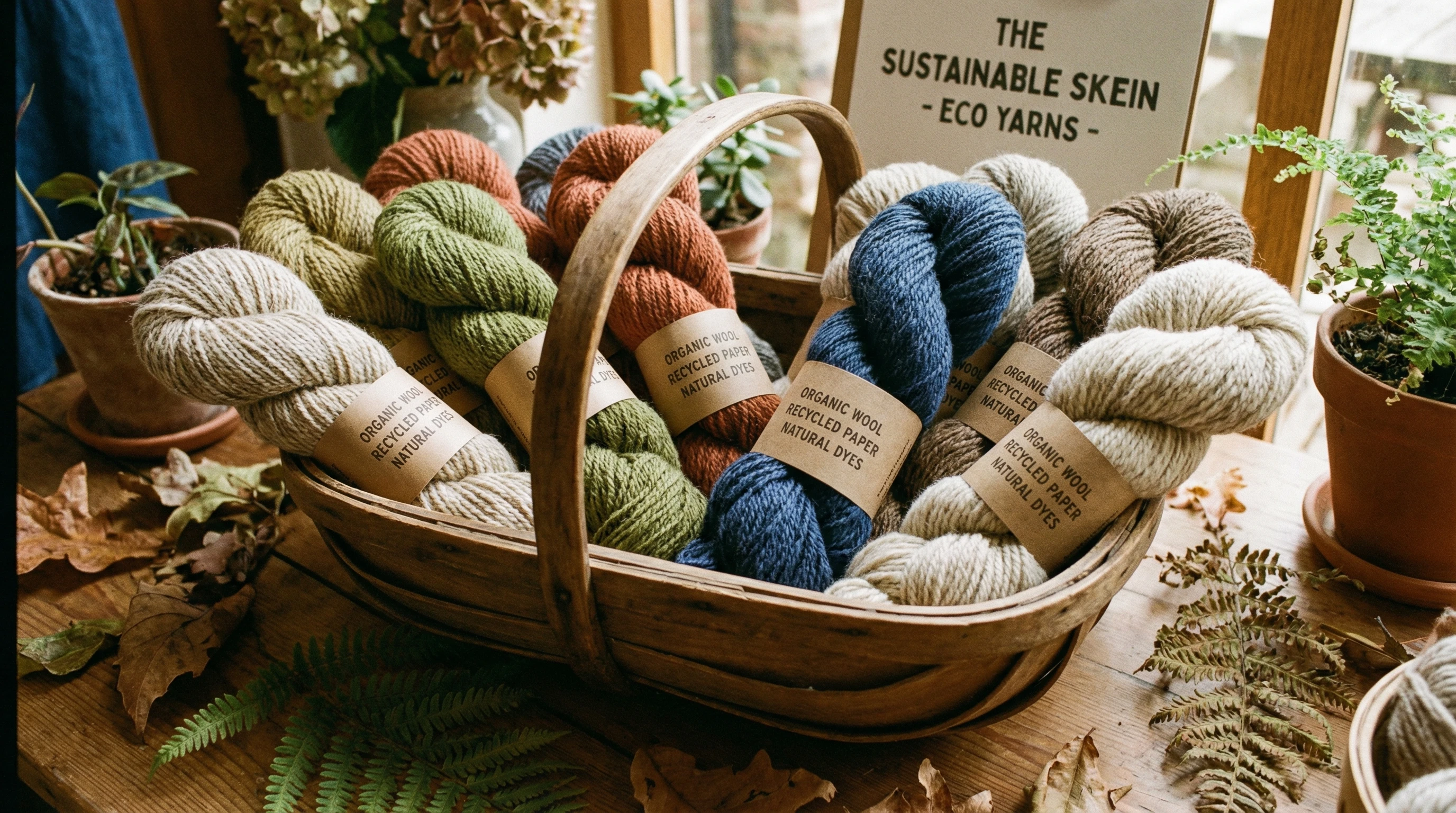
Sustainable yarn is all about minimizing environmental impact. This usually means the fibers come from renewable or recycled sources, the manufacturing process is gentle on the environment, and fair labor practices are part of the picture. Common sustainable yarns include organic cotton, linen, Tencel, bamboo, and recycled fibers such as upcycled cashmere and polyester made from water bottles. Animal fibers like wool can also count as sustainable if they come from farms that use good animal welfare practices and eco-friendly land management.
The packaging matters, too. I watch for yarns wound with paper labels or no packaging at all, and companies that skip synthetic dyes get extra points in my book. Certifications such as GOTS (Global Organic Textile Standard) or OEKO-TEX are strong indicators that the yarn is truly eco-focused rather than just clever marketing. You don’t need to buy the most expensive indiedyed skeins to make eco-conscious choices; there are options for nearly every budget.
How to Make Eco-Friendly Yarn
Making your own eco-friendly yarn can be a super rewarding hands-on project, especially if you love DIY and want more control over your materials. The simplest way is to upcycle materials you already have around the house. Old t-shirts, sheets, or linens can be cut into strips and twisted or crocheted into “t-shirt yarn” that’s great for chunky projects like baskets or rugs.
For those who want to try traditional spinning, wool from local farms is a solid choice. Look for farms practicing rotational grazing and gentle shearing. Plant fibers like cotton or flax (linen) can be processed and spun at home, but they’re a bit more involved. For dye, natural ingredients such as onion skins, avocado pits, or marigold petals produce rich, earthy colors, so you don’t need any chemicals or additional waste. Yarn-making takes some learning, but it’s a really personal and sustainable option that can save money if you use things you already have. Plus, you can experiment by mixing together fabrics from old clothing to create unique textures and tones for your projects.
Budget Strategies for Sustainable Yarn Shopping
- Shop Sales & Clearance: Sustainable yarns end up on sale racks just like any other yarn. I keep an eye on end-of-season deals at big retailers and the websites of eco-friendly yarn brands. Signing up for company newsletters sometimes gets you early access or coupon codes.
- Go for Blends Instead of Pure Luxury Fibers: Blends that mix a bit of organic cotton or bamboo with recycled synthetic yarns are usually less costly but still much more eco-friendly than the standard all-synthetic brands.
- Buy Less but Use It All: Buying only what you need or even buying yarn with a specific project in mind means less waste and less spending. I always stash my leftovers and save them for scrappy projects or colorwork.
- Try Thrift Stores & Destash Sales: Secondhand options are my secret weapon. Yarn from estate sales, thrift shops, or online destash groups not only saves money but also keeps unused supplies out of the landfill.
- Test Yarn by Project Size: If you’re new to a pricey sustainable yarn, try it out on a small accessory (like a washcloth or hat) before springing for a sweater’s worth.
- Choose Undyed or NaturalColored Yarns: Dyed yarns often come at a premium and have a higher environmental impact, so sticking with natural shades cuts costs and has an ecological upside.
Being resourceful pays off, literally and environmentally. Sometimes shopping local makes sense; small co-ops often offer locally sourced, budget-friendly yarns with lower shipping and packaging costs. And don’t underestimate the value of online marketplaces—many sellers offer grab bags or discounted lots, so it pays to check around.
How to Be Sustainable on a Budget
Living sustainably doesn’t mean spending more money, even if it sometimes seems that way from the price tag on organic products. The biggest wins are usually about using less and making what you have last longer. For yarn shopping, these strategies have worked for me:
- Swap With Friends: Organizing a yarn swap is a fun way to score “new-to-you” skeins for no money. Everyone clears out their stash and tries something different. It’s like shopping, but free.
- Repair and Upcycle: Instead of tossing out a worn-out wool sweater, unravel it and reuse the yarn. There are lots of great tutorials online for unraveling thrifted sweaters. The result is usually several balls of quality yarn for just a few bucks.
- Support Small Producers: Buying from indie dyers or small local farms may sound pricier, but buying directly from the source often means better deals, especially for seconds, mill ends, or oneoff dye lots. Plus, you know your money’s going to someone who really cares about sustainable production.
Focusing on mindful consumption is almost always better for the planet and for your wallet. Making small changes, such as washing projects in cold water or mending worn spots, can add extra years to your handmade pieces. Keeping an eye out for local fiber festivals or maker meetups is another smart way to connect with like-minded crafters and learn about affordable, sustainable sources.
Who Has a Better Yarn Selection, Michaels or Hobby Lobby?
Both Michaels and Hobby Lobby carry some sustainable yarn options, but their selection and approach differ slightly. Michaels usually offers a slightly wider range of brands, including those made with recycled fibers and certified organic cotton. Look for Loops & Threads Eco Cozy and Cotton Colors, or Lion Brand’s recycled lines. They tend to rotate in new eco-friendly yarns throughout the year, especially online.
Hobby Lobby often focuses more on its house brands (such as Yarn Bee), and its eco-yarn selection may be somewhat limited. They occasionally carry a few sustainable options, but it’s worth reading labels since “natural” doesn’t always mean low-impact. I find Michaels’ online catalog makes it easier to find certified or recycled blends, while Hobby Lobby may offer better in-store sales. If variety and ecocertifications are key, Michaels usually edges out Hobby Lobby. Pricing at both stores is pretty similar, and both have regular coupons you can stack with sale prices.
Main Differences: 100% Cotton Yarn vs. 100% Mercerized Cotton Yarn
If you’ve stood in the yarn aisle wondering how 100% cotton and 100% mercerized cotton differ, you’re not alone. I’ve knit with both and here’s what I noticed:
- 100% Cotton Yarn: This is pure, untreated cotton. It’s super soft, slightly matte in finish, and gets softer with every wash. It tends to be absorbent and is a good fit for washcloths, baby blankets, and anything that’ll soak up water.
- 100% Mercerized Cotton Yarn: This cotton is treated with a special process (called mercerization) that makes it shinier and smoother. The treatment helps the yarn hold its color better and resist shrinking. It has a tighter spin, which gives it a polished look and a bit more strength. Mercerized cotton is a favorite for lacy or dressier projects where stitch definition matters.
Some sustainable yarn companies now offer mercerized cotton in organic versions, but it’s always a good idea to check labels for certifications and process details. If you care about how your finished project will drape or shine, consider swatching both types before starting.
Common Challenges: Sustainable Yarn Shopping on a Budget
- Limited Local Options: Small towns might not have a big range of sustainable yarns in stores, which can be discouraging. I usually look online, or ask at my local shop if they can special order or suggest something similar that’s instock.
- Greenwashing: Not every yarn labeled “natural” or “eco” is truly sustainable. Some companies rely on buzzwords. Looking for third-party certifications or reading about the company’s practices helps cut through the noise.
- Sticker Shock: Some eco-friendly yarns are expensive. I prioritize my budget by using pricier yarn for small projects (like a hat) instead of buying quantities for sweaters, or by mixing it with more affordable natural blends.
- Matching Yarns With the Right Projects: Not every sustainable yarn works for every pattern. Some projects require yarn that’s sturdy or machine-washable. I read the project notes from other crafters before deciding which eco option to choose.
To get a feel for a brand’s reputation, check out online forums and read reviews. Many crafters share budget-friendly tips and project photos that can point you toward reliable, affordable options.
Extra Resources: Where to Find Affordable Sustainable Yarn
- Shop recycled yarn brands like Sirdar Hayfield Recycled and Lion Brand Re-Spun.
- Check out indie brands on Etsy; many offer mill ends, one-offs, or upcycled fiber kits.
- Join social media groups for yarn swaps or destash sales (Ravelry has some great threads on this).
- Look for coupons at Michaels, Hobby Lobby, and Joann, even for ecobranded yarns. You’ll be surprised by the deals.
Don’t forget to explore local sheep or alpaca farms, especially during spring and fall fiber fairs. Many farmers are happy to answer questions and share samples. Farmers’ markets can also be a surprising source for naturally dyed, small-batch yarn, sometimes at lower prices than large retail stores.
Frequently Asked Questions
How can I tell if a yarn is truly sustainable?
Look for clear labeling of fiber content, country of origin, and any certifications such as GOTS or Fair Trade. Research the brand’s website for more info about sourcing and manufacturing.
Is upcycled yarn as good as new yarn?
Upcycled yarn from thrift store sweaters or textile waste is often just as good, sometimes better, since it’s already been softened by wear. Just clean and prep it well, and check for knots or unevenness before starting your project.
Will sustainable yarns work for all my go-to patterns?
Most patterns work with naturalfiber or recycled yarns, but gauge can vary, especially with blends. It’s smart to make a gauge swatch before casting on any big project, no matter what yarn you pick.
Final Thoughts
Getting into budget-friendly sustainable yarn shoppingeco is all about finding small ways to make better choices. Whether that means shopping a clearance rack, unraveling old sweaters, or supporting brands with genuinely good practices, every yarn ball counts. You don’t have to be perfect to make a difference. With a little creativity, resourcefulness, and research, it’s totally possible to build a sustainable, affordable yarn stash you’ll feel great about using and showing off.