
Sustainable crochet fashion is quietly becoming a movement everyone wants to try. The focus has really shifted; people are thinking about how their clothes are made, their environmental impact, and the story behind each piece. There’s this new wave coming for 2026 that spotlights reused yarns, mindful production, and designs that last beyond one season. I’m really excited to share what makes sustainable crochet fashion so interesting right now and what you’re likely to see everywhere soon.
Why Sustainable Crochet Fashion Matters for 2026
Interest in sustainable fashion keeps growing. More makers and brands are choosing eco-friendly practices and materials for good reason. Crochet fashion fits right in because it’s naturally slow and intentional, especially compared to fast fashion. When you pick up a crocheted item, you’re often seeing hours of handwork, and most pieces are basically one of a kind. It’s the perfect match for anyone who wants standout style that’s also earth-friendly.
On top of that, people are starting to care about what goes into their clothes and how those choices affect the climate and communities. By 2026, I see a future where crochet isn’t just something grandma did. It’s a legit fashion statement with some really smart thinking behind it, blending tradition and innovation with eco-friendly values.
Big Sustainable Crochet Trends I’m Seeing for 2026
Designers, home crafters, and indie brands are all on the lookout for fresh ways to keep crochet fun but low-impact. I’ve spotted some strong trends that are picking up speed, and I think they’re worth checking out if you’re interested in updating your wardrobe or trying new projects. Let’s jump into a few of the most eye-catching ones.
1. Recycled and Upcycled Yarn
Yarn made from recycled fibers is in high demand right now. Brands and even small batch dyers use everything from plastic bottle yarn to old garment cuttings. This isn’t just about saving materials from the landfill; it also creates some super cool textures and funky color mixes you won’t find anywhere else. I love working with recycled yarn for small accessories, and it’s making its way into chunky sweaters, market bags, and even shoes for 2026 fashion lookbooks.
2. Plant-Based and Biofriendly Fibers
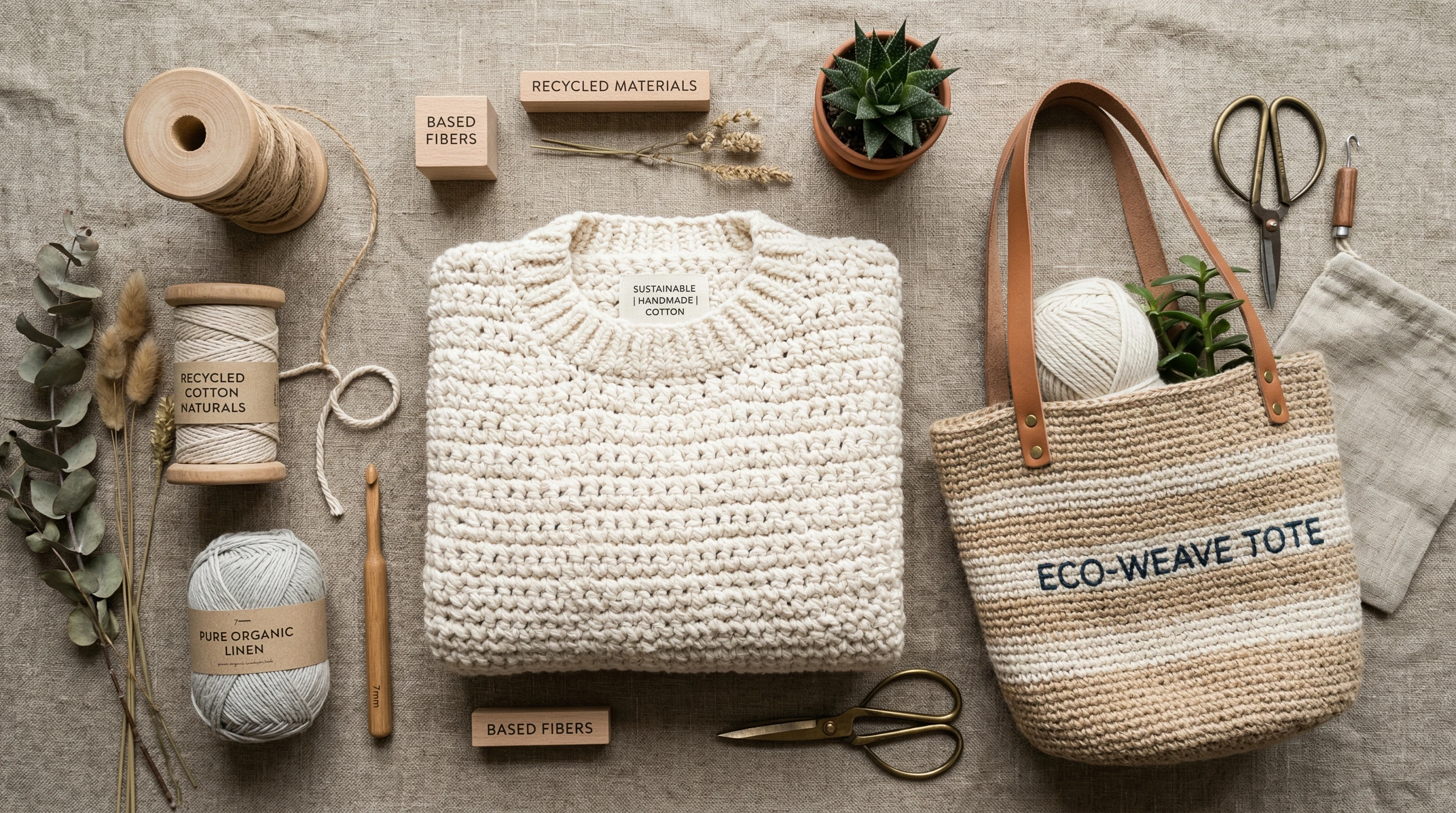
Cotton, linen, bamboo, and hemp yarns are everywhere in crochet fashion. Even mushroom-based yarns and seaweed-based fibers are popping up on eco-conscious fashion lists. These materials break down a lot faster than synthetics once tossed away, and producing them uses less water and fewer chemicals. They’re getting softer, more colorful, and definitely street-style ready for 2026 collections as designers game plan eco-friendly outfits.
3. Clothes Built to Last (and Be Remade)
The slow fashion mindset is changing how crochet is designed. Instead of mass-producing loads of the same thing, people are designing fewer, higher-quality pieces that hold up over time. I’m also seeing patterns for clothes that let you easily take them apart and crochet something new later if your style changes. It’s kind of wild how one sweater could turn into a bag or even a hat a year down the road.
4. Modular Crochet and Mix and Match Pieces
Modular crochet is all about making parts that work together in lots of combinations. Think sleeves that detach, vests that snap into larger jackets, and patchwork bags you can swap panels in and out of. This gives you way more looks with fewer materials, which is great for anyone wanting to keep things fresh while staying low-waste. Expect even more of this in the coming years, especially as designers team up with tech folks for funky fastenings and add-ons.
Getting Started With Sustainable Crochet Fashion
Anyone can get involved in sustainable crochet, whether you’re new to crafting or just shopping for your closet. Here’s what I recommend for making crochet pieces that bring style and kindness to the planet.
- Sourcing Mindfully: Look for yarn labeled as recycled, plant-based, or organic. There are new blends out there that are beautiful and eco-friendly.
- DIY and Customization: Crocheting your own accessories isn’t just fun. It also reduces waste and lets you create things that truly fit your style, enabling endless creativity.
- Repair and Upcycle: When a piece wears out, or you get bored, use simple repair skills or upcycle parts into new garments. There are apps and forums for swapping ideas on turning one item into something completely different, giving new life to old favorites.
- Support Sustainable Brands: Keep an eye out for indie labels or larger brands that talk openly about their production process and what goes into their items, showing transparency and care.
How Sustainable Crochet Differs From Fast Fashion
Unlike chain stores that make thousands of the same thing, sustainable crochet puts focus on craftsmanship. Each item is usually unique, not just in look but in its story and the materials behind it. Many crafters even publish info about their yarn sources or environmental footprint, which can be pretty handy if you’re shopping with a conscience. I appreciate being able to trace my clothes’ origins and knowing I’m supporting a process that values people and the planet alike.
Style-wise, the vibe is more about natural tones, fun color blocking, or playful shapes. Think oversized granny square vests, patchwork sweaters, and crossbody bags made from bright leftover yarn scraps. It’s less about chasing fads and more about showing off creativity and individuality with every stitch.
Practical Tips for Embracing Crochet Sustainability
- Be Picky With Fiber: Check labels and online shop descriptions to make sure your yarn comes from ethical sources. Plant fibers and recycled synthetics score high for being earth-friendly.
- Care for Your Pieces: Hand-wash crocheted clothes, air-dry when possible, and store them away from sunlight to help them last longer and look great.
- Start Small if You’re New: Projects like headbands, belts, or drink holders are great to practice before taking on bigger garments—and they use up leftover yarn scraps.
- Get Repairs Done: Minor fixes keep your clothes out of the trash. Learn basic darning or find local repair services if stitching isn’t your thing.
- Share Patterns and Ideas: Online crochet communities and sustainable fashion forums offer space to swap ideas for upcycling or repairing, so you can get inspiration straight from other fans of this trend.
Challenges of Sustainable Crochet Fashion in 2026
There are a few hurdles worth knowing about. Eco yarns are sometimes pricier than conventional ones, and finding them can be tricky outside bigger cities. Plus, handmaking takes time and patience to make things just right. I try to see those as positives; slowness leads to fewer throwaway items, and higher costs help support the people making your clothes. Community partnerships and online networks are growing, so resources just keep getting better and more accessible as people team up and share opportunities.
How to Tackle These Issues
- Look Out for Yarn Swaps: Community swaps help you track down unique, leftover, or secondhand yarn without breaking the bank.
- Buy in Small Batches: Start with accessories or small home goods to keep it budget-friendly and stress-free.
- Support Crowdfunding Projects: Many eco-focused yarn brands and makers crowdfund, which helps them grow and offer more choices to your area and beyond.
Frequently Asked Questions About Sustainable Crochet Fashion Trends
Question: Isn’t crochet always sustainable because it’s handmade?
Answer: Handmade definitely helps reduce factory waste, but some yarns still use polluting dyes or unsustainable fibers. Keeping an eye out for earth-friendly materials is what really sets sustainable crochet apart.
Question: How can I make my crochet projects more eco-friendly?
Answer: Choose recycled, organic, or natural plant-based yarns, reuse leftover scraps, and make items you know you’ll wear a lot. Caring properly for finished pieces also helps reduce waste and keeps them looking good longer.
Question: Are sustainable crochet clothes durable?
Answer: Most ecofibers like hemp or quality cotton last a long time when looked after properly. Modular or “remakeable” designs also help pieces stay useful even as your fashions change over time.
What’s Next for Sustainable Crochet in 2026?
Sustainable crochet fashion seems to be the sweet spot between creativity and responsibility. With makers and shoppers getting more interested in low-impact materials and designs built to last, I expect big things from independent brands, eco-minded designers, and the DIY community. Every year, new yarns and clever patterns make it easier to find or make clothes that feel personal and really matter. Whether you’re all about making your own or scouting for that eye-catching statement piece, sustainable crochet is worth getting into for 2026 and beyond.