
Trying out filet crochet is both fun and satisfying, especially if you like geometric designs and airy patterns. This technique uses only a handful of stitches but can create everything from simple grids to intricate images. If you’re totally new to filet crochet, or just want a rundown of the basics, I’m walking through the key tips and questions that pop up most for beginners.
Getting Started with Filet Crochet: What to Know
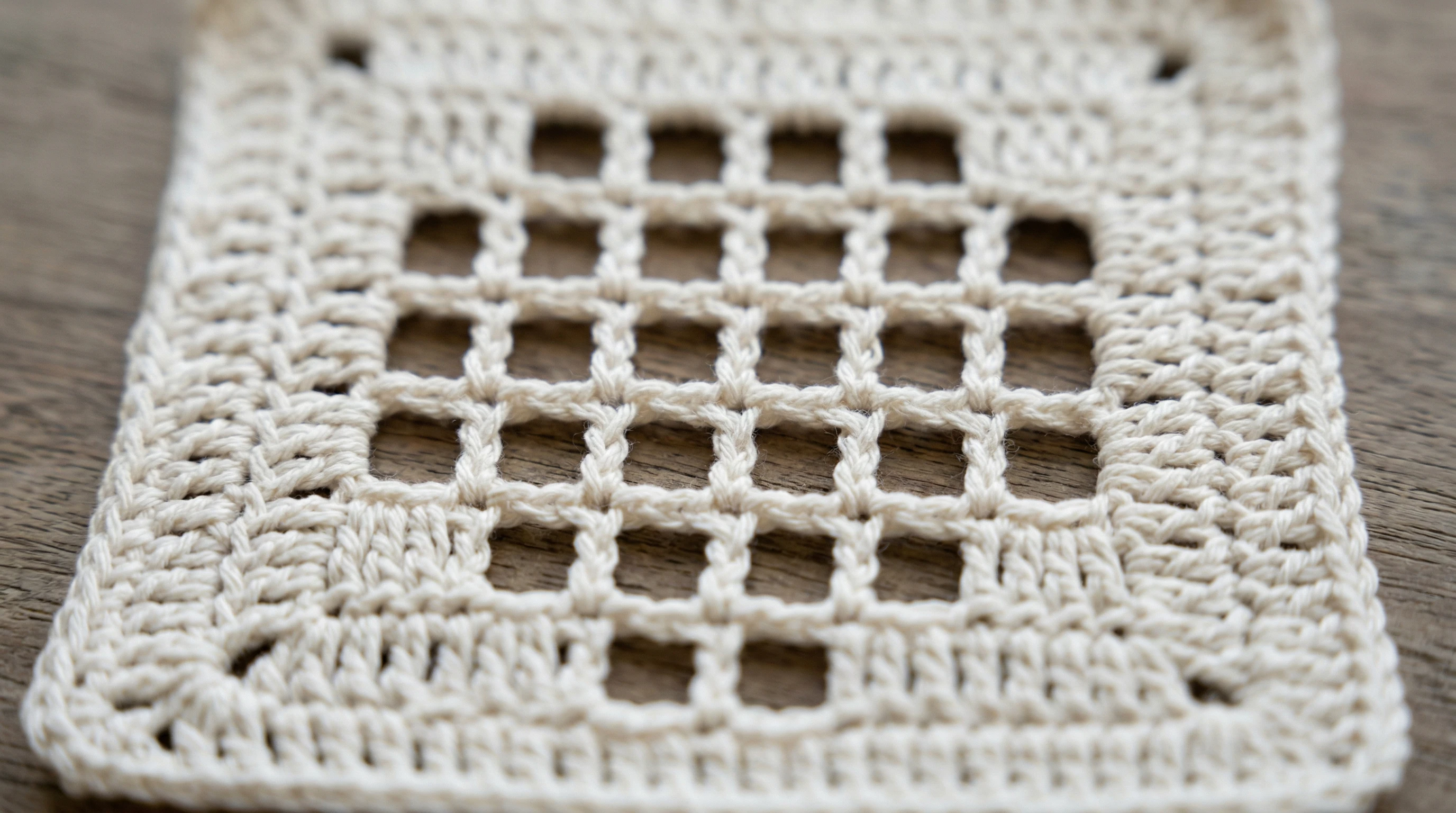
Filet crochet lets you create pictures and patterns with only double crochet stitches and chains. Unlike more textured crochet styles, filet’s charm lies in its lacy, gridlike look. It’s usually worked in rows, and each pattern is made up of filled and open squares that form the design.
I find it’s pretty approachable since you only need to know a couple of stitches (mainly double crochet and chain). Out of all the crochet techniques, I think filet is one of the most beginner-friendly ways to try out projects like decorative table runners, wall hangings, and lightweight shawls.
Filet crochet’s popularity goes way back, and you’ll stumble upon vintage patterns from the early 1900s. Today, you still see lots of designers making modern takes on classic grids, so there’s plenty of inspiration out there. If you poke around, it’s easy to track down fresh ideas and update your approach to suit your style. You might even spot current fashion or decor trends using filet crochet accents, showing how this technique stays both relevant and eye-catching.
Filet Crochet Basics for Beginners
Learning the basics helps everything go more smoothly from your very first project. Here’s what helps me most when starting with filet crochet:
- Pattern Reading: Filet crochet patterns are usually charted as grids, where each square equals a block on your work. Filled squares mean blocks of solid stitches; empty ones mean more open spaces.
- Stitch Simplicity: You’ll mostly use double crochet (dc) stitches and chains (ch). That’s it! Sometimes, a slip stitch or single crochet for edging, but the bulk is just those two basics.
- Materials: Filet crochet works with anything from fine cotton thread and small hooks to thicker yarn. For practice, size 3 or 5 cotton thread and a 2.5 mm to 3.5 mm hook are pretty comfortable, but anytime you’re learning, pick a smooth, light colored yarn so the stitches are easy to see.
Comfort with reading charts will save you a lot of guesswork later, so spend some time getting familiar with legend symbols and how the grids map to real stitches. If you ever feel lost, ask for help from online communities or crochet groups for quick troubleshooting.
Top Tips for Cleaner, Neater Filet Crochet
Neatness makes a big difference in filet projects, especially when you want your pattern to stand out. Here’s what I recommend to keep things looking crisp:
- Keep Tension Even: Crocheting too loose or too tight can throw off the whole look. Try to keep your stitches and chains even, especially when you’re making those open mesh spaces.
- Block Your Work: Blocking really helps level out wobbly stitches. Once you finish your piece, wet it gently, pin it to shape, and let it dry flat. It makes the grid squares pop and sharpens up details.
- Count Regularly: Filet is pretty unforgiving if you skip a block or mess up a row; so make it a habit to count squares and stitches as you go. A stitch marker can save a lot of time if you need to rip back at any point.
- Use the Same Hook Throughout: Switching hooks, even by accident, can create uneven rows. Stick with one hook for an entire piece unless your pattern specifically says to change.
As you get familiar with the basics, pay attention to how your hands feel while crocheting. Taking breaks and stretching helps you avoid strain, especially during repetitive patterns.
How to Calculate the Starting Chain for Filet Crochet
The biggest question that trips people up is how to start with the right number of chains so your pattern lines up. Here’s how I figure it out every time:
In filet crochet, each square (open or filled) is made up of three stitches: two for the square’s space and one to separate it. For a classic mesh, it usually works out like this:
- The starting chain = (number of pattern blocks x 3) + 1 chain for turning + any edge stitches your pattern wants (often 3 extra for a double crochet on each side).
For example, if your chart is 20 blocks wide, you’d chain (20 x 3) = 60, then add 1 (61), then add any side edges. Some patterns may have you add 2 or 3 more chains at the end for turning, so always check your pattern notes. This formula covers most beginner designs.
Getting the starting chain right is super important, so your finished piece matches the chart and doesn’t end up missing a stitch at one end. If you’re unsure after counting, make a small swatch first to see how your chain and blocks line up before committing to a full pattern.
Is Filet Crochet Hard?
Out of all the crochet techniques I’ve tried, filet might look tricky, but it’s honestly easier than you’d think. The only challenge at first is reading the chart and keeping track of where you are, especially with larger designs. But since it’s all built from simple stitches (mainly double crochets and chains), you don’t need a ton of experience before giving it a go.
I’ve found that the hardest part is just getting used to referencing your chart after every row. Mark your place with washi tape or a ruler if you need. After a few rows, your eye will naturally recognize the pattern better, and you’ll get faster at picking up where you left off. You can also use row counters or apps on your phone to help you make out your progress, so you don’t lose track if you get interrupted.
How Many Stitches for Filet Crochet?
The number of stitches per row in filet crochet depends on how many squares wide your pattern is. For each square, you use three stitches: one double crochet, two chains (for open squares), or one double crochet in each space (for filled squares). Some patterns will have you add extra edge stitches to frame your grid.
For most beginner pieces, you’ll see these instructions:
- Open square: 1 double crochet, 2 chains, skip two stitches, then another double crochet in the next stitch.
- Filled square: 1 double crochet in each of the next three stitches (or one in the double crochet, and one in each chain if you’re working into a base of open squares).
Once you have your starting chain figured out, it’s just a matter of repeating the right number of squares (open or filled) as you follow the chart. Double-checking your math at the beginning saves time, so don’t be afraid to pause and recount before starting your first row. If your numbers don’t match the chart, adjust your starting chain as needed.
What Is the Best Stitch for Filet Crochet?
Almost every filet crochet pattern you’ll see uses the double crochet stitch. This is true in both US and UK terms, though in the UK it’s called a “treble.” The double crochet gives your piece enough height to create open, airy spaces between grid lines, without being too tall or floppy.
Sometimes, you’ll spot a filet mesh done with half double crochets for a tighter look or taller stitches for larger meshes, but double crochet (US) is the go-to and the best place to start. It’s easy, quick, and makes the patterns clear to see. Later on, you can mix things up and try different stitches for unique textures, but mastering double crochet first gives you a solid foundation.
Extra Tips to Improve Your Filet Crochet
- Choose Contrasting Yarn: It’s easier to see the squares and stitches, especially when you’re learning, if you use light or medium solid yarn colors instead of dark or highly variegated yarn.
- Practice Small Swatches: Before you start a big project like a curtain panel or shawl, practice with a tiny sample to test your gauge and make sure you understand the pattern. It saves time and yarn.
- Use Stitch Markers for Edges: Putting a marker at the edge of the double crochet helps avoid accidental increases or decreases at the row’s sides.
- Check Your Chart Regularly: I always keep a highlighter, sticky notes, or an app at hand so I don’t lose my place in the pattern.
As you get more comfortable, you’ll find it easier to keep your rows neat, your blocks perfectly lined up, and your projects looking sharp. Experimenting with new yarns and patterns helps you step up your skills while keeping things fun.
Practical Applications for Filet Crochet
Filet crochet isn’t just for doilies or tablecloths; it really shines in all sorts of projects. Here are a few cool ways you can use your new filet skills:
- Wall Hangings: Make decorative pieces with letters, shapes, or geometric patterns to hang up at home or give as gifts.
- Shawls and Scarves: Light and breezy accessories that show off openwork designs.
- Bookmarks and Placemats: Sturdy enough for daily use but pretty and personal; with practice, you can even customize with initials or simple images. Filet can easily be adapted in home decor, such as as lampshade covers or plant pot sleeves, adding creative touches to everyday spaces.
Frequently Asked Questions About Filet Crochet
Question: How do I make my filet crochet look neater?
Answer: Focus on even tension, block your finished work to square up the mesh, and check row and block counts as you go. Using a yarn that shows stitches clearly can also help catch mistakes early.
Question: How do you calculate starting chain for filet crochet?
Answer: Multiply the number of chart blocks by 3, add 1 turning chain, and include any edge stitches; usually detailed at the beginning of your pattern notes. Double check for chart-specific instructions!
Question: Is filet crochet hard?
Answer: Filet crochet feels approachable to most beginners because it uses simple stitches. The main challenge is following the chart, but with a bit of practice, it becomes second nature.
Question: How many stitches are needed for filet crochet projects?
Answer: You’ll usually work with multiples of three stitches per mesh block, with extras for the edges. Picking the right starting chain based on your chart is really important.
Question: What’s the best stitch for filet crochet?
Answer: The double crochet (US) is the go-to for most filet crochet projects, since it creates an ideal height for mesh and solid blocks.
Tips to Keep in Mind as You Progress
Start simple and don’t be afraid to rip back and try again if something feels off. As you finish more pieces, your ability to read charts and keep your stitches even will really improve. Filet crochet is relaxing and artistic, so enjoy experimenting with different patterns and yarns as you go.
Trying new designs will build your confidence and skill set quickly while making things you’ll actually want to use or show off. Happy crocheting!