
Crocheting is super relaxing, but sometimes I really want to stretch my yarn further without losing the style or warmth of my projects. If you’ve ever found yourself running low on yarn or just wanting to save a bit on your next blanket or wearable, the stitch you pick plays a big part in how far your skein will go. Here, I’m sharing everything I’ve learned about the best crochet stitches that use less yarn, backed by extensive experimentation and research. Whether you’re new to crochet or a long-time enthusiast, understanding these stitches will help you get more out of each skein and boost your creativity.
Why Stitch Choice Matters When Saving Yarn
Even though it might look like all crochet stitches use yarn at about the same rate, there’s a pretty clear difference depending on which ones you use. Tall, dense, or textured stitches usually need a lot more yarn than their lighter, openwork buddies. Picking a stitch that uses less yarn helps you:
- Complete larger projects with less yardage. Especially helpful if you’ve only got a few skeins.
- Keep your finished item lightweight and airy. Perfect for shawls, summer tops, and some blankets.
- Save money and avoid unexpected yarn shortages. Malabrigo isn’t cheap, right?
Understanding which stitches are “yarn eaters” and which aren’t just makes planning way easier and takes the stress out of big projects. A smart stitch choice can mean finishing a large blanket with fewer skeins, or adding a couple of extra scarves to your holiday gift pile using only what you have at home. Plus, it’s fun to experiment with new textures and let your style shine while being thrifty with your stash.
Stitches That Use the Least Yarn
The question I see all the time: What crochet stitch uses the least amount of yarn? After lots of swatching and chatting with other crocheters, I keep coming back to these three:
- Chain Stitch (ch): Technically not a full stitch on its own, but foundation chains are the lightest and least yarn-consuming part of any crochet pattern. Chain-heavy designs (like mesh patterns) are fantastic for saving yarn.
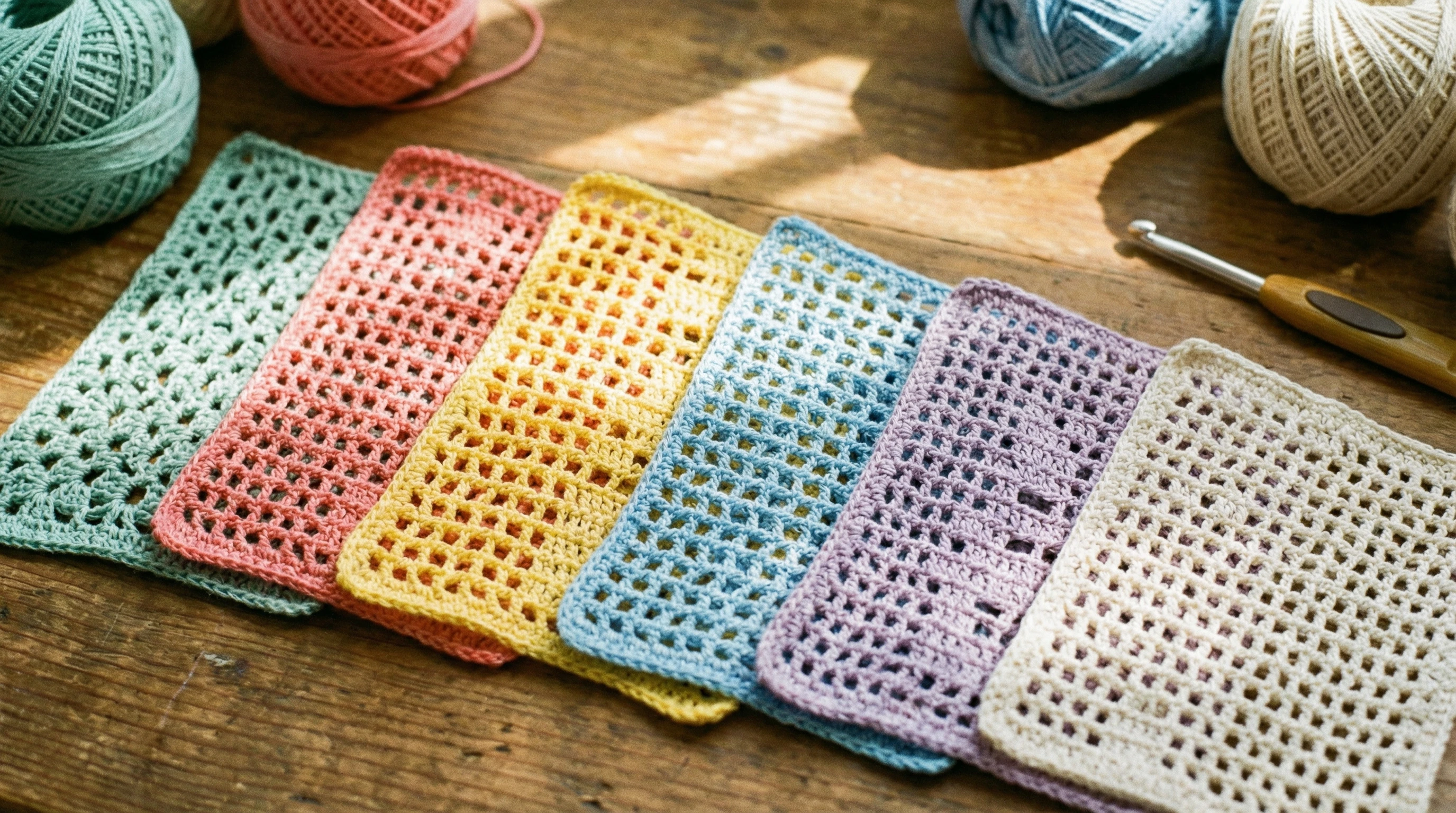
- Single Crochet Mesh: This is a classic mesh made by alternating single crochets and chains (like SC, CH1, skip one, then SC). It’s open, uses little yarn, and drapes beautifully for scarves or lightweight blankets.
- Double Crochet Mesh: Even taller than single crochet mesh, this pattern often goes DC, CH1, skip one. It’s super fast to work up and creates a lacy, light fabric. It’s probably the most efficient way to save yarn after regular chains.
Of all these, the double crochet mesh is likely the best stitch when saving yarn is your main goal. While chains are rarely used alone, incorporating lots of chains into your project can help your yarn stretch much further. Try mixing chain mesh with other openwork stitches for unique patterns and personalized flair.
Crochet Stitches That Are Not Yarn Eaters
If you’re looking for stitches that won’t drain your yarn stash quickly, there are some staple options that I keep recommending:
- Single Crochet (sc): Tightly packed, but because it uses less height in each stitch, it actually works up denser fabrics with moderate yarn use. When spaced out in a mesh, it goes even further!
- Half Double Crochet (hdc): Sits between single and double crochet. Still pretty efficient if you don’t make the fabric too dense. I prefer cardigans when I want something light.
- VStitch (dc, ch1, dc in same stitch): The chains create negative space so you need less yarn for a beautiful “lace” effect, without losing the structure.
- Granny Stitch (clusters of 3 double crochets with chains in between): While granny squares can get large fast, the layout leaves space between clusters, making them much more yarn efficient than they seem.
All these stitches can be used for everything from simple scarves to fancy summer wraps. Their main advantage is using negative space (aka holes) to pad out rows while using less yarn. You can create visually appealing patterns without adding weight or bulk. They’re great choices for gifts or anything you want to finish without stressing over your yarn supply running out.
Crochet Stitches That Are Yarn Eaters
On the flip side, there are plenty of stitches that look great but eat up yarn super fast. If you’re running low or working with a limited supply, here are some stitches to avoid:
- Puff Stitch: This stitch gathers up loads of yarn for those little puffy textures. It looks awesome, but you’ll see your yarn ball shrinking quickly.
- Bobble Stitch: Similar to the puff stitch, this one uses multiple partial double crochets gathered in one stitch, and it’s really good at using up your yarn.
- Cable or Post Stitches (fpdc, bpdc): Any pattern with cables or lots of front/back post double crochets goes through more yarn because of the extra wrapping around the previous stitches.
- Popcorn Stitch: Just like bobbles and puffs, all those extra loops mean more yarn per inch.
- Dense Tunisian Stitches: Some Tunisian crochet (like full Tunisian knit stitch or purl) packs in so much yarn to create a knitted look, you’ll definitely use more yarn per row than basic open stitches.
All of these stitches look eye-catching in the right project, but just expect to go through skeins at lightning speed. Try using them in small accents or borders if you love the texture but need to save yarn for the main body.
How to Get the Most From Your Yarn with Smart Stitching
Choosing the right stitch is just part of the story. Here are a few ways I stretch my yarn stash, especially for large projects or when working with leftover yarn:
- Use bigger hooks than the yarn band suggests. This opens the fabric, resulting in fewer stitches per inch and less yarn overall.
- Pick patterns with intentional “holes.” Eyelets, mesh, and openwork create a light, airy fabric and are perfect for saving yarn.
- Swatch before you start. It sounds boring, but a quick swatch will show you how much yarn each stitch style actually uses, so you don’t have surprises halfway through your project.
- Consider holding off on borders. Pretty borders and edgings can take way more yarn than you’d think, so plan them carefully if you’re working with leftovers.
- Mix color blocking with open stitches. By blending different yarns in bold blocks and inserting mesh rows, you can achieve a stylish look while extending your yarn’s lifespan.
It’s also smart to use up scraps by alternating rows or sections of efficient stitches, which not only maximizes your yarn but can add extra interest to your designs. Working with a color palette rather than one continuous color lets you use every last bit of your yarn basket productively and attractively.
Best Patterns for YarnSaving Crochet Stitches
Some patterns are naturally suited for using less yarn, especially ones that rely on mesh or airy stitches. Here are some easy ideas worth checking out:
- Crochet Market Bags: These usually feature mesh stitches and are perfect for shopping bags or beach totes. They work up quickly and hold a surprising amount.
- Lacy Shawls and Wraps: Even a basic rectangular wrap in double crochet mesh or vstitch shows off beautiful yarn and feels feather light. The openwork keeps it light and wearable.
- Summer Tops: Light layers made with vstitches or granny stripes help keep you cool and stretch your yarn a bit further, making them practical for hot weather.
- Decorative Wall Hangings: Open, lacy designs don’t need a ton of yardage and still make a statement in any room. You get a boho vibe for minimal yarn cost.
- Airy Baby Blankets: By using chain mesh or vstitch, you can whip up sweet baby gifts without needing a huge skein haul.
Common Questions About Saving Yarn with Crochet Stitches
Question: What crochet stitch is best for using the least yarn?
Answer: The double crochet mesh is my top pick. It uses lots of chains and double crochets separated by skipped spaces, making it fast, light, and economical. You get big results with a small supply.
Question: Which crochet stitches are not yarn eaters?
Answer: Single crochet mesh, double crochet mesh, basic v-stitch, and regular granny stitches are all pretty efficient. These stitches use the spaces between stitches to keep things lightweight and keep you from running out of yarn so quickly.
Question: What crochet stitches are yarn eaters?
Answer: Puff stitch, bobble stitch, popcorn, post/cable stitches, and some Tunisian crochet all use way more yarn compared to openwork or mesh stitches. These are fun for accent rows, but watch your yardage carefully if you’re trying to be thrifty.
Tips for Picking the Right Yarn Efficient Stitch
Here’s how I decide what stitch to use when I’m watching my yarn supply:
- Think about the function of your project. Airy mesh stitches work well for light wraps or market bags, but you might not want them for a warm winter hat or anything that requires warmth.
- Try out a few swatches. Even just 10 rows with your intended yarn will show you how much area you get per gram and keep surprises at bay.
- Don’t forget the hook size. Sizing up by half a millimeter can save yarn and add more drape if it fits your pattern, so don’t hesitate to experiment.
- Skip super dense or textural patterns unless you really want those effects. They’re great for pillows, but not so much for stretching your supplies on apparel or big throws.
- Combine open and closed stitch styles. Sometimes, alternating rows lets you balance texture, stability, and yarn usage for a unique result.
Wrapping Up: Making the Most of Your Yarn Stash
There are loads of beautiful stitches out there, but if saving yarn is the goal, openwork and mesh stitches make a huge difference. Planning your stitch choice before starting helps avoid headaches and makes it easier to get the style you want without a last-minute yarn order. Every project is different, so don’t be afraid to experiment. If you play around with mesh, vstitch, and granny stitches, you’ll find the right balance between look, feel, and yarn saving practicality in no time. Remember, crochet is meant to be enjoyable and creative, so mix in your favorites, try new techniques, and watch your yarn stash go the distance.