
Durable shopping bags made from natural fibers bring a refreshing alternative to single-use plastics. If you’re like me and care about both durability and sustainability when you shop, switching to reusable bags made from materials like cotton, jute, or hemp makes a whole lot of sense. I’ll break down the different natural fibers you can use for shopping bags, the types of weaves that matter for durability, ecofriendly choices, and which fabrics actually work best in daily life.
Understanding Durable Natural Fiber Shopping Bags
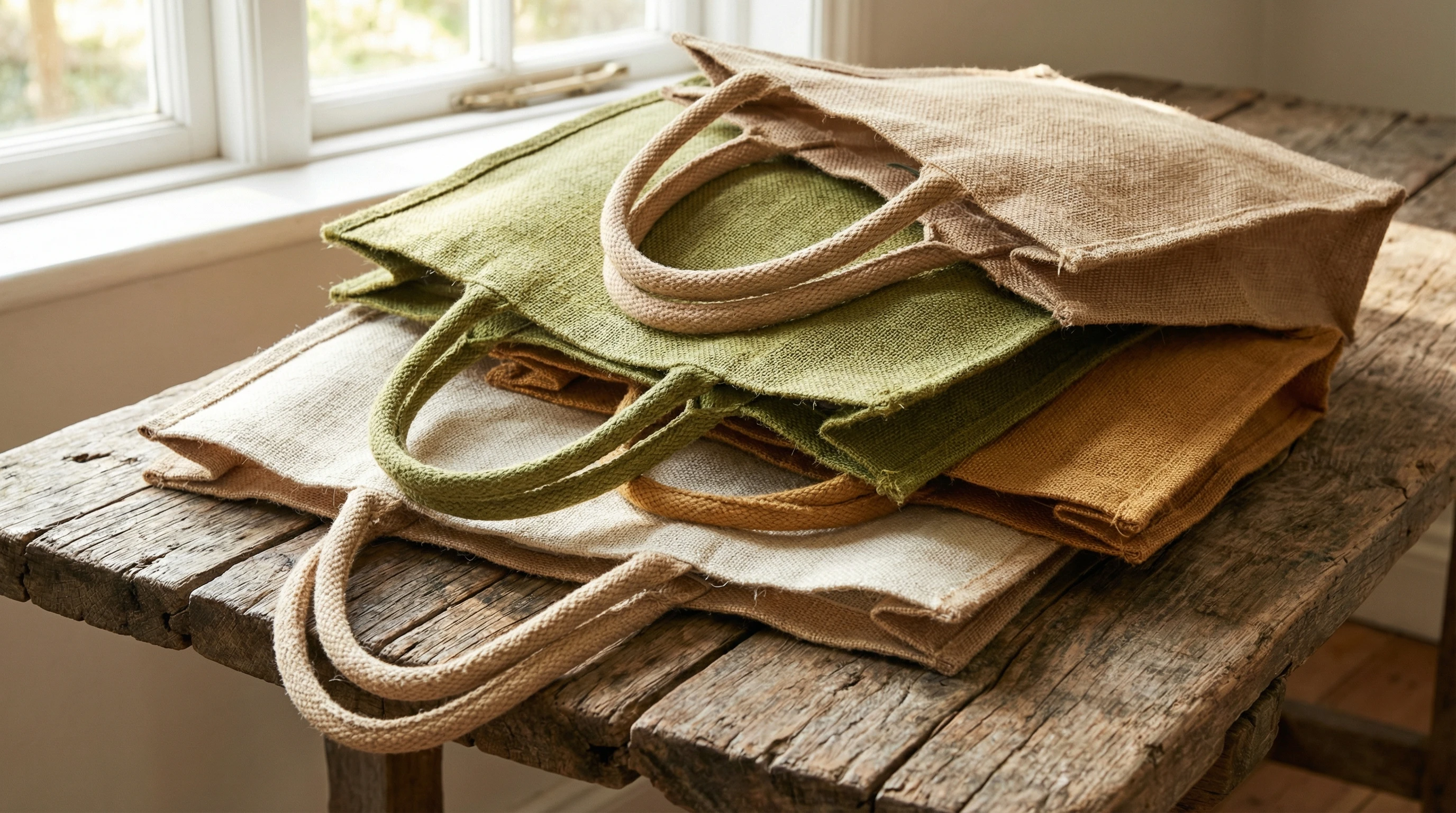
Reusable shopping bags made from natural fibers aren’t just about looks; they’re designed to last longer and withstand the regular wear and tear of grocery runs or market days. When choosing a bag, I look for sturdy fabric, strong stitching, and comfortable handles. Durability means the bag won’t tear easily, the seams hold up after a heavy load, and it can handle everything from canned goods to bottles of milk without scary stretching or ripping.
Thanks to the wide variety of natural fibers available, each bag tends to offer unique qualities. Some are lightweight and foldable, while others are thick and feel almost indestructible. Many people are drawn to these bags because they help reduce plastic waste, but they’re also practical. Over time, a well-made natural fiber bag often outlasts cheap synthetic ones if you take care of it. Plus, natural fibers usually age gracefully—they might get softer but rarely become brittle like some plastics. This means they’re a better investment for both your wallet and the planet.
What is the Best Fabric for Shopping Bags?
For practical shopping bags, the best fabric is usually cotton canvas or heavyduty jute. In my experience, a cotton canvas bag balances strength, washability, and comfortable carrying. It can take a bit of rain and cleans up easily in the washing machine, making it a pretty low-maintenance choice for everyday use. Jute is a close second; it’s super tough and has a rugged texture, but it’s not always as soft to the touch as cotton. If odor and mildew resistance matter (like with damp produce), hemp is worth checking out as well. It’s naturally antibacterial and even stronger than cotton.
So, for the best overall experience, the cotton canvas bag gets my pick, especially if you want a bag that’s washable and reliable. If heavy-duty hauling is in your future—think big grocery trips or farmers’ markets—jute or hemp bags are also a smart move. Cotton canvas is also easy to personalize with fabric paint or patches, making it eye-catching and unique.
Are Woven Shopping Bags Durable?
Woven bags are known for lasting longer than most nonwoven, lightweight bags. The weaving process locks in strength, especially with tighter knits or double-stitched designs. I find woven cotton, jute, and hemp bags all handle heavier loads nicely, making them great choices if you tend to fill your bag to the brim. The weave type can also impact how well the bag withstands rough handling; a tighter weave usually stands up better to daily use and resists snags or tears.
If you want a bag that won’t fall apart after a few months, go for woven bags every time. They’re less likely to fray, and the handles tend to stay attached even with regular use. When shopping, check the fabric density (often listed in GSM—grams per square meter); a higher number usually means a thicker, sturdier bag. Over time, woven bags can also develop a pleasant, lived-in look that enhances their charm without sacrificing functionality.
What is the Most EcoFriendly Bag Material?
Among natural options, hemp is often called the most eco-friendly bag material. In my view, hemp stands out because it grows fast, needs hardly any pesticides, and actually improves soil where it’s farmed. Plus, it uses less water than cotton and produces a tough fiber that lasts for years. You’ll also find plenty of organic cotton bags, which are better for the environment than conventional cotton if grown without the heavy use of chemicals and fertilizers.
Other good eco-friendly options include jute and bamboo. Jute is super low-maintenance to grow and naturally biodegradable, so it breaks down quickly if it ever ends up in a landfill. Bamboo is renewable, but you’ll want to watch out for how it’s processed; some methods use a lot of chemicals, so not every bamboo bag is automatically eco-friendly. When in doubt, I stick with certified organic versions or look for bags labeled as made from responsibly sourced materials. Don’t forget: how you care for your bag and how long you use it matter just as much as the fiber itself when thinking about ecoimpact.
The Five Best Natural Materials for Shopping Bags
There’s a surprising range of natural fibers used for sturdy shopping bags. Here are five standouts:
- Cotton: I find cotton bags to be everywhere, and for good reason; they’re lightweight, strong, and easy to wash. Canvas versions are especially durable. Choose organic cotton for a gentler environmental impact.
- Jute: Also known as burlap, jute is very tough and handles wear and weight without a hitch. It’s especially good for bigger, heavy-duty bags.
- Hemp: Hemp is my personal favorite when strength and ecofriendliness are top priorities. It’s resistant to mold, stretches less than cotton, and lasts for ages.
- Bamboo Fiber: This is growing in popularity, mostly because bamboo can be super sustainable to grow. It has a soft feel and is surprisingly strong, but check how it’s processed before deciding it’s the best choice for you.
- Sisal: Bags made from sisal (derived from agave plants) are firm, stand up well, and don’t easily lose shape. They’re perfect for those rugged market hauls.
Each of these materials brings something a little different, so I like to have a few options for different uses; one for produce, another for heavy groceries, and maybe a smaller cotton tote for lighter trips. By having several bags in different sizes and materials, you’re always ready for any shopping adventure—big or small.
Choosing the Right Shopping Bag: My Quick Guide
Picking the right natural fiber bag for your shopping style saves you hassle in the long run. Here’s how I usually break it down:
- Decide on Size and Shape: Go big for groceries or a smaller tote for everyday errands. Shoulder straps or shorter handles; think about what feels most comfortable for you. If you bike or walk to shop, longer straps might be handy.
- Look at the Fabric: If washability is important, cotton is really handy. For hauling weight, check out jute or hemp with doublestitched seams.
- Check the Stitching: Reinforced handles and seams keep bags from busting open unexpectedly. I check for thick or extra stitching at key stress points. Some bags even come with interior pockets or bottle sleeves—nice for staying organized.
- Ask About Certifications: Labels like GOTS (Global Organic Textile Standard) or Fair Trade mean better farming and fairer labor practices, which is pretty important if you care about the bigger picture.
- Think About Care: Some fibers, like jute, don’t like getting soaked. If you want easy cleaning, cotton or bamboo is more practical. Don’t forget about storage—foldable bags make it easy to keep extras in your car or backpack.
Mix and match depending on what you buy and how much you tend to carry at once. I usually keep a few cotton totes tucked in my car and one heavyduty jute bag for those days when I’m stocking up. An extra compact bag is great for surprise stops or when you end up buying more than you planned.
How to Keep Natural Fiber Shopping Bags in Good Shape
To make your natural fiber bag last, shake out crumbs after each trip and let it air dry. That prevents weird smells and mold, especially with fibers like jute. Cotton bags can usually go in the washer; just skip the dryer to keep them from shrinking. For jute and hemp bags, I wipe them out with a damp cloth and leave them somewhere sunny to dry. If your bag gets stained, a gentle scrub with soap and water does the trick most of the time.
Every few months, check the seams and handles for any loose threads or wear and fix them before they get worse. A little care helps your bag stick around for years, keeping hundreds of plastic bags out of the trash. If your handles show wear, you can sometimes reinforce them with a simple handstitch, extending the bag’s life even more.
Common Questions About Durable Natural Fiber Bags
I get plenty of questions from friends and readers about picking and using natural fiber bags. Here are a few of the most common:
What is the best fabric for a shopping bag?
For overall strength and ease of care, I recommend cotton canvas. Jute and hemp are top picks if you need extra durability or want something extra ecofriendly.
Are woven shopping bags really stronger than nonwoven?
Yes, woven bags—especially tightweave canvas, hemp, or jute—handle much more weight and daily use than most flimsy nonwoven alternatives.
Which shopping bag material is best for the environment?
Hemp bags are tough to beat for sustainability. Organic cotton, jute, and responsibly made bamboo also work well, but hemp has that edge in both durability and environmental footprint.
What are five natural fibers used for shopping bags?
The five natural fibers I recommend most are cotton, jute, hemp, bamboo, and sisal.
How many reusable shopping bags do I need?
I find three to five bags are enough for regular weekly shopping. With a mix of sizes, you’ll always have the right one handy for any trip.
Natural Fiber Bags in Everyday Life
I’ve been using natural fiber bags for a while now, and they hold up better than most of the plastic or synthetic options I’ve tried. On a normal grocery run, I pack eggs, milk, fruit, and cans, and my cotton canvas tote never lets me down. When heading to the farmers’ market, a jute or sisal bag easily handles heavier or rougher items like potatoes or squash. Best of all, these bags always start a conversation. People ask where I got them, what they’re made from, and even why I picked one material over another. It feels good to know I’m making a better choice for the environment, and for hauling home my favorite snacks and staples. Plus, using these bags can inspire others to make greener choices too, making a small change ripple out in a big way.