

If you’re looking to reduce waste and make smarter choices for the planet, switching to eco-friendly bag alternatives is a great move. Single-use plastic bags are everywhere, but they create a real mess for the environment. Luckily, there’s a growing variety of sustainable bags that are practical, stylish, and far less damaging to the world around us. Here’s everything you need to know about choosing the right eco-friendly bag, which materials to look for, and how to pick bags that fit your lifestyle while lowering your footprint.
Types of Eco-Friendly Bag Alternatives
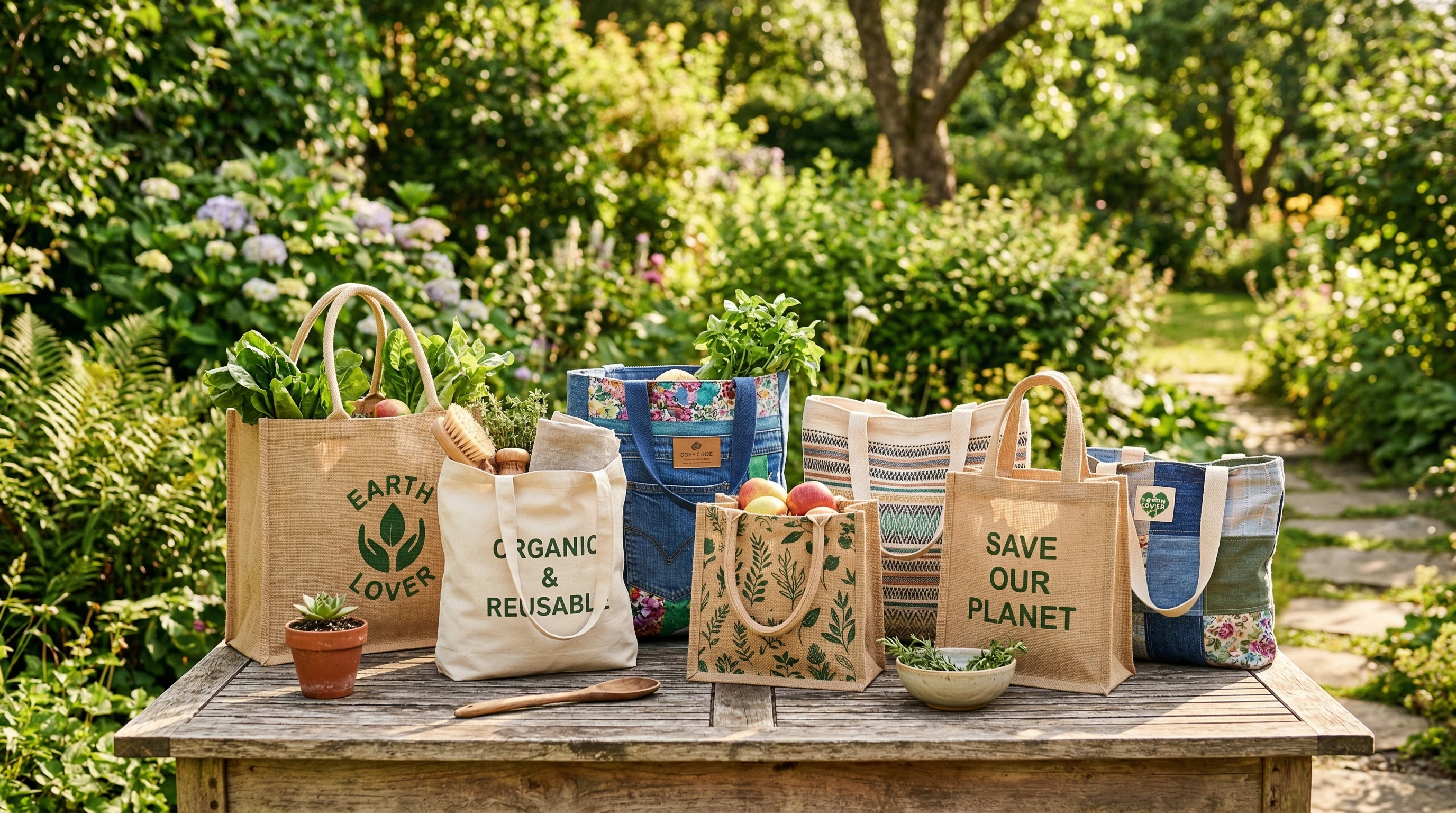
Switching from plastic bags doesn’t mean compromising on quality or convenience. Some eco-friendly bag options are actually more durable, easier to carry, and look way better than disposable plastic. Different types of bags serve different purposes, so there’s something out there for everyone.
- Reusable Cloth Bags: These are probably the most common eco alternative. Made from cotton, canvas, hemp, or even recycled materials, these bags are strong, washable, and can last for years. I use a couple of cotton totes every week at the grocery store, and they’re holding up really well, even with heavy loads.
- Biodegradable Bags: These are made from plant-based or compostable materials like corn starch or potato starch. They break down much faster than regular plastic, but you need the right composting conditions for them to degrade fully.
- Jute and Hemp Bags: Jute and hemp are natural fibers that are tough, lightweight, and need fewer resources to produce than cotton. They have a rustic look and can carry heavier items without tearing.
- Recycled Plastic Bags: Sometimes, companies make reusable bags out of recycled plastic bottles or ocean plastic. This gives a second life to something that would otherwise pollute our waterways. When you choose these, you help reduce waste directly.
- Crochet and Knitted Bags: Bags made by crocheting or knitting cotton or hemp yarn can be sturdy and totally unique. They’re great for produce shopping, and you can even make your own if you’re into crafts. This not only reduces waste but also lets you customize bags for your needs.
What is the Most Environmentally Friendly Bag?
The most environmentally friendly bag isn’t just about what it’s made from. It’s about how long you use it. Studies like the one from the United Nations Environment Programme (UNEP) show that bags with a long lifespan, made from renewable or recycled materials, and used hundreds of times are usually best for the planet. That’s why my go-to is usually a simple cotton or jute tote that I can wash and reuse for years.
It’s really important to avoid switching from one single-use product to another. Paper bags, for example, can require significant resources to produce, even if they biodegrade quickly. The trick is to stick with sturdy bags and keep reusing them for as long as possible. A bag’s true environmental value shows up when you use it not just now and then, but constantly for all sorts of errands and shopping trips.
Eco-Friendly Bag Materials Worth Considering
- Cotton: Organic cotton bags skip harmful chemicals during farming, so they’re healthier for the earth and often for the people growing them. They’re also gentle on your groceries and easy to wash. This makes them perfect for food shopping, work, or even as gym bags. If you pick organic cotton, you support more sustainable farming practices.
- Jute: Also known as burlap, jute is a super sturdy natural fiber grown mostly in India and Bangladesh. It needs fewer fertilizers and pesticides than cotton, and it composts. You’ll find this material in lots of reusable tote bags in stores and at farmers’ markets.
- Hemp: Hemp grows quickly and doesn’t need much water, making it a reliable, sustainable choice. It also gets softer with use but doesn’t lose strength. Because it’s so durable and eco-friendly, it’s become more popular for stylish everyday bags.
- Recycled PET (rPET): Made from recycled plastic bottles, rPET bags prevent extra plastic from reaching landfills. I have a recycled polyester shopping bag that’s folded in my backpack all the time. It’s thin but super strong for its weight, so it’s easy to keep on hand when I need it.
- Bamboo: Although less common, some bags use bamboo fiber. Bamboo grows super fast and regenerates naturally, so it’s one of those renewable options worth checking out. Bamboo bags can be soft, strong, and naturally resistant to bacteria.
The Best Replacement for Plastic Bags
For shopping, I find the best replacement for single-use plastic bags is a mix of reusable cloth tote bags for larger shopping trips and mesh produce bags for fruits and veggies. This combo reduces plastic waste without adding any hassle to my routine.
- Cloth Tote Bags: Strong, washable, and versatile for grocery hauls or just carrying everyday stuff. Using a couple of these for all my groceries has made a big difference over the past year.
- Mesh Produce Bags: Light and breathable, perfect for produce. They replace those flimsy plastic produce bags you see in the supermarket. By using mesh bags, I save dozens of plastic bags every month.
- Foldable Nylon Bags: Compact and easy to take anywhere, they stuff into their own pouch and fit in your pocket or glove box. When you keep a few of these in your car or backpack, you’re always prepared to shop plastic-free.
Plastic bags are tough to beat for convenience, but these alternatives are practical when you get in the habit of keeping them on hand. Toss a couple in your bag, car, or bike basket, so you’re never caught without one. Over time, reaching for your reusable bags will become second nature.
Is a Crochet Bag an Eco-Friendly Alternative?
Crochet bags can absolutely be eco-friendly, especially if you make them from natural or recycled yarns. Handmade crochet bags have a tight weave, making them surprisingly strong. I’ve crocheted a few small produce bags from organic cotton yarn and use them all the time for apples, potatoes, and even as casual totes for running errands.
If you’re into crafts, making your own bag also means you control the materials. Picking something like hemp, bamboo, or recycled yarn boosts the eco benefits. Plus, when a crochet bag needs repair, you can usually patch it up yourself, keeping it in use even longer. Crafting your own bags not only helps the environment but can also become a fun hobby.
Everyday Ways to Use Eco-Friendly Bags
- Grocery Shopping: This is where most people make the switch first, using sturdy totes and produce bags at stores or farmers’ markets.
- Lunch Carrying: Switching out plastic or paper bags for a washable fabric bag works for both kids’ and adults’ lunches. A small reusable bag or pouch reduces daily waste.
- Gift Bags: Reusable cotton or jute bags make eye-catching, eco-friendly gift wrap, and the recipient can keep using them. It’s a gift that keeps on giving, since the bag can be reused for shopping or storage.
- Travel: Lightweight reusable bags help organize clothes or separate shoes inside your suitcase. They’re also handy for beach trips or camping and can hold everything from snacks to sunscreen.
- Errands and Everyday Use: Many people use tote bags for books, gym clothes, or as a backup day bag. Since these bags are so sturdy, they’re perfect for many daily needs and fit just about any style.
Another creative way to use reusable bags is as organizers for home storage. You can sort toys, craft supplies, or seasonal items into different-colored tote bags, keeping things neat and accessible without plastic bins.
Challenges to Watch Out For
- Remembering Your Bag: Keeping bags handy is the biggest challenge. I find leaving a tote by my front door and one in the car covers most of my needs. Some people hang reminders on their keys to grab a bag on the way out, or attach a small foldable bag to their everyday bag for convenience.
- Cleaning and Care: Reusable bags, especially ones used for groceries, should be washed regularly to avoid bacteria and stains. Most cotton, hemp, or synthetic reusable bags are machine washable, so keeping them clean is easy.
- Greenwashing: Not every bag called “eco-friendly” is truly better for the environment. Some are just thicker plastic. Reading labels and checking for certifications (such as GOTS for organic cotton or biodegradable plastic certifications) helps make more informed choices. Do a quick check of any claims on the bag itself, and look up unfamiliar logos or labels online.
Cotton Bag Longevity
A cotton bag only offsets its environmental impact if you use it often. According to research from the UK’s Environment Agency, a cotton tote should be used hundreds of times before it’s “better” than a standard supermarket plastic bag. It’s a good excuse to stick with a trusty cotton tote for years, making sure you bring it along on every shopping trip.
Composting Biodegradable Bags
Biodegradable or compostable bags need to be disposed of correctly to break down fully. Municipal composting facilities are best; most won’t fully degrade in a home compost or a landfill. That means they’re better as trash liners or food scrap bags than heavy-duty shopping totes.
Pet Waste Solutions
For dog owners or anyone cleaning up after pets, compostable poop bags are now available, often made from corn starch. These help keep plastic waste down for daily walks. Just remember, proper disposal is key for these to break down truly.
Frequently Asked Questions
What is the most environmentally friendly bag?
The bag with the lowest long-term environmental impact is usually a reusable bag made from renewable or recycled materials, which you use as much as possible. Organic cotton, hemp, or jute bags are at the top of the list for reuse, with many lasting hundreds of times.
What are some eco-friendly alternatives to plastic bags?
Reusable cloth totes, mesh produce bags, jute and hemp bags, recycled plastic bags, and even handcrocheted or knitted bags are all great swaps that help cut plastic waste.
What are eco-friendly materials for bags?
Awesome eco-friendly materials include organic cotton, jute, hemp, bamboo, and recycled PET. These materials have less impact on landfills and can often be composted or recycled. They also tend to be safer for the environment during production and use.
What is a good replacement for plastic bags?
The most practical replacements are a washable, reusable tote for groceries and errands, plus lightweight mesh bags for loose produce. They’re easy to keep on hand and handle pretty much anything a plastic bag can do.
Is a crochet bag a good, eco-friendly alternative?
Yes! Crochet bags made from natural or recycled yarn are a solid, eco-friendly choice. They’re durable, can be customized to any size, and are usually washable and repairable when needed. Plus, making or buying a crochet bag supports creativity and sustainability.
Making the Switch to Eco-Friendly Bags
Switching to eco-friendly bags is an easy way to lower your environmental impact every day. Every time you reuse a tote or swap out a plastic bag at the store, you’re saving resources and keeping trash out of landfills and waterways. The real trick is sticking to bags you like and will actually use week after week. With so many fun and useful options, making the change is pretty painless, and every small switch adds up in a big way for the planet. Together, these actions help encourage a greener culture in your community and show others just how easy sustainable living can be.