
Yarn production sits at the core of the textile industry, shaping everything from everyday clothing and home fabrics to niche craft hobbies and luxury fashion. Yarn brings warmth, color, and creativity into our lives, but it’s essential to understand the environmental impacts of making it. In this article, I’ll explain the realities of yarn production, more eco-friendly options.
How Yarn is Produced: Quick Overview
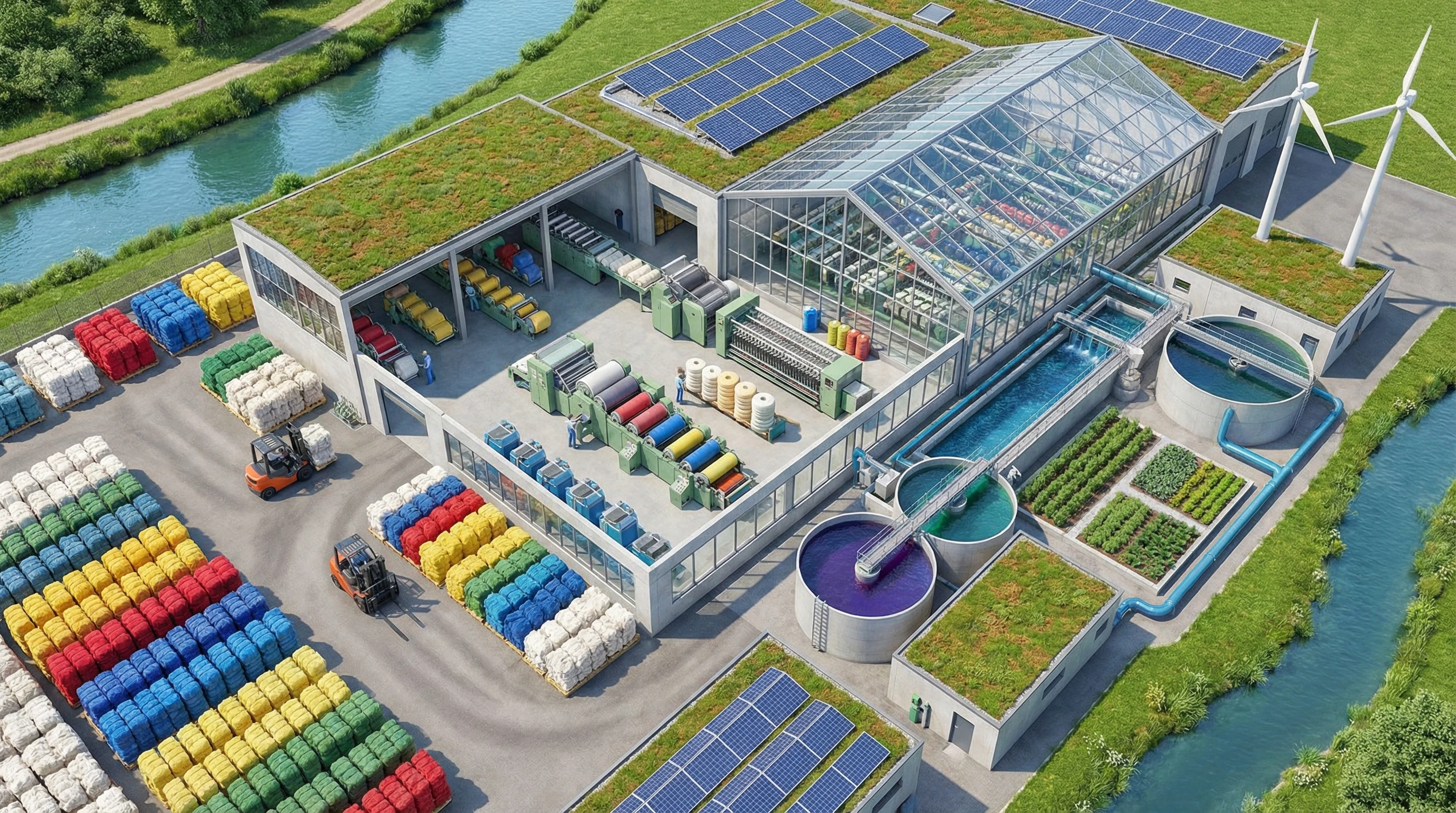
Understanding the environmental impact of yarn production begins with knowing how yarn is made. At its core, making yarn means spinning fibers together. These fibers come from animals (such as sheep, alpaca, or goats), plants (like cotton, linen, or bamboo), or synthetics (such as polyester or nylon). Each fiber type has a unique footprint, dependent on how it’s sourced, processed, spun, and dyed.
For most commercial yarns, the process follows these steps:
- Harvesting or synthesizing raw material: This process might involve shearing sheep, picking cotton, or creating polymers in a lab.
- Cleaning and processing fibers: Natural fibers need cleaning to remove oils, debris, and lanolin, while synthetics require chemical processing.
- Spinning into yarn: Machinery twists fibers into strands strong enough for knitting, weaving, or crocheting.
- Dyeing and finishing: Yarns are dyed, washed, and sometimes treated with chemicals to lock in color or texture.
Each step uses resources, and depending on the fiber and manufacturing standards, it can have a significant environmental impact.
Environmental Impacts of Wool Production
Wool holds a classic place in the world of yarn. It’s natural, renewable, and biodegradable, suggesting it’s a green choice at first glance. However, several factors play into whether wool production is actually eco-friendly.
- Land Use and Overgrazing: Sheep farming demands plenty of land. Too many sheep in a single area can overgraze fields, leading to soil erosion and reduced biodiversity. Countries with large sheep populations (such as Australia and New Zealand) have faced significant challenges in managing land responsibly.
- Greenhouse Gas Emissions: Sheep release methane, a greenhouse gas many times more potent than CO2. Large flocks produce enough methane that wool production can make a noticeable contribution to global warming (as covered in depth on The Conversation: theconversation.com). Wool’s emissions are not as severe as those from certain synthetic fiber production, but generally higher than many plant-based options.
- Chemical Use: Wool must be cleaned—scoured—with chemicals or detergents to remove grease and dirt. If cleaning water isn’t correctly used, chemicals can pollute rivers or end up in landfills. Reasonable regulations help, but not all areas enforce these strictly.
- Animal Welfare Concerns: Production issues sometimes weave together with animal welfare. Practices such as mulesing (removing strips of skin to prevent flystrike) draw criticism. Certifications like RWS (Responsible Wool Standard) are important to seek out if animal care is on your mind.
Wool’s key positives? It breaks down pretty quickly in compost, and it doesn’t shed any synthetic microfibers when washed. Choosing certified wool (Organic, RWS, or ZQ) helps align your purchases with higher environmental standards.
Environmental Effects of Other Textile (Yarn) Production
While wool gets a lot of attention, plantbased yarns (like cotton and linen) and synthetics also play major roles and have their own impacts. Here’s what you should know about each:
Cotton and Plant-Based Yarns
- Water Usage: Regular cotton is extremely “thirsty”—producing it takes vast amounts of water. Some reports indicate it can take up to 2,700 liters to make just one shirt. In droughtprone regions, this puts real stress on people and ecosystems.
- Pesticides and Fertilizers: Large-scale cotton farming uses a ton of chemicals to ward off pests and pump up growth. These chemicals can leak into rivers and affect farm workers unless better, sustainable methods are chosen. Organic cotton, TENCEL lyocell, bamboo, and linen are generally grown with fewer chemicals and lower water use.
- Processing Concerns: Linen and hemp yarns need less water and chemicals during growth, but converting plant stalks into yarn can use strong chemicals, especially with bamboo and viscose-based rayon. Newer, cleaner processing methods are on the rise.
Synthetic Yarns (Polyester, Acrylic, Nylon)
- Fossil Fuel Use: These fibers come from petroleum. Drilling for oil, refining, and making polymers all take lots of energy and put extra greenhouse gases into the air.
- Microplastic Shedding: Synthetic yarns shed microplastics with each wash, which then end up in rivers, lakes, and oceans. Washing bags like Guppyfriend can help catch some of them, but the issue never totally goes away as the yarn is used and discarded.
- Nonbiodegradability: Synthetic yarns take hundreds of years to break down; they simply fragment into smaller pieces, fueling the larger plastic pollution crisis.
Are Yarns Eco-Friendly?
Labeling a yarn as eco-friendly depends on its composition, origin, processing methods, and disposal options. Here’s a breakdown:
- Wool: Wool can count as eco-friendly when it comes from farms with rotational grazing, animal welfare, and land stewardship in mind. Certifications such as Organic, ZQ Merino, and RWS can highlight better practices.
- Plant-Based Yarns: Organic cotton, linen, and TENCEL are rising in popularity among buyers who want eco-friendly choices. These fibers generally use less intensive farming methods and rely less on chemicals.
- Recycled Options: Recycled wool, cotton, and PET (recycled plastic bottles turned into polyester yarn) keep waste out of landfills and use less energy than producing new fibers. You can track them down at specialty shops and among major brands making sustainability commitments.
- Acrylic and Polyester: Standard polyester and acrylic are not eco-friendly—they use oil and contribute to microplastic pollution. Some brands now offer recycled polyester or acrylic made with lower-impact processes, which can be a better alternative if those fibers fit your craft.
To truly be eco-friendly, yarns should check several boxes: certified fibers, decreased water and chemical usage, high ethical standards, and less plastic in packaging. Look for marks like GOTS (Global Organic Textile Standard), OEKO-TEX Standard 100 (for safer dyes and finishes), and the Global Recycled Standard.
Tips for Choosing Yarn with the Environment in Mind
If you’re looking for yarn that treads lighter on the planet, try these strategies:
- Search for certifications: GOTS, OEKO-TEX, Fair Trade, RWS, and FSC all signal better production methods.
- Support local or regional producers: Local mills cut down on shipping impacts and often support traditional or regenerative farming.
- Opt for recycled or reclaimed yarns: These reduce waste and use up less energy in production than all-new fibers.
- Focus on durability: Well-made yarn lasts longer, meaning less waste from frequent replacements.
- Pay attention to packaging: Many brands are switching to compostable or recyclable wrappers over plastic, lowering their environmental burden.
Challenges and Myths About EcoFriendly Yarn
It’s easy to get fooled by fuzzy eco-friendly claims. Words like “natural,” “safe,” or “biodegradable” don’t always have regulatory teeth. I always check for third-party certifications or seek companies that are clear and open about their sourcing and processes—a great starting point is Fashion Revolution’s tools at fashionrevolution.org.
- Myth: Every natural yarn is eco-friendly: Wool and cotton can be damaging if farms ignore land or animal stewardship.
- Myth: All recycled yarns are greener: Sometimes, recycling synthetic yarns actually takes a lot of energy and chemicals too; not every recycled product is low-impact.
- Myth: Eco-friendly yarns are less soft or tough: Modern earth-conscious yarns can match every texture and strength. Check reviews and sample swatches if you’re unsure.
Frequently Asked Questions
What are the environmental impacts of wool production?
Wool production takes a lot of land, and overgrazing can mean soil erosion and methane emissions from sheep. Wool must be cleaned with chemicals, which can pollute water unless factories follow good standards. Animal welfare varies by farm, and verified certifications can help you spot better options. Wool breaks down naturally in compost and does not shed harmful microplastics.
What are the environmental impacts of textile production?
Textile production, from yarn to finished fabrics, requires significant amounts of energy, water, and chemicals. Pollution can come in the form of greenhouse gases, microplastics, and toxic dye runoff. Conventional cotton and synthetic yarns create most of the harm, but using organic, recycled, or certified options helps lower these problems.
Are yarns eco-friendly?
Many yarns can be eco-friendly, particularly when made from organic, recycled, or properly farmed raw materials. Synthetic yarns that lack recycled content tend to have the biggest footprint. It pays to read labels and look for proper certifications for guidance.
Final Thoughts and Practical Takeaways
Yarn production affects our environment, but learning where your yarn comes from and how it’s made puts more power in your hands. Choose natural, certified, or recycled yarns where possible to shrink your environmental footprint. If you’re a crafter or maker, opting for better yarns and supporting brands that take care can help you enjoy your hobby with a little more comfort and confidence—every bit helps our planet, one skein at a time.