
If you’ve been hunting for ways to make your crochet projects more eco-friendly, recycled yarns have probably caught your attention. There’s a growing world of sustainable fibers out there, and recycled yarn is right at the heart of that movement. I’m here to walk through the basics, clear up some of the options you’ll find, and help you spot what matters as you plan your next project with an eco-friendly yarn in hand.
Getting to Know Recycled Yarn for Crochet
Recycled yarn takes leftovers from textile production, clothing, or other manufacturing processes and gives them a second life as yarn. Instead of sending these materials to landfills, manufacturers process them into fibers that can be spun and dyed again. That means more creative opportunities and less waste—a nice bonus for the planet and your craft stash.
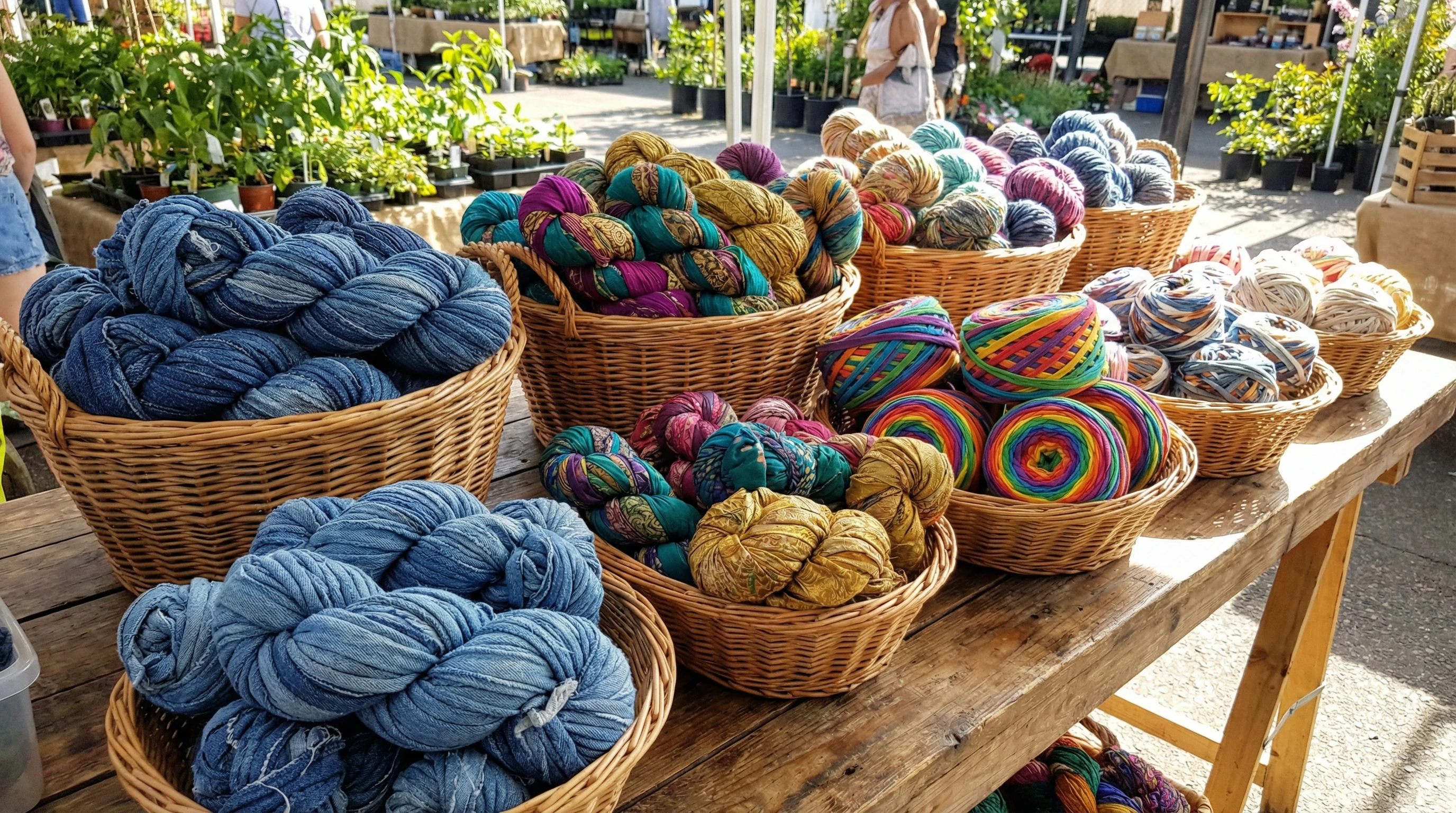
The world of recycled yarn is diverse. Some are made from old jeans, some from fabric scraps, and some from plastic bottles. It might feel like a new concept, but people have long reused textiles creatively. The key difference now is that more brands and small businesses are offering a wider selection, making it easier to find unique yarns no matter where you live.
Most recycled yarn is available in cotton, wool, polyester, or blends. Each type has its own perks. For example, recycled cotton feels soft and light, while recycled synthetics like polyester offer durability. I’ve even used yarn spun from recycled sari silk, which brings eye-catching color and a fun story to every project.
Popular Types of Recycled Yarn for Crochet
You’ll stumble upon several types of recycled yarn at local yarn shops and online, and each one has a slightly different feel and use case. Here are some of the most common:
- Recycled Cotton: Made from waste cotton fabric. Soft, airy, and ideal for projects such as tea towels or summer T-shirts. Lion Brand Re-Up is a good example to check out.
- Denim or Jeans Yarn: Produced from postconsumer jeans, these yarns have a sturdy, slightly textured finish that’s great for bags, baskets, or even casual garments. Rowan’s “Denim Revive” is a popular one I’ve tried.
- Sari Silk Yarn: Handspun from recycled silk sari remnants. Every skein feels like a one-of-a-kind work of art bursting with color. If you love working with unique textures, this is a treat.
- Tshirt Yarn (Tarn): Comes from leftover or upcycled T-shirts. Thick, stretchy, and ideal for larger projects like rugs, baskets, and home décor. Hoooked Zpagetti is a brand popular among crocheters.
- Recycled Polyester or Plastic Yarn: Crafted from PET bottles or polyester clothing, this yarn helps divert plastics from landfills. It’s surprisingly soft and works well for accessories and outerwear.
With so many choices, it’s worth feeling the yarn (if you’re shopping in person) or reading project reviews from other makers online. Texture and weight can vary a lot!
Why Crocheters Love Using Recycled Yarn
Picking up recycled yarn can make your crochet projects feel even more meaningful. One key reason I choose recycled options is the sense of giving new life to materials that would otherwise end up as waste. That’s super important when you’re trying to reduce your crafting footprint without sacrificing creativity.
In addition to being eco-friendly, recycled yarns offer unique colors and textures. Sari silk will never give you the same skein twice, and t-shirt yarn can have color shifts that add interest. It’s great for projects where you want character and don’t mind a bit of unpredictability, perfect for boho bags or cozy home accessories.
I’ve also found that recycled yarns are often less processed, which can mean fewer chemicals used throughout production. For those who care about minimizing exposure to certain dyes or finishes, that’s worth a mention. However, I always do my own research on any brand I haven’t tried before.
Another benefit is the sense of community that comes with using recycled yarn. Many brands work with women’s cooperatives or small artisan groups, so your purchase might also support communities locally or globally.
Challenges When Working With Recycled Yarn
Even though recycled yarn has a lot going for it, it does come with some challenges you’ll want to be aware of before jumping in. Knowing what to expect helps turn any surprise into a fun discovery.
- Inconsistent Thickness: Recycled yarn sometimes varies in thickness across the skein. I’ve worked on projects where I found thin spots mixed with chunkier bits. This isn’t a deal breaker, but you may need to adjust your tension or try a slightly larger crochet hook for the looser sections.
- Shorter Skeins: Some recycled yarn, especially handspun or sari silk types, comes in shorter skeins than commercial yarns. You may need more than you think to finish bigger projects, so be sure to buy enough up front.
- Limited Color Choices: The color selection can be more limited, especially if you’re searching for precise shades to match an existing project. Often, the appeal is in the unpredictable blends, but this isn’t ideal for everything.
It’s smart to make a swatch before getting into a big project, especially when using yarn you haven’t tried before. I keep leftover scraps handy for small testers or accent work.
Tips for Success With Recycled Yarn
Experience has shown that a bit of planning makes working with recycled yarn a lot smoother. Here are some tips I always keep in mind:
- Check yardage and buy enough skeins at the start, since dye lots are often unique.
- Gently wash and air-dry your projects to maintain their shape, especially for rag and t-shirt yarns, which can stretch if tumble-dried.
- If you’re matching colors or textures over a big piece, blend skeins together as you go to keep any differences seamless.
If you want to really give your recycled yarn project a boost, try mixing in regular yarn with similar weight and texture. This can extend your stash, reduce costs, and let you play with different styles and colors.
Project Ideas for Recycled Yarn Crocheters
Some projects just work better with recycled yarn, both for their look and for their benefit to the environment. Here are some ideas to spark your creativity:
- Market Bags: Sturdy, washable, and perfect for showing off the unique colorways of recycled cotton or t-shirt yarn. I made one with denim yarn, and it gets compliments all the time.
- Home Decor: Rugs, plant hangers, and baskets all take advantage of the chunky texture and durability of t-shirt or plastic-based yarns.
- Chunky Cowls & Scarves: Sari silk or thicker recycled-blend fabrics work up quickly and create a statement look, making them great for gifts or winter wardrobes
- Washcloths & Dish Scrubbies: Recycled cotton yarn is absorbent, soft, and super useful in the kitchen or bath.
- Pet Accessories: Recycled tshirt or denim yarn is perfect for crocheted dog toys or cat beds because of its strength and washable nature.
You can also try smaller accent projects like coasters, keychains, or baskets for storing all those bits and bobs. These smaller items make great gifts and let you try out different recycled yarn textures and colors before committing to a larger project.
Things to Consider Before Picking a Recycled Yarn
I always keep a few things in mind before stocking up on recycled yarn for crochet:
- Sustainability Practices: Some brands go the extra mile to spell out their sourcing and production. Checking their website helps make sure you’re making an ecofriendly choice. Website like Lion Brand’s Recycled Collection is worth a look if you want to dig deeper.
- Budget: While recycled yarn prices are coming down as it grows in popularity, handspun or artisan skeins can still be on the pricey side. Watch for sales, or try mixing recycled fibers with regular yarn for larger pieces.
- Allergies & Sensitivities: Some recycled yarn includes mystery fibers or might be blended with synthetics. If you want to avoid certain materials, check the label or buy from brands that list out full fiber content info.
- Project Suitability: Not every recycled yarn fits every project. For example, lacey garments may work better with smoother, more uniform yarn. Heavier bags or rugs are ideal for chunkier, recycled options.
My Honest Thoughts About Crocheting With Recycled Yarn
I’ve found crocheting with recycled yarn to be one of the easiest ways to bring more mindful making into my routine. Each project feels unique—even the most basic scarf or bag. I also like sharing that I used upcycled materials when giving a handmade gift; people genuinely appreciate the creativity and earthfriendliness.
The quirks and variations might feel unpredictable at first, but they ultimately make each project special. If you enjoy a bit of adventure in your crafting and want to make choices that are just a bit kinder to the earth, recycled yarns are definitely worth checking out.
Frequently Asked Questions
Here are some common questions if you’re thinking about recycled yarn for crochet:
Question: Is recycled yarn as strong as new yarn?
Answer: Many recycled yarns, such as t-shirt or denim yarns, are actually stronger than typical acrylic or wool yarns. Others, such as sari silk yarn, might require gentler handling. Swatching or checking fiber content helps you understand what to expect.
Question: Does recycled yarn feel scratchy or rough?
Answer: It depends on the fiber. Recycled cotton usually feels soft, while some handspun yarns might be a bit textured. Washing the yarn before use or after finishing can soften it up further.
Question: Where can I buy recycled yarn?
Answer: Lots of yarn shops now carry recycled lines. Online stores like Lion Brand, and Etsy often have a bigger selection plus reviews from other crocheters.
Final Thoughts
Exploring recycled yarn for crochet fires up your creativity and opens the door to sustainable projects with a story. With a bit of extra attention to sourcing and project planning, these yarns help keep waste out of landfills while adding new personality to every crochet piece. You can grab a skein that catches your interest, try a small project, and see how your crafts and your approach to making start to evolve.