
If you want to support the environment with your knitting or crochet, choosing sustainable yarn is a bright start. There are a lot of yarn labels that claim to be green or eco-friendly, and it’s easy to get lost in the sea of buzzwords and logos at the craft shop. To feel confident in your yarn choices, understanding what those certifications mean and how to verify them can make all the difference.
Understanding Sustainable Yarn Certifications
Sustainable yarn certifications are basically third-party checks that evaluate whether a yarn meets specific environmental, ethical, or social responsibility standards. These certifications usually focus on how the production process affects the planet.
The primary purpose of these certifications is to help shoppers recognize yarns that genuinely minimize harm to people and nature. They serve as a simple guide for anyone trying to shop ethically and help weed out greenwashing or empty marketing claims. Sometimes, just seeing a trusted certification badge can give peace of mind to conscious crafters eager to make responsible choices with every project.
Is There a Certification for Sustainability?
There are several certifications for sustainable yarns, but it’s important to know what each label actually means. Some of the most common and respected ones you’ll see include:
- GOTS (Global Organic Textile Standard): This covers both environmental and social criteria from field to finished yarn. More about this certification in the next section.
- OEKOTEX: Focuses on product safety, limiting harmful substances in the yarn.
- Organic Content Standard (OCS): Verifies the presence and amount of organic material in a product.
- Fairtrade: Aims to improve working conditions and wages for farmers and workers in the supply chain.
- Responsible Wool Standard (RWS): Ensures that wool comes from farms with animal welfare and land management practices in place.
Each standard addresses different aspects of the sustainability puzzle, so you’ll notice some yarns have more than one certification badge. Checking that at least one primary certification is present is already a solid step toward a more sustainable craft stash. Many brands also work to combine these badges, showcasing their commitment to responsible practices at various points in their production chain.
Which Certification is Best for Sustainability?
If you want a broad, independent certification that covers environmental impact, social aspects, and traceability, GOTS is often considered the most complete. It’s known for its high standards and covers every stage, from how the fiber is grown to how the yarn is dyed and processed.
That said, “best” isn’t always the same for everyone. If your top priority is animal welfare in wool, RWS could be your go-to. If you’re focused on human safety or reducing chemical use, OEKOTEX has strict safety checks that are very helpful.
So, while GOTS often gets a lot of recognition for being well-rounded, the “best” certification for you depends on what matters most in your ethical shopping journey. Take a minute to think about your main concerns—whether it’s supporting farm workers, promoting animal kindness, avoiding harmful chemicals, or just minimizing waste. Your priorities will point you to the correct label for your fiber hobby.
What is the Most Eco-Friendly Yarn?
The most eco-friendly yarn is usually made from renewable fibers, grown without harmful chemicals, and processed with minimal impact on workers and wildlife. Some popular options include:
- GOTSCertified Organic Cotton: Grown without synthetic pesticides, often rainfed, and usually traced all the way through supply chains for social and environmental responsibility.
- Tencel (Lyocell): Made from wood pulp in a closed-loop process that recycles water and solvents, keeping pollution super low.
- Recycled Yarns: Blends made from recycled cotton, polyester, or even denim scraps that would otherwise end up as waste.
- RWS Wool: Wool from farms focused on responsible animal care and land health.
Look for a mix of certifications for added confidence. Recycled and organic labels, plus OEKO-TEX or Fairtrade, are a strong combination. All these features help yarns fit in with a lower-impact lifestyle. If you have any doubts, please review each yarn’s background, as some companies publish full traceability details. Whenever possible, give the product description a once-over for extra peace of mind.
What is the GOTS Certification in Textiles?
GOTS (Global Organic Textile Standard) is one of the most widely respected organic certifications in the textile industry. Developed by a global team of organic textile experts, it sets high standards for:
- Ecological impact throughout every step. From organic farming to environmentally safe dyeing and finishing
- No use of pesticides, fertilizers, or GMOs in growing fiber crops
- Strict limits on toxic dye chemicals and wastewater emissions
- Protection for workers’ rights and fair treatment all along the supply chain
For crafts, seeing a GOTS label on a skein or cone is a strong sign that you’re getting a yarn made with planet and people in mind. Brands with official GOTS certification must pass audits and maintain traceability, so the label isn’t just marketing; it represents a serious commitment to better textile practices. Find out more about GOTS directly from the official site.
Quick Steps to Verify Yarn Certifications
Sometimes a label by itself isn’t enough, especially with all the imitation logos floating around. Here are some quick things you can do to verify a yarn’s certification:
- Check the label for official language: Words like “OEKOTEX Standard 100 Certified” or “GOTS Certified Organic Cotton” are more reliable than just “natural,” “eco,” or “green.”
- Look up the certification body: Certifications should come from a credible organization with public directories. For GOTS, for example, you can search yarns or brands directly on the GOTS database.
- Request a certificate or license number: Brands should be able to provide proof, usually a certificate with a registration number and expiration date. Many will happily send a PDF or photo if you email and ask.
- Scan the QR code or visit links, if available: Some modern yarn brands include direct QR codes you can scan with your phone to see third-party authentication details on the spot.
- Read reviews and visit trusted retailers: Sellers focused on ethical crafts often highlight true certification info and can serve as a cross-check against misleading claims.
Factors Worth Considering Before Buying Sustainable Yarn
Even after checking certifications, it’s a good idea to think through some of these details before adding to your stash:
- Fiber Source: Are you looking for plant-based, animal-based, or synthetic yarns? Each comes with its own challenges for ethical production and sustainability.
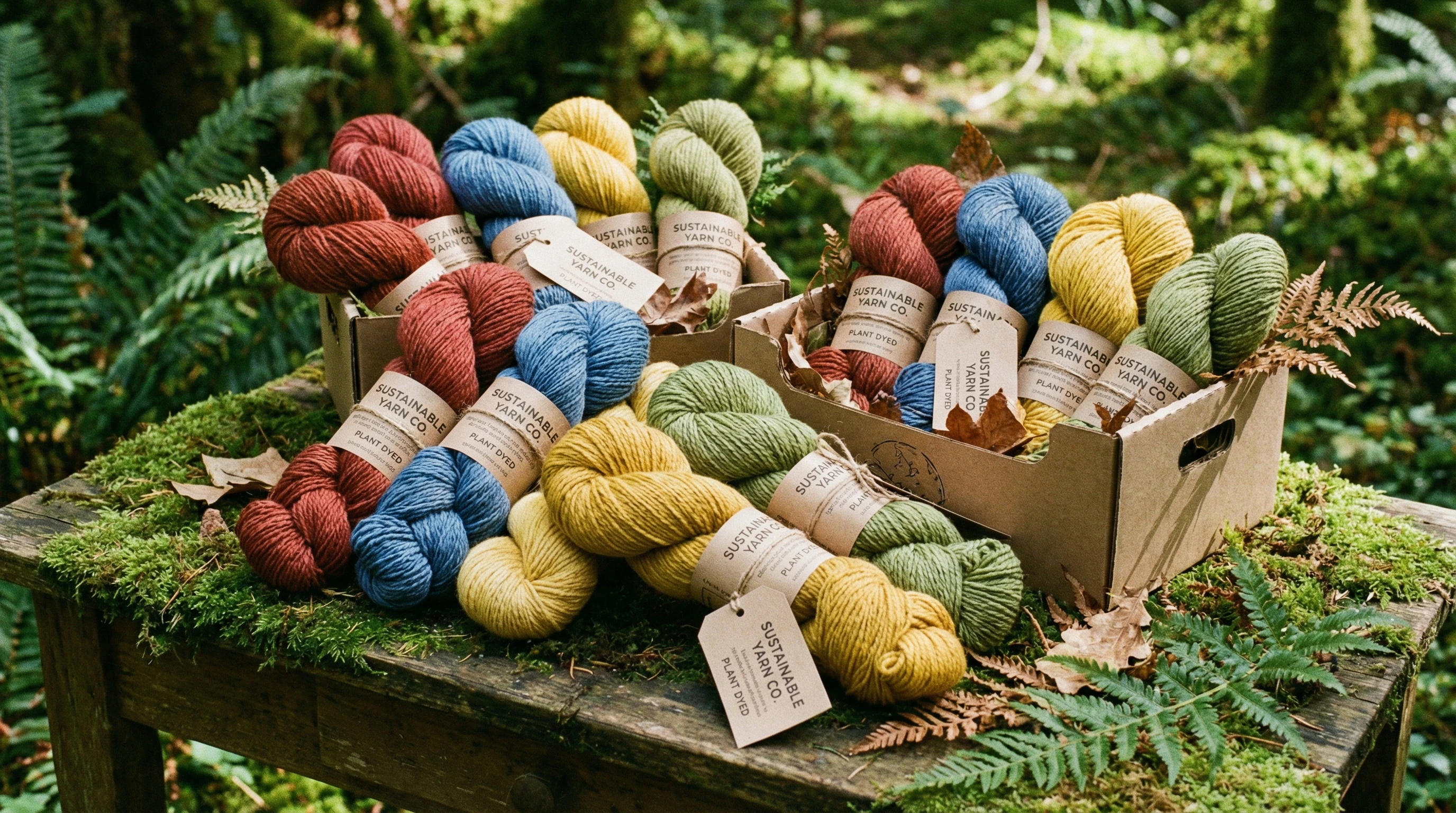
- Color Processing: Sustainable dyes are another thing to look for, check whether the brand uses low-impact or plant-based colorants.
- Packaging: Yarns with recycled or plastic-free packaging offer a complete eco-friendly package.
- Local vs. Imported: Locally made or sourced yarns can have a smaller transportation footprint and might support smaller farms or mills.
Careful research helps buyers match their values and project needs, so it pays to check out a company’s practices and transparency in addition to the logos on the label. Every little bit adds up. You should also check whether the brand partners with environmental organizations or engages in give-back programs to reduce its footprint further.
Advanced Yarn Certification Tips
If you’ve been making eco-friendly choices for a while, here are a few tips that might help you take your yarn game up a notch:
Watch for blended yarns: Sometimes, only a portion of a blend is certified. For example, a blend labeled “organic cotton” might only be 50% organic, so always check the full breakdown.
Dig into the company’s whole supply chain: Some yarn brands go the extra mile by sharing stories about their farms, mills, and artisans. Transparency is a key indicator of a brand’s values.
Check for recertification dates: Certifications aren’t forever! Make sure the certificate is current, as industry standards can change.
Join ecocrafting communities: Knitting and crochet forums and online groups are excellent sources for surfacing greenwashing tactics or recommending yarns that truly live up to their claims. Getting involved in these communities offers a steady stream of tips, reviews, and firsthand experiences from crafters worldwide.
With a bit of detective work, you can be confident that your next skein is not only gorgeous but also genuinely responsible. The sense of satisfaction you’ll get from knowing your yarn is planet-friendly can make your next project that much more rewarding.
Frequently Asked Questions
Question: What is the most important certification to look for in sustainable yarn?
Answer: GOTS is often viewed as the most reliable all-around certification, but Responsible Wool Standard and OEKOTEX are also strong choices depending on what’s most important to you (animal welfare, product safety, or organic farming).
Question: Can acrylic or synthetic yarns be sustainable?
Answer: Recycled synthetics (like yarns made from recycled plastic bottles) have a lower footprint than traditional acrylic. However, natural and certified organic fibers typically offer the most significant overall environmental benefits.
Question: Are any hand-dyed yarns sustainable?
Answer: Many indie dyers use organic, Fairtrade, or OEKOTEX certified bases and natural dyes, which are worth checking out. Always ask the dyer about the environmental impact of their process for full peace of mind.
Question: How can I tell if a yarn is truly organic or just labeled that way?
Answer: Certifications like GOTS or OCS are your best clue. Ask for documentation or certificate numbers if you’re in doubt. Third-party audits add an extra layer of verification compared to just taking a brand’s word for it.
Shopping for yarn certified by reputable third party organizations is one of the easiest ways to know your craft supports both people and the planet. It may take a little more time to check those labels and look up certifications, but your projects will have an added dose of feel good satisfaction. By making thoughtful yarn choices, you take your creative passion and set a positive example for fellow crafters. Happy ecofriendly knitting and crocheting!