
Ethical yarn is growing more popular every year, and I’m excited to see so many brands stepping up their game in 2026. Whether you’re a knitter, crocheter, or just love crafting, choosing yarn that matches your values can make the creative process even more enjoyable. There’s more to it than just color and texture—issues like animal welfare, labor fairness, and environmental impact are starting to matter more to crafters everywhere. Here’s a chance to jump into the world of ethical yarn brands and what you should know before your next project.
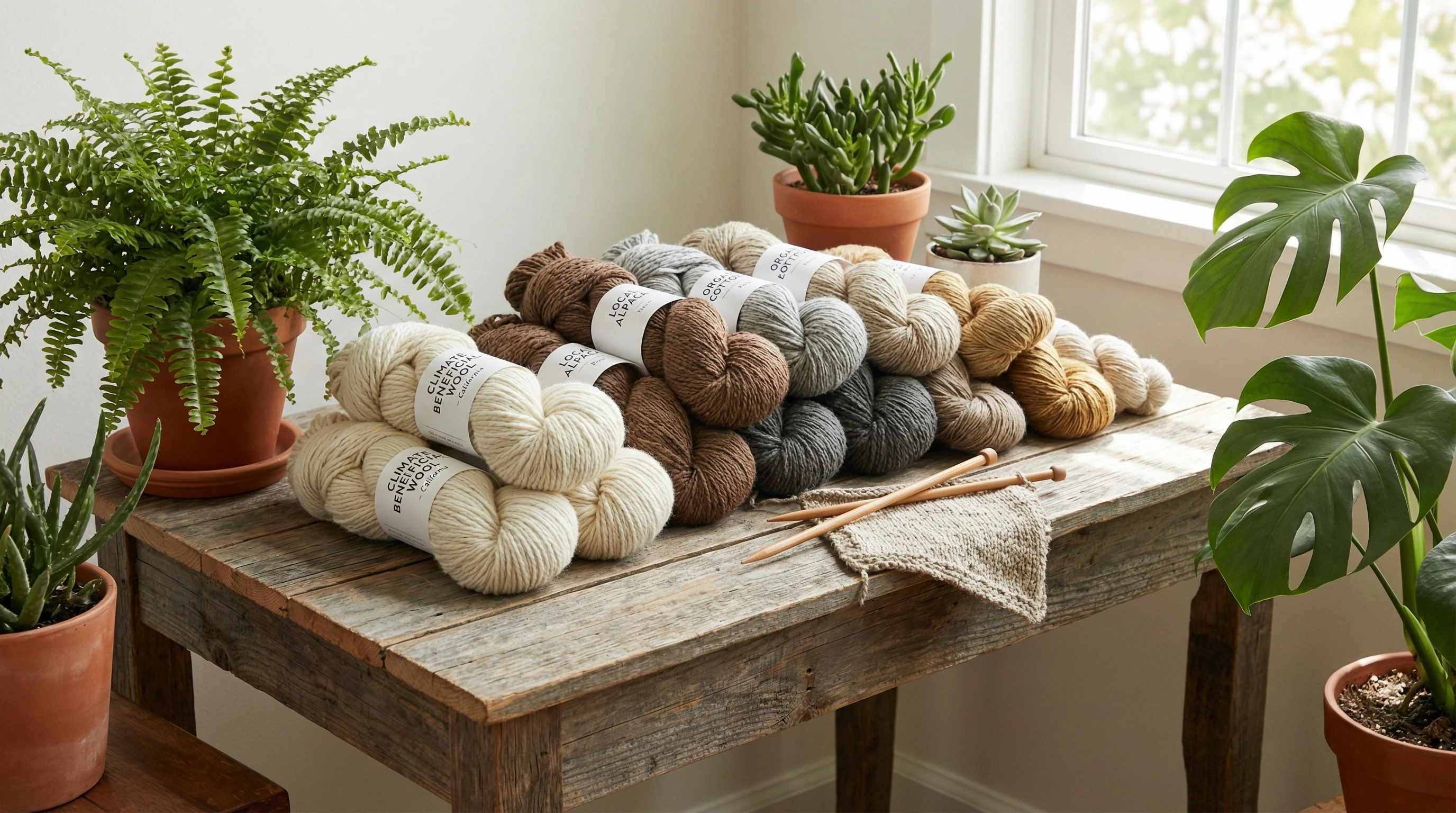
What Makes a Yarn Brand Ethical?
I receive many questions about what “ethical” means when it comes to yarn. It’s a mix of several things. First, ethical brands are usually transparent about where their fibers come from and how they’re produced. They focus on using sustainable fibers, such as organic cotton, linen, hemp, and cruelty-free wool. Some great examples are brands that use recycled fibers or plant-based dyes, which significantly reduce environmental impact.
Fair labor is another big deal. Ethical yarn companies pay fair wages and give safe working conditions to everyone in their supply chain, from sheep herders to factory workers. Details like animal welfare—think “mulesing-free” wool and cruelty-free silk—are also super important. Certifications like GOTS (Global Organic Textile Standard) or Fair Trade help back up these claims, so they’re worth checking for when you shop.
Are High Quality Yarn Brands Always Ethical?
High-quality yarn doesn’t always mean ethical, but many brands do both well. A high-quality yarn will be strong, soft, and easy to work with, with no excessive shedding or splitting. Some of the best-known quality yarn brands include Malabrigo, Madelinetosh, and Blue Sky Fibers. While they’re known for their luxurious textures and vibrant colors, not all of them check every ethical box.
The gold standard is a yarn that combines softness and durability with traceable sourcing and fair labor. Some standout options I like are Quince & Co., which offers traceable American wool, and Darn Good Yarn, which works directly with artisans in India to produce recycled-silk yarns. Rowan and Blue Sky Fibers both use ethical sourcing practices for many of their products. When you’re shopping, it’s pretty handy to visit a brand’s website or check the label, since most ethical brands are transparent about their practices and proud to share them.
Is Yarn Made Ethically?
Some yarn is made ethically, but not every ball you’ll see on a store shelf fits the bill. In 2025, more brands than ever are trying to create yarn that’s kinder to people, animals, and the planet. Ethically made yarn usually means no child or forced labor, fair pay, low environmental impact, and a focus on animal welfare for any animal-derived materials.
That said, mass-produced yarn from big-box craft stores typically provides little information on sourcing or labor conditions and may lack third-party certifications. In contrast, ethical brands tend to give details on how their wool is sourced (without cruelty), how cotton is grown (without pesticides), and how workers are treated throughout the supply chain. If this is important to you, always look for brands that share detailed information about their processes and are certified by organizations such as OEKO-TEX, Fair Trade, GOTS, or the Responsible Wool Standard.
Guide to Top Ethical Yarn Brands in 2025
Based on my experience, it helps to choose yarn from brands committed to ethical practices so you can feel good about your next project. Here are some cool brands to keep in mind:
- Quince & Co. – This brand focuses on American-grown wool, organic linen, and traceable supply chains. Their small-batch approach makes each skein something special.
- Darn Good Yarn – Known for recycled silk and handspun fibers, this company teams up directly with women artisans in India and Nepal, supporting fair wages and sustainable livelihoods.
- Wool and the Gang – With a focus on organic, recycled, and biodegradable fibers, they offer plenty of plant-based choices and traceable wool, plus creative, eco-friendly packaging.
- KPC Yarn – Offering GOTS-certified cotton, cashmere, and eco-friendly dyes, KPC is big on responsible sourcing and sharing details about their production.
- BC Garn – If you’re a fan of European yarns, BC Garn is worth checking out. They specialize in organic and GOTS-certified wool and cotton, striving for a low environmental footprint.
- Blue Sky Fibers – This brand prioritizes animal welfare with traceable alpaca, organic cotton, and eco-friendly wool options. Their manufacturing process is clearly laid out on their site.
How to Tell if a Yarn is Truly Ethical
Sometimes brands use terms like “green,” “eco,” or “sustainable” as a sales pitch, but there are a few straightforward ways to verify whether a yarn brand is the real deal. Here’s what I do when I’m shopping:
- Look for certifications. GOTS, Fair Trade, OEKO-TEX, and RWS are all good signs.
- Read up on transparency. Brands should disclose where their fibers come from, who manufactures the yarn, and how they treat workers.
- Check for animal welfare. Ethicallyproduced wool should be mulesing-free, and ethical silk should be cruelty-free (also called “peace silk”).
- Research dyeing methods. Natural dyes or closedloop dyeing methods are both way better for the environment.
- Read community reviews. Ravelry, knitting forums, and craft blogs are full of crafters sharing honest experiences about yarn brands.
Common Challenges of Shopping for Ethical Yarn
While ethical yarn is easier to find in 2025 than ever before, it isn’t always as cheap or as easy to grab as the stuff you find at the big-box craft stores. Here are a few things to watch out for and some tips to help:
- Price: Ethical yarns are often pricier because they pay farmers and workers fairly, focus on quality, and use more expensive processes. Consider smaller projects, join online yarn swaps, or buy in bulk to save.
- Availability: Some yarns are made in small batches with limited color choices. Ordering online is often the best way to get what you want, but it’s always worth supporting local yarn shops that stock ethical brands. Consider speaking with local shop owners about your interest in ethical yarn—they may offer special ordering options or upcoming restocks you can plan for.
- Greenwashing: Not every brand claiming to be “eco-friendly” meets all the ethical marks. That’s where checking for certifications and genuine transparency comes in handy. Don’t hesitate to write to brands and ask them about their sourcing and labor practices; their response can say a lot.
Price Realities
Paying more for high-quality, ethicallymade yarn supports better working conditions and animal welfare. If you’re on a budget, focusing on small-batch indie dyers or trying plant-based yarns like bamboo or linen can help stretch your crafting dollars. Also, keep an eye out for seasonal sales or bundle offers online, which make it easier to try out top-notch ethical brands without spending too much.
Accessibility
Availability has improved significantly in the past few years, but it can still be challenging to find specific ethical brands, especially if you’re outside major cities. Online sites like LoveCrafts, Yarn.com, and Etsy offer a wide selection. Always check reviews for info about shipping times and quality if you’re trying a new brand. Local shops sometimes host ethical yarn pop-ups or fiber festivals, which are great chances to see and feel fibers in person before buying.
Tips for Choosing the Right Ethical Yarn for Your Projects
Picking the right yarn can make all the difference in your project. Here are tips I’ve found helpful:
- Match yarn fiber to your project. For example, organic cotton is great for summer wearables, while mulesing-free merino is super soft and warm for winter accessories.
- Buy a sample skein before committing to a big order. This helps you test softness, color, and how well it works up.
- Check dye lots if you need several skeins—ethical brands usually include this info, and it’s really important for consistent colors.
- Connect with the crafting community. Local yarn shops, Ravelry forums, and online groups are full of smart tips, reviews, and recommendations.
- Try combining ethical yarns with remnants from other projects. Mixing leftover bits can create unique, textured pieces while reducing waste, helping you be more eco-friendly.
Also, don’t forget to care for your ethical yarn projects according to the guidance given by brands—gentle washing and laying flat to dry usually keeps the fibers looking fresh and lasting longer.
Frequently Asked Questions About Ethical Yarn
Question: What are some high-quality yarn brands?
Answer: Some of the top quality yarn brands that also make ethical choices include Quince & Co., Malabrigo, Blue Sky Fibers, Darn Good Yarn, and Rowan. These brands stand out for their durability, color range, and overall feel, and many also operate transparently and focus on responsible sourcing.
Question: Is yarn made ethically?
Answer: Yarn can be made ethically, but not every brand adheres to ethical practices. When yarn is made ethically, it uses sustainable materials, pays fair wages, and avoids animal cruelty, but mass-market yarn doesn’t always meet these standards. To make sure, check for third-party certifications and research the brand before you buy.
Question: How can I check if a yarn is truly ethical?
Answer: Look for precise details about where the fiber comes from, who made it, and how it was dyed. Certifications such as GOTS and Fair Trade are reliable ways to verify claims. The brand’s website, Ravelry, and independent craft blogs are great places to find honest information.
Final Thoughts on Crafting With Purpose
Choosing ethical yarn brands in 2026 isn’t just about making a great project; it’s also about making positive choices for people, animals, and the planet. A little research goes a long way, and supporting brands that put care into every step of the process feels great while you create something beautiful. Whether you’re a hobbyist or crafting for business, ethical yarn opens up new ways to connect your values with your creativity. By making thoughtful choices and spreading the word in your own crafting circles, you help build a better future for everyone involved in the fiber world.