

Crocheting is a super satisfying craft, but keeping your stitches strong is really important if you want your projects to last. Figuring out when to reinforce crochet stitches doesn’t have to be complicated, but knowing what to look for can save a lot of frustration down the road. Whether you’re making garments, home decor, or practical items like bags, a bit of extra attention now can prevent wear and tear later. I’m sharing my experience so you can spot when reinforcement makes sense and learn a few handy tricks to keep your crochet creations in great shape.
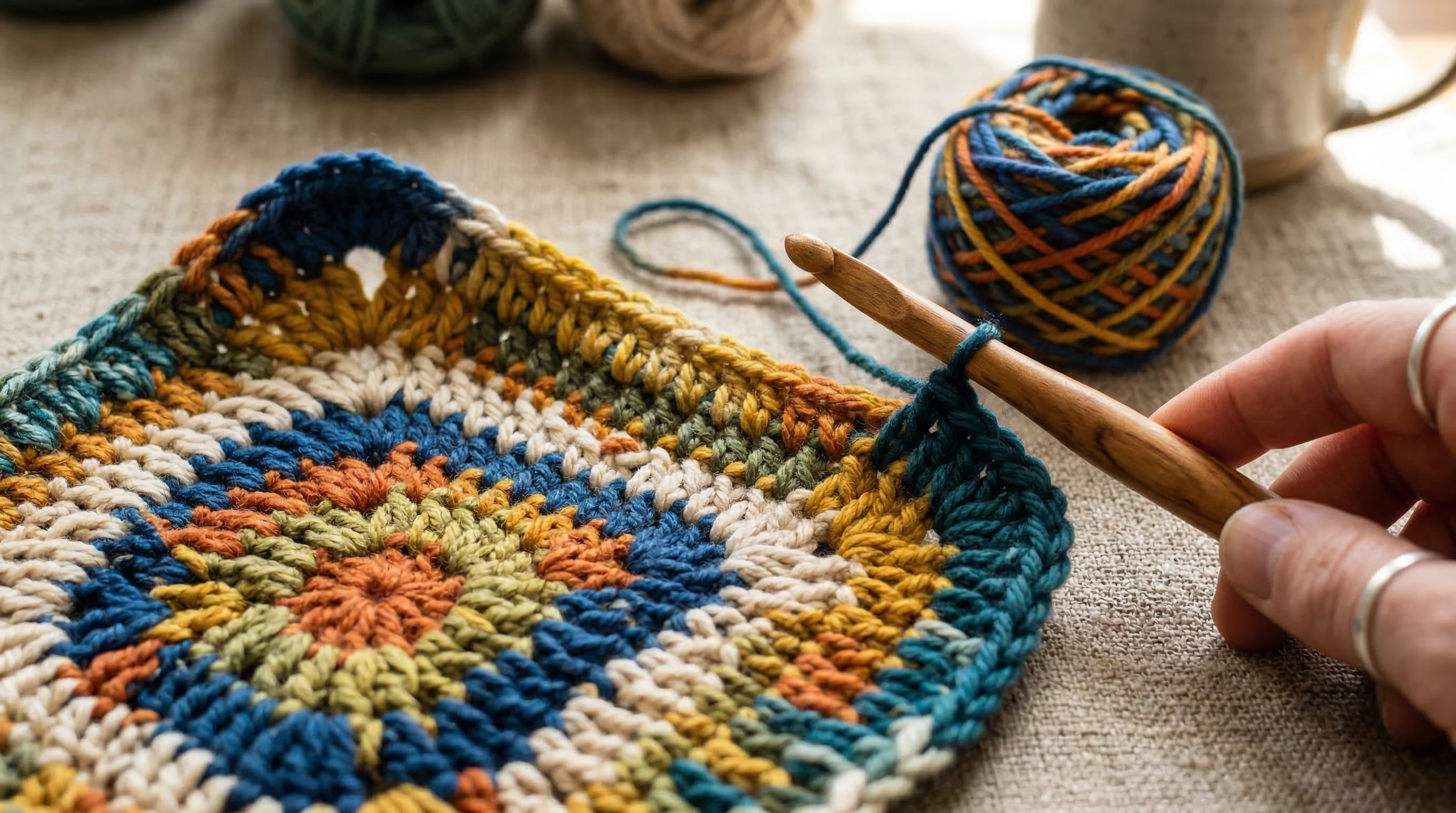
Why Reinforcing Crochet Stitches Matters
I learned pretty quickly that some parts of a crochet project have more stress than others. Places like buttonholes, corners, or handles can start to sag or stretch out unless they get a little extra support. Adding support to these areas not only helps your work stay looking good longer but also gives your projects real durability, so they hold up over time. Even if you’re just creating decorative pieces, neat, stable stitches give everything a more polished and finished feel.
Many crocheters spot problems like unraveling or holes appearing—especially after the first wash or some use. Most of this comes down to places where the yarn just couldn’t take the pressure. Reinforcement can be as simple as using a stronger stitch, adding a lining, or working a row of tighter stitches. Once you start keeping an eye out for weak places, reinforcing crochet becomes second nature.
Common Situations Where Crochet Stitches Need Reinforcement
Not every section of a pattern needs extra support, but some places are pretty notorious for loosening up. Here are a few situations where you should check more closely and sometimes stitch in a little more strength:
- Seams and Joins: Any spot where two pieces are sewn or crocheted together—like the underarms of sweaters or squares in a blanket—experiences more pulling than other areas.
- Edgings and Borders: Borders can stretch out or curl, especially if the stitch tension changes or if they’re handled a lot (like the edges of scarves or blankets).
- Bag Handles and Straps: The spots where handles join a bag have to take the weight, so weak stitches might slip or even break.
- Buttonholes and Fastenings: Buttonholes deal with lots of pulling from using the buttons, so they can lose their shape quickly.
- High-Wear Garment Zones: Elbows, cuffs, collars, and hems on clothing pieces get moved and brushed up against, wearing down stitches faster than you’d expect.
Checking over these areas during your project makes it way easier to target parts that could use reinforcement before you finish the piece.
How to Spot Weak Or Vulnerable Crochet Stitches
Sometimes it’s obvious a part of your crochet project could use help, but other times it takes a little digging. Here are some signs I watch for when thinking about reinforcing stitches:
- Loose or Uneven Tension: When the stitches in a section are looser or seem wonky compared to the rest, that’s a hint they might give way down the line.
- Gaps or Holes: Tiny holes between stitches can get bigger with time, especially where there’s movement or stretching.
- Yarn Stretching or Fraying: If you see yarn getting thin or splitting, it’s a warning that part could wear out soon.
- Distorted Shape: When borders, buttonholes, or straps don’t sit flat or look stretched out, it’s often a solid clue to add reinforcement.
- Heavy Weight or Pressure: If you notice a spot carrying most of the weight (like a strap attachment), give it a little backup.
Addressing these clues early saves time and prevents you from having to fix weak spots later, which is always more difficult after you finish your project.
Step-by-Step Guide: Reinforcing Crochet Stitches as You Go
Spotting potential problem spots early means you can work reinforcement into your project right from the start. Here’s how I handle it step by step as I crochet:
- Pause and Assess: After every section—like finishing a row that ends at a seam or a loop that’s attaching a handle—I give it a gentle tug to check for strength.
- Switch to a Durable Stitch: For spots under the most stress (like underarms or bag corners), I’ll switch from a single crochet to a tighter slip stitch or a solid slip stitch join.
- Add Extra Rounds: When an edge feels floppy, an extra round of single crochet or crab stitch normally stiffens things up.
- Use Reinforcement Threads: For heavy-use projects, I often carry a strand of sewing thread or a thinner, stronger yarn together with my main yarn right where I need support.
- Double Up on Joins: Attaching handles or sewing seams? I go over the join twice with my hook or needle to make sure it’s built to last.
- Secure Fastenings: For buttons and buttonholes, anchoring a small patch or adding a reinforcing stitch pattern keeps everything together.
Tweaking your approach like this as you go saves the headache of repairs later, and the finished project is sturdy from the start.
Extra Tips to Reinforce Finished Crochet Projects
Every now and then, you finish a project and notice a spot that could use a bit more strength. Here are a few methods I use to reinforce completed crochet pieces:
- Sewing a Backing: Stitching on a piece of felt or a patch of fabric behind a strap or buttonhole supports the yarn and keeps it from stretching.
- Invisible Reinforcement: Running a length of clear nylon thread or a matching sewing thread through stitches gives barely-visible, flexible support.
- Crocheting Over: Adding another round of crochet, like a reverse single crochet, around stressed areas can pull things together without changing the look much.
- Reinforcing Seams: Going back along seams with a whipstitch or backstitch, especially for garments, makes them stand up to regular use and washing.
Using two or more of these techniques together works extremely well for big projects like tote bags or heavy blankets, where extra strength is key.
Examples: When Reinforcement Has Saved My Crochet Projects
Through the years, I’ve avoided many crochet mishaps just by catching weak spots in time. On a bag I made, the handle started stretching after just a couple uses. Doubling up on the seam with extra single crochet stitches plus a piece of strong cotton thread kept it from ripping off completely. For a baby cardigan, reinforcing tiny buttonholes with whipstitch meant they held their shape after several wears. Even with blankets, adding a border of crab stitch around the outside edge kept everything clean and square, even after lots of washing and use.
Small tweaks like these truly changed how my makes wore over time. Reinforcing doesn’t need to be fancy, but it really makes a difference for heirloom or gift items you hope will last for ages.
Popular Questions about Reinforcing Crochet Stitches
Here are a few questions I hear all the time about reinforcing crochet:
Q: Do I need to reinforce all crochet projects?
A: Not every piece needs reinforcement. Concentrate on the sections that get lots of use or stress, like seams, edges, and buttonholes. If it’s just for decoration, you can usually skip the extra work.
Q: What type of yarn is best for reinforcement?
A: If you need extra strength, cotton or robust synthetic yarn works great. Sometimes just running a strong sewing thread along with your main yarn is enough, especially for finer or lighter items.
Q: Can you reinforce a project after finishing it?
A: Absolutely. Whether it’s sewing on fabric, running strong thread through, or adding more stitches after the fact, it can definitely help. Reinforcing during the original making is easier, but working in support later is still better than letting things fall apart—just make sure you keep the shape and feel of your item.
What to Keep in Mind for Sturdy Crochet
Keeping stitches strong and neat totally levels up your crochet projects. Watch for places like seams, handles, and edges—those spots get the most pressure and give you the biggest bang for your effort. A few quick fixes while you crochet, or right afterward, keep your work looking great and save you from tough repairs. Try these methods on your next project, and you’ll notice right away how much longer and better your crochet holds up—whether you’re working on a snuggly sweater or a practical market tote.