
Crochet offers a cool side benefit not everyone talks about. It’s actually a great way to support sustainability. When I started getting serious about eco-friendly crafting, crochet projects using responsible materials and thoughtful designs quickly became my go-to. There’s a lot you can do, from choosing recycled yarn to making everyday items that replace single-use plastics. I’m here to walk through some ideas and show you how crochet patterns can really support a greener lifestyle.
How Crochet Patterns Can Be Sustainable
Crochet can be sustainable in a few key ways. Using up scrap yarn, choosing plant-based or recycled fibers, and making items that last are all steps in the right direction. I like to think of sustainability in crochet as finding ways to reduce waste and make choices that benefit both the planet and people.
There’s no universal rule, but here are a few ways to make your crochet more eco-friendly:
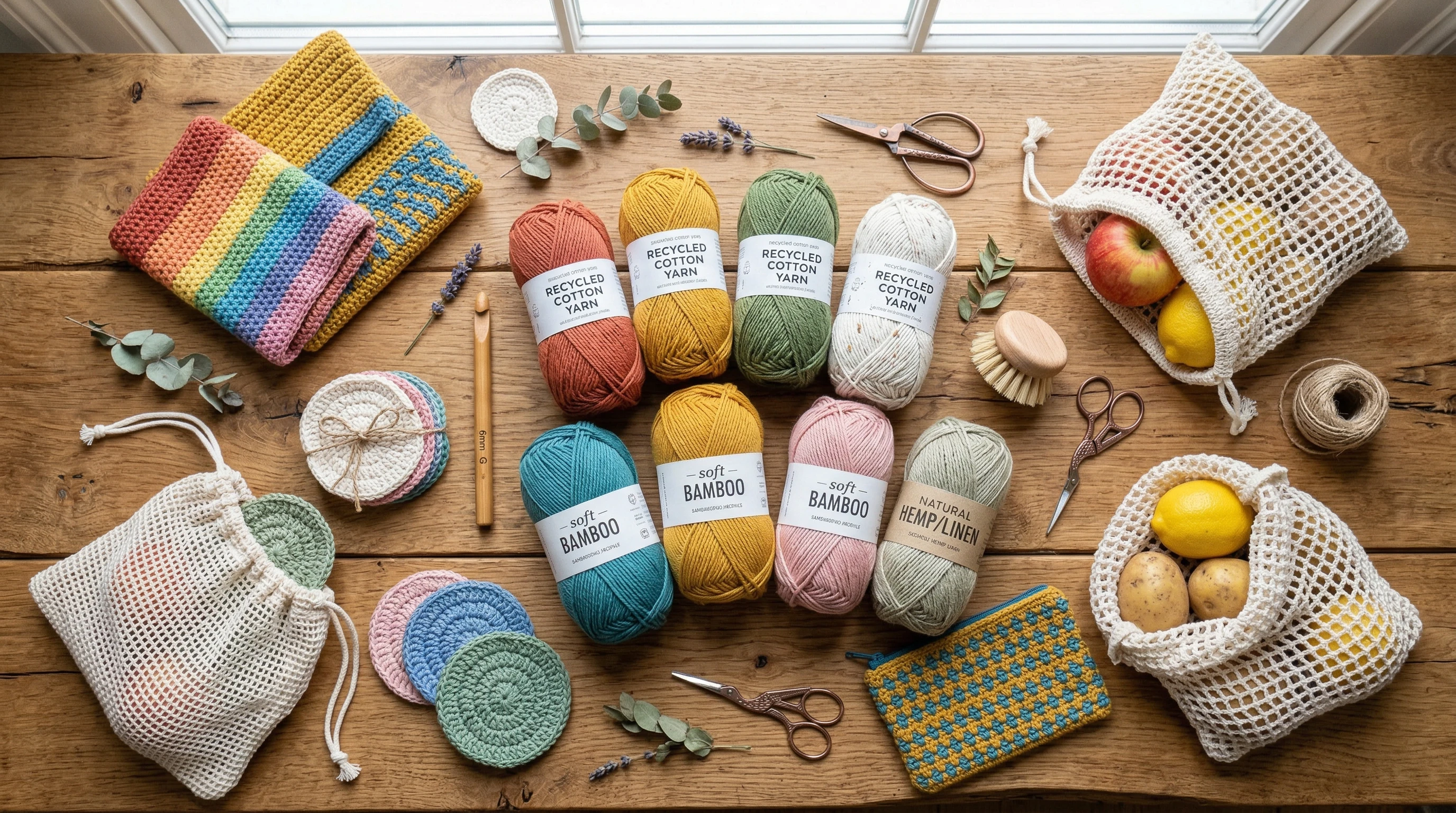
- Pick yarns that are organic or made from recycled materials. Brands now offer yarn spun from recycled plastic bottles, old jeans, or even t-shirt offcuts.
- Use up leftovers. Scrap yarn projects are oddly satisfying. Things like stashbusting blankets or colorful patchwork tote bags are fun and practical.
- Replace disposables. Crocheting reusable bags or face scrubbies is one way to swap out single-use items in your daily life.
- Avoid synthetic fibers where possible. Acrylic and polyester can shed microplastics when washed. Plant-based yarn is a better choice for many everyday items.
What You Can Do To Be More Sustainable with Crochet
Being more sustainable isn’t all-or-nothing. Small changes go a long way, especially when you’re making a bunch of items or teaching others. Here are things I recommend if you want your crochet hobby to have a lighter impact:
- Plan projects mindfully. Before starting, I always check what yarn I already have. Sometimes a project idea naturally changes once I see the colors and materials in my stash.
- Prioritize durability. Choosing sturdy, washable yarn like cotton means your finished piece can handle years of use and look good doing it.
- Gift or donate extras. Instead of tossing finished items that don’t get used, pass them to a local charity or friends.
- Experiment with upcycling. Repurposing old textiles, like t-shirts or sheets, into plarn (plastic yarn) or t-shirt yarn opens up a creative range of possibilities.
- Share patterns and finished items. Encouraging others to make their own reusable products has a ripple effect for sustainability.
Crochet Items in High Demand for a Sustainable Lifestyle
Handmade crochet items are more popular than ever, especially those that fit eco-friendly needs. Here are some of the most sought-after sustainable crochet goods:
- Reusable grocery bags: Sturdy, washable, and super customizable. These stay in demand at markets, on Etsy, or at local craft fairs.
- Produce bags: Lightweight produce sacks help avoid the singleuse plastic at the store. Mesh stitches work especially well for these.
- Dish cloths and cleaning pads: Cotton yarn is great for reusable kitchen wipes. They’re easy to wash and cut down on paper towel waste.
- Face scrubbies and makeup remover pads: These small circular pieces are made from soft bamboo, cotton, or hemp yarn, perfect for reusable skincare routines.
- Water bottle slings: Handy for anyone who likes to bring a reusable bottle everywhere. Plus, they’re a fun and quick project for all skill levels.
- Storage baskets: Ideal for organizing or gifting, especially if made from upcycled yarn or textile scraps. These can have a major impact on the use of plastic baskets in the home.
These items are practical for daily use, easy to customize, and appeal to anyone aiming to limit waste. Patterns for these are everywhere online, and they’re a smart way to put your crafting skills to use.
How to Make Your Own Reusable Products
One of the best things about crochet is how it turns yarn into super useful daily products. Here’s how I approach making my own eco-friendly pieces:
- Choose your project. Pick something you know you’ll genuinely use, like tote bags, kitchen towels, or face pads.
- Select sustainable yarn. Organic cotton, bamboo, hemp, or recycled yarns are great choices for most reusables. Check the yarn label to confirm it’s washable and durable.
- Pick the right stitch. For bags, use strong stitches like single or half double crochet. For scrubbies or washcloths, textured stitches give more scrubbing power.
- Use what you have. If you’re not picky about color, combine leftover yarns for a oneofakind look. This cuts down on waste and results in unique items.
- Finish with sturdy seams. Reusable items get lots of wear, so reinforcing handles and joining seams tightly ensures they really last.
If you’re new to making reusable items, a classic produce bag or a simple dishcloth is a great place to start. You’ll find endless free and paid patterns online that walk you through each step, so finding inspiration is never an issue.
Choosing Sustainable Crochet Tools and Materials
Besides the yarn, the tools you put to work in crochet also affect your eco footprint. Here’s what I keep in mind when selecting tools:
- Bamboo or wooden hooks: These are renewable, biodegradable, and super comfortable to use. Most craft shops and online stores carry them these days.
- Metal hooks: Aluminum lasts forever and can be recycled. I still have a few from when I started my crochet journey; a single set usually covers all my needs.
- Avoid disposable supplies: Rather than plastic stitch markers or row counters, find replacements at home or choose metal or wooden options.
- Yarn with a clear origin: Transparent labeling on how and where the yarn is produced helps ensure you support ethical and sustainable manufacturing.
- Ecofriendly packaging: Brands that minimize or use recycled packaging get extra credit in my book when I’m picking out yarn or tools online.
A little research before buying helps me feel confident about my crochet kit. Local yarn stores often offer tips and may carry smaller independent brands focused on sustainability. I like to buy from them when I’m able, since supporting local businesses helps the community too.
Common Crochet Techniques that Promote Sustainability
Some crochet techniques suit sustainable crafters beautifully. Here are a few I turn to often:
- Stashbusting: Creative ways to use up all your leftover yarn instead of discarding it.
- Upcycling fabric: Making tshirt yarn or plarn gives scrap textiles new life and keeps them out of the bin.
- Repair and repurpose: Fixing wornout crochet items preserves sentimental pieces and means fewer things tossed away.
- Making modular items: Building components like granny squares lets you use up odds and ends over time, ensuring nothing goes to waste.
These techniques don’t just help manage waste; they also spark new project ideas and make personalized gifts or household items that stand out from the storebought crowd.
Frequently Asked Questions About Sustainable Crochet
People I talk to often want to know how to start or improve their sustainability effort in crochet. Here are a few answers to common questions:
How can crochet be sustainable?
Crochet is sustainable when you use mindful materials, avoid waste, and create longlasting, reusable products in place of singleuse ones. Repurposing leftover yarn and old textiles also supports sustainability.
What can I do to be more sustainable?
Pick projects that replace disposable products, use natural or recycled fibers, minimize new purchases, and donate or share your finished items. Backing ethical brands and supporting small producers is also a smart way to make your hobby more sustainable.
What crochet items are in high demand?
Reusable shopping bags, dishcloths, face scrubbies, produce bags, and storage baskets are always in demand for people seeking eco alternatives to everyday products.
How do I make my own reusable products?
Begin by choosing a simple pattern, select a sturdy and washable yarn, and finish with reinforced seams so the item holds up. There are lots of free tutorials online for all skill levels.
What materials should I choose for crochet tools?
Opt for bamboo, wood, or metal hooks rather than plastic. Pick yarns made from natural, organic, or recycled content. Try to buy from brands with clear sourcing and eco-friendly packaging.
Taking Steps Toward Greener Crochet
Sustainable crochet is really about making small choices that add up over time. By opting for responsible materials, making useful items, and even passing on tips to friends, you can easily work ecofriendly habits into your craft routine. Each project is a fresh opportunity to help the environment, and that’s something I find rewarding both creatively and personally.