
Eco yarn has become a popular choice in fashion and textiles, especially for those who care about making more sustainable decisions. I find that understanding the eco yarn supply chain helps me choose products that support responsible sourcing and better environmental outcomes. Knowing where eco yarn comes from, how it moves through the textile industry, and what makes a supply chain eco-friendly gives me a much clearer picture of how my choices make a difference.
What Is Eco Yarn?
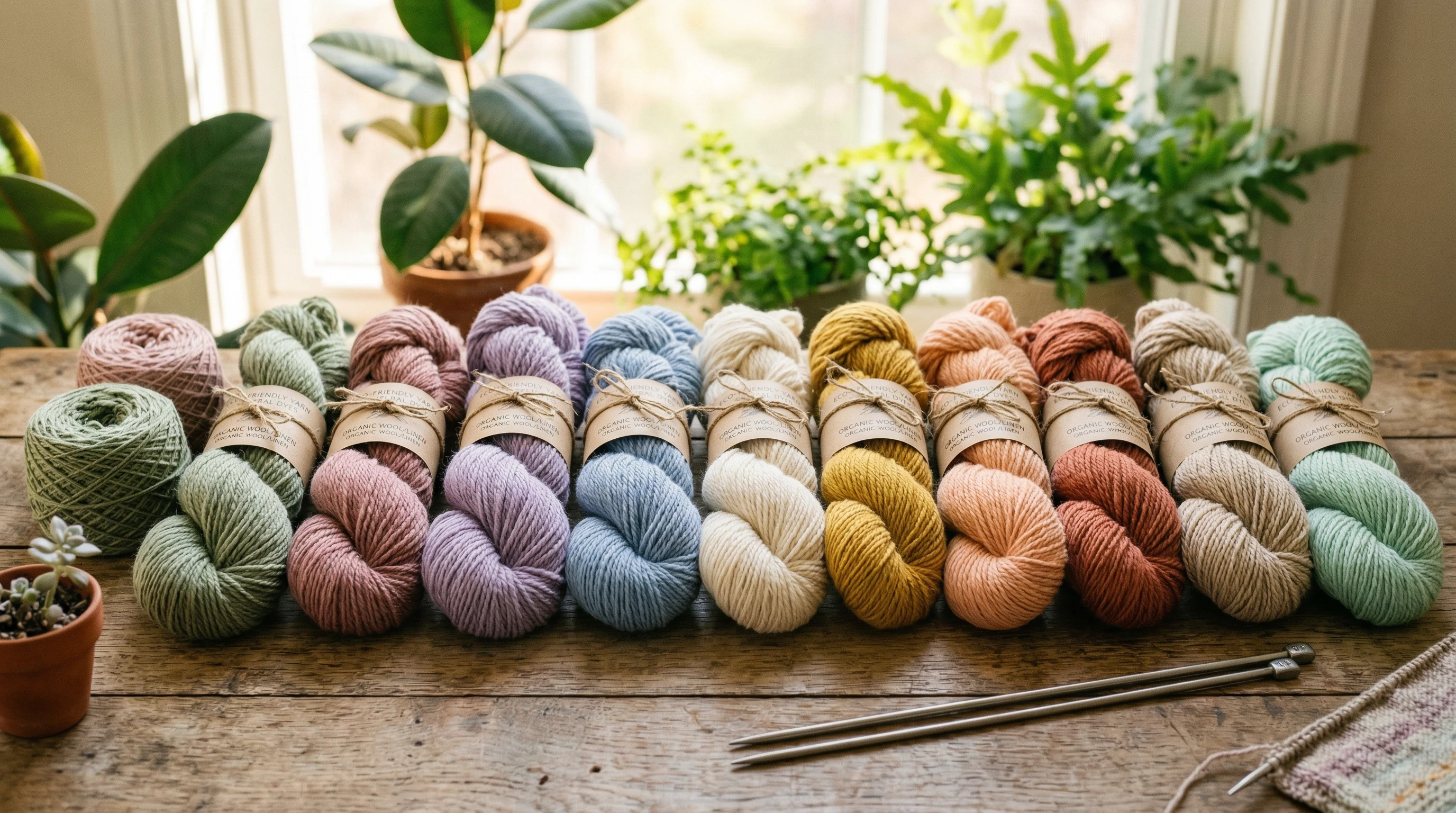
Eco yarn refers to yarn that comes from environmentally friendly sources or is made using sustainable processes. When I look for eco yarn, I usually find it made from organic fibers, recycled materials, or plant-based materials. Some examples include organic cotton, bamboo, hemp, and recycled plastic yarn.
The most important thing that sets eco yarn apart is its lower environmental impact. It avoids harsh chemicals, supports ethical treatment of workers, and often uses methods that reduce waste and conserve water. Whether I am knitting, crocheting, or choosing garments made with eco yarn, I know I am making a more thoughtful choice for the planet.
The Textile Supply Chain Explained
The textile supply chain describes every step involved in turning raw materials into finished clothing or textile products. This chain starts with sourcing fibers and ends with delivering the final product to the consumer. Knowing how these steps fit together helps me see where eco-friendly improvements can really make a difference.
- Raw Material Sourcing: This first step involves harvesting or producing fibers such as cotton, wool, bamboo, or synthetic materials. Eco yarns come from renewable or recycled sources.
- Processing: These fibers are cleaned, spun into yarn, and sometimes dyed or treated before being turned into fabric or finished yarn balls for purchase.
- Manufacturing: The yarn is then woven, knitted, or otherwise processed into textiles or clothing.
- Finishing: Garments or textile goods are cut, sewn, and finished, often involving additional dyes or treatments. In this stage, eco-friendly products use lower-impact chemicals and processes.
- Distribution: Goods are shipped to stores or directly to consumers.
Each step in this supply chain offers an opportunity to apply eco-friendly practices. By following each stage, I can better understand how my yarn or garment was made and how much its production respects people and the planet.
Eco-friendly Supply Chain Practices
Eco-friendly supply chain practices encompass practices and policies that reduce the environmental impact of textile production. I pay close attention to these when I’m shopping because they give me clues about whether a product is truly sustainable or just labeled that way.
- Use of Renewable and Recycled Materials: Fiber sources matter. Organic cotton, linen, bamboo, and recycled PET (plastic bottles) are all more sustainable than virgin synthetics or conventional cotton.
- Water and Energy Conservation: Factories and farms that invest in water-saving techniques and renewable energy sources are easier on the environment.
- Non-Toxic Dyes and Chemicals: Using plant-based or low-impact dyes and avoiding heavy metals helps reduce water pollution and chemical runoff.
- Fair Labor and Transparency: Ethical working conditions, fair pay, and supply chain transparency show me that workers have been respected throughout the process.
- Reduced Packaging and Waste Management: Less packaging, recycled packaging, or packaging that’s easy to recycle helps cut unnecessary waste.
When a brand or yarn label explains these practices, I feel more confident about my purchase. Certifications like GOTS (Global Organic Textile Standard), OEKO-TEX, and Fair Trade can help, but I also dig a bit deeper to see what actions companies are actually taking.
How the Yarn Procurement Process Works
When I think about the yarn procurement process, I picture everything that happens between growing or collecting raw materials and putting finished eco yarn on the shelves. This process is made up of a few well-defined steps:
- Selection of Fiber Source: Producers choose between organic crops, recycled fibers, or alternative plants. They look for reliable suppliers who grow or source these materials sustainably.
- Negotiation and Purchase: Brands or mills reach agreements with farms, recycling companies, or cooperatives. Contracts will often focus on fair prices, quality standards, and reliable delivery schedules.
- Quality Testing: Before processing, fibers are tested for consistency, cleanliness, and strength. Yarn made from organic or recycled materials may undergo additional checks to ensure it meets certification standards.
- Spinning and Dyeing: The raw fiber is spun into yarn and, if desired, dyed using eco-friendly processes. This includes water recycling and safer dye chemicals.
- Distribution to Buyers: Once finished and packaged, the yarn is shipped to stores, wholesalers, or directly to customers.
This procurement process is more complex for eco yarn due to the additional checks and certifications required. Producers need to verify that their input materials are truly organic or recycled, which often requires more paperwork and independent audits. This is why eco yarn can cost a little more, but it also means the yarn I choose is genuinely better for the environment.
Common Eco Yarn Types and Benefits
When I browse for eco yarns, I often come across a few popular types, each with its own set of benefits:
- Organic Cotton: Grown without harmful pesticides and using less water than conventional cotton. It feels soft and is usually safe for those with sensitive skin.
- Bamboo Yarn: Made from fast-growing bamboo. It has a silky texture and is naturally antimicrobial, though I try to pick brands that process bamboo in a closed-loop system to keep things low-impact.
- Recycled Yarn: Created from leftover fabric, old garments, or recycled plastic bottles. This type uses less raw energy and reduces landfill waste.
- Hemp Yarn: Strong, long-lasting, and requires little water or pesticides to grow. I like it for hardwearing projects.
Choosing any of these options reduces my overall environmental footprint and helps support farms and processors that use better practices. For instance, organic cotton farms support healthier soil, bamboo yarns can encourage farmers to maintain responsible harvesting cycles, and recycled yarns give a second life to plastic or fabric waste that might otherwise end up in landfills.
Eco yarns are often biodegradable or recyclable once their useful life is over, making them a smart choice for both craft lovers and large brands seeking to reduce their ecological impact. Moreover, as technology and supply chain innovation advance, more options for eco yarns emerge, including blends of fibers such as alpaca, soy silk, and even pineapple leaf.
Challenges in the Eco Yarn Supply Chain
Even with the growing popularity of eco yarn, the path from field or recycling plant to finished yarn is not without its challenges. Here are a few issues I pay attention to:
- Availability and Cost: Because organic or recycled materials can be harder to source and require more documentation, eco-friendly yarn may cost more and can sometimes be out of stock.
- Certification and Transparency: Labels can sometimes be misleading, so I check for third-party certification and research company policies.
- Traceability: Not every supply chain is fully traceable from start to finish. Some brands provide details about their sourcing, while others don’t.
- Scalability: Producing sustainable yarn at a large scale without sacrificing labor or environmental standards is complex and still evolving.
- Consumer Awareness: Many shoppers are just starting to get a feel for the impact of their choices. Brands need to step up their efforts to educate the public and make clear, truthful claims about their products.
By knowing about these hurdles, I can better set my expectations as a consumer and look for brands that are honest and making steady improvements. As demand for eco-friendly yarn rises, many companies are investing more in research, development, and partnerships to address traceability and certification, which is promising for the future of textile sustainability.
Tips for Choosing Sustainable Yarn
When I shop for yarn, a few simple steps help me make smarter choices for both my projects and the environment:
- Always read the product label carefully, looking for specific details about fiber content and origin.
- Look up certifications like GOTS, OEKO-TEX, or Fair Trade, but also research the brand’s practices to see how transparent they are.
- Ask questions of shop staff or directly from brands about their fiber sourcing and dye processes.
- Choose undyed or naturally dyed yarns if possible, as these are often more eco-friendly.
- Buy only what I need, since reducing waste is just as important as the materials themselves.
- Support local and smaller-scale producers when possible, as this can help reduce shipping emissions and strengthen responsible communities in the textile world.
Taking these steps not only trims down my personal carbon footprint but also signals to yarn makers and sellers that shoppers want responsible, transparent practices. Over time, this can spark more positive change throughout the yarn and fashion industry.
Frequently Asked Questions
What is eco yarn, and why is it better?
Eco yarn uses fibers and methods designed to reduce environmental harm and improve working conditions for the people who produce it. It is usually made from natural or recycled fibers and uses less toxic chemicals. These qualities make eco yarn gentler on the planet and the communities involved in its creation.
How does the yarn procurement process work?
The yarn procurement process involves sourcing or growing sustainable fibers, spinning them into yarn using eco-friendly techniques, and selling them to shops or buyers who prioritize sustainability. Throughout these steps, greater attention is paid to certifications and traceability, giving buyers peace of mind.
What are some signs of an eco-friendly supply chain?
I look for renewable or recycled fiber sources, low-impact dyeing, ethical labor, and transparent reporting. Certifications from recognized organizations help, but doing extra research into the brand is worthwhile. Full disclosure and a commitment to traceable sourcing are both good signs of a truly eco-friendly supply chain.
What challenges can arise in building an eco yarn supply chain?
Higher cost, sometimes limited stock, and confusing labeling are common. Full traceability and scalability are ongoing challenges for producers. Additionally, shifting consumer expectations mean brands must adjust and provide better education about what makes their yarns truly sustainable.
Choosing eco yarn and supporting eco-friendly textile supply chains makes a real difference, both by reducing my environmental impact and by supporting better livelihoods for people along the way. When I pay attention to sourcing, certification, and transparency, I know my purchases support a more responsible textile industry, and that feels good for both my conscience and my craft. As more people choose eco yarn and step up their sustainability game, the whole industry moves toward better practices and a brighter environmental future.