

Sustainable handbags aren’t just stylish—they’re an easy way to make your accessory game eco-friendly. From recycled materials to fair labor practices, there’s a lot to check out when picking a bag that matches both your style and your values. I’ve spent way too long comparing options, reading tags, and talking to designers to find bags that really do some good for the planet (and people). Ready to upgrade your collection more thoughtfully? Here’s my no-nonsense guide for choosing a sustainable handbag that genuinely holds up, both literally and eco-wise.
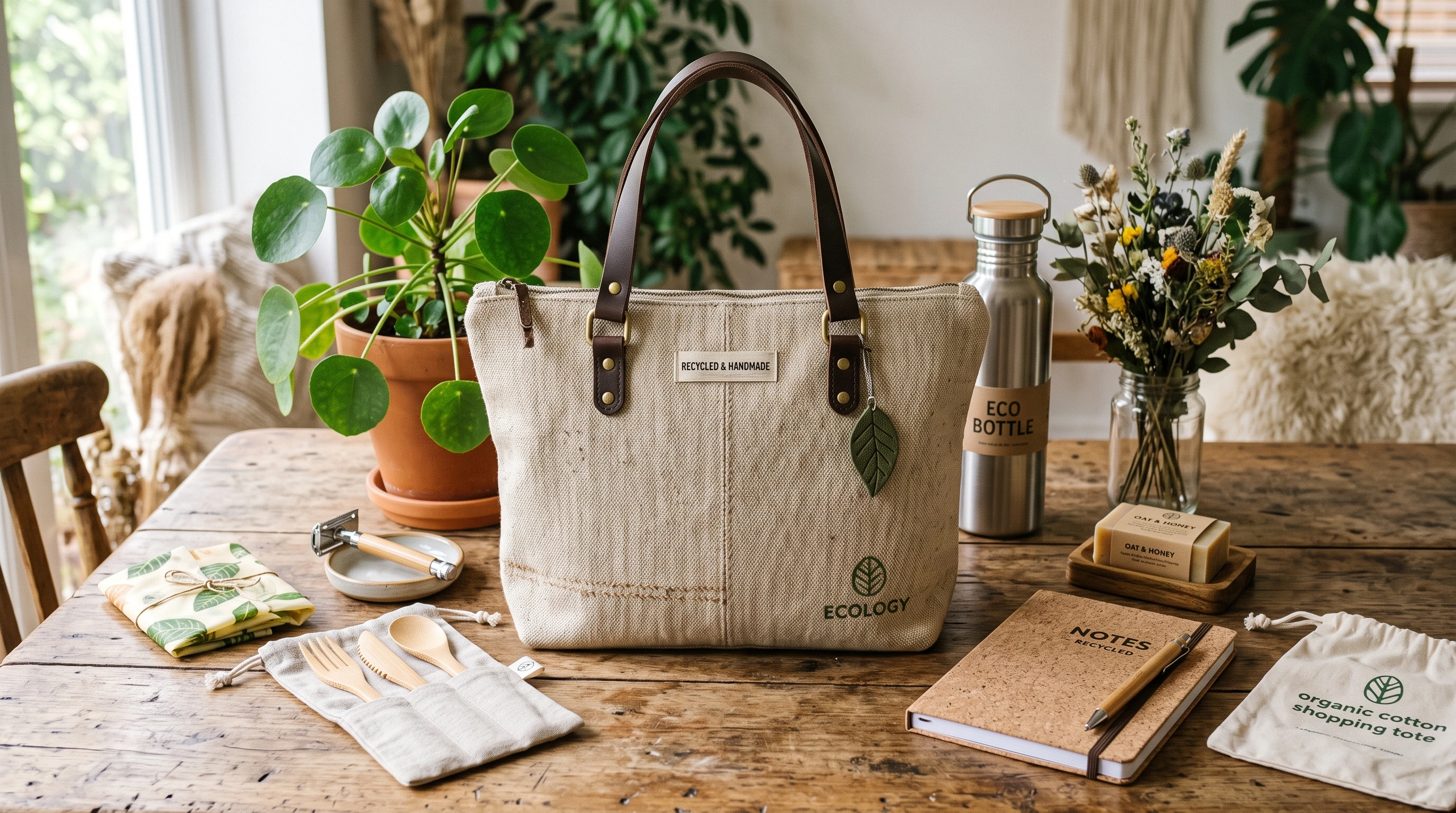
Getting Started: What Makes a Handbag Sustainable?
You’ll spot all kinds of labels—”eco,” “vegan,” “recycled”—but true sustainability goes further than a green sticker. A sustainable handbag keeps resources in mind, avoids harmful chemicals, and is built to last. The best ones also make sure the people behind them are paid and treated fairly. Here’s what to look for right off the bat:
- Eco-friendly materials: Things like organic cotton, recycled polyester, or innovative options like pineapple or cactus leather.
- Low waste production: Brands that minimize scrap, water use, and pollution stand out here.
- Ethical labor: Genuine transparency about worker conditions matters a lot.
- Durability: A bag that falls apart in a year isn’t sustainable. Look for stitching, zippers, and materials that can actually last.
It’s also worth checking for certifications like Global Organic Textile Standard (GOTS) or Fair Trade for a little more peace of mind. If those aren’t available, poking around the brand’s website for real details (not just buzzwords) helps cut through the fluff.
The Most Environmentally Friendly Bag Types
Material and design make a big difference in how green a bag ends up being. Here are a few bag types and materials that are known for being less harsh on the environment:
- Upcycled bags: Some of my favorite brands use leftover fabrics, postconsumer plastics, or even repurposed seat belts to make tough, one-of-a-kind bags. These use up waste and keep it out of landfills.
- Plant-based leather alternatives: Bags made from pineapple leaf fiber (Piñatex), cactus, or mushroom-based mycelium feel luxe but are way gentler on animals and the planet than traditional leather.
- Thrifted or vintage finds: Buying secondhand gives a bag a second life and saves a ton of resources.
- Certified organic cotton or canvas: These are easy to find, lightweight, and don’t load up the planet with pesticides.
Circular design, where brands make bags that can be recycled or composted at the end of their life, is getting more common and is definitely worth supporting when you spot it. If you want your sustainable bag to be truly green, look for brands that offer repair services and recycling programs after purchase.
How to Pick a Handbag for Your Body Type
Style and fit matter as much as sustainability. A bag that looks and feels right for your body makes a difference in comfort and confidence. Here are some quick tips I’ve picked up from stylists and personal shopping mishaps:
- Petite: Go for smaller crossbody bags or mini backpacks. Giant totes can look overwhelming and aren’t super practical if you’re on the shorter side.
- Tall or broad: Structured, larger tote bags or hobos balance out height or broader shoulders nicely.
- Curvy: Medium-sized satchels with some shape (not too slouchy, not too stiff) tend to work great. Top handle bags just above the hip are super flattering.
- Long torso: Bags with shorter handles, like a classic shoulder bag, help create more visual balance.
Trying on different bag shapes in person—even with your daily essentials stuffed inside—helps a lot. And remember, sustainability includes actually loving and using your bag for years, not ditching it after a couple of months. When in doubt, ask a sales associate or a friend for feedback on what flatters you best.
What Are the Most Sustainable Luxury Brands?
Some luxury names have really stepped up their green game. You pay more, but you get high-quality craftsmanship, transparency about materials, and investment pieces built to last. Here’s a quick list of luxury brands known for prioritizing sustainability:
- Stella McCartney: Famous for going leather-free, the brand uses recycled polyester, organic cotton, and plant-based leather alternatives in its handbags. Stella’s team is also big on traceable supply chains.
- Matt & Nat: Not technically high fashion, but their attention to recycled materials and transparency around vegan manufacturing is worth checking if you’re into modern, clean lines.
- Gucci Off the Grid: This line uses recycled nylon and is part of a wider push by Gucci for better eco responsibility and circular fashion goals.
- Hermès: The debut of their mushroom-based “Sylvania” leather alternative is one to watch, though the brand is still working toward full transparency.
- Veja (for accessories): Their bags use wild rubber and organic cotton, and the sourcing is super transparent.
It’s worth noting that even big brands are still working on being truly “green”; luxury doesn’t automatically mean low impact. Dig into the details and watch for third-party certifications to help make sure the claims check out.
Spotting Good Quality in a Sustainable Bag
A high-quality sustainable handbag isn’t just about the label. It’s about making sure the materials and construction hold up in real life. Here’s my basic checklist when I’m eyeing a new bag:
- Strong stitching: Pull at the seams to see if the threads hold up. Uneven stitching or loose threads are definitely something to skip.
- Tough zippers and closures: Metal hardware usually lasts longer than plastic, especially when you’re opening and closing your bag a lot.
- Lining material: A sturdy, clean lining (sometimes made of recycled fabric) adds to the lifespan. Cheap linings rip quickly.
- Reinforced handles or straps: Bags that carry a lot, especially totes and backpacks, should have extra stitching or padding where it counts.
- Material feel: Sustainable alternatives like cork or upcycled canvas should feel thick, not flimsy. With plant leathers and recycled material, you want a smooth, even texture and no weird chemical smell.
Spending a bit more upfront for higher quality usually pays off in the long run. You get fewer repairs, less waste, and a bag you actually want to take out over and over. Plus, well-constructed bags maintain their shape, resist sagging, and can stay looking next-level cool for years.
Dealing with Common Challenges in Sustainable Bag Shopping
Even the most eco-friendly shopper runs into a few roadblocks. Here’s what I’ve come across and some ways to work around them:
- Greenwashing: Some brands exaggerate their eco-claims. Reading reviews and looking for legit certifications like Fair Trade or GRS certification helps weed out the fluff.
- Price: Sustainable bags are sometimes pricier, but checking out secondhand platforms, waiting for sales, or even local artisan markets can land you a deal.
- Limited styles: The market for cool sustainable bags is growing fast, but it’s not as huge as fast fashion yet. Small brands on Etsy or independent boutiques often have really unique options.
- Durability concerns: Some newer plant leathers are still catching up with traditional ones in terms of toughness, so keep an eye on user reviews and warranty offers.
Another issue comes up with care—plant-based leathers and recycled materials may require different cleaning methods, so always read care instructions to avoid accidental damage. As the market grows, expect more helpful guides and options on this front.
How to Care for Your Sustainable Bag
Caring for your bag helps it last and keeps waste low. Here are a few quick tips to keep it looking great:
- Keep it clean with a damp cloth; skip harsh detergents that can break down materials or leave residue.
- Store it in a dust bag or pillowcase to prevent scratching.
- For plant-based materials, check the maker’s cleaning advice. Some need a bit of conditioner or only a dry cloth.
Repairs or upcycling (think swapping out a broken zipper or adding a patch) keep your bag going and avoid repeating the whole shopping process too soon. Reaching out to indie makers or local cobblers can give your bag an even longer life.
FAQs About Choosing a Sustainable Handbag
Anyone dipping their toes into greener accessories might wonder:
Question: What type of bag is most environmentally friendly?
Answer: The best picks are bags made from upcycled or recycled materials, or those crafted from renewable, plant-based sources. Plus, buying secondhand is always a good move for cutting your overall footprint.
Question: How do I pick a handbag for my body type?
Answer: I suggest trying bags of different shapes and strap lengths to see what sits comfortably and balances with your height and build. Generally, smaller bodies pair well with compact bags, while larger frames can carry bigger, structured styles. Don’t be afraid to experiment until you find the fit that works best for you.
Question: What are the most sustainable luxury bag brands?
Answer: Look for names like Stella McCartney, Gucci Off the Grid, Matt & Nat, Hermès with Sylvania, and Veja. Always double-check their sustainability policies and certifications, since luxury can mean many things.
Question: How can I tell if a handbag is good quality?
Answer: Check seams, hardware, lining, and the feel of the materials. Brands focused on sustainability usually highlight craftsmanship, so they’re more likely to hold up than fast-fashion alternatives.
Final Thoughts on Going Green with Your Next Bag
Finding a sustainable handbag is totally doable and can be really rewarding. It’s all about finding what fits your everyday style, making sure it’ll last, and picking a brand you can feel good about. Whether you go vintage, upcycled, or designer ecochic, the planet and your closet will both thank you for making the switch. A little research up front leads to a confident, conscious purchase that feels as good as it looks, and that kind of shopping truly steps up your style for the long haul.