
Eco crochet bag businesses are popping up everywhere, and I keep running into success stories that are both inspiring and super practical. There’s something about turning yarn into sustainable, reusable tote bags or cute purses that fits with the current focus on eco-friendly living. If you’re thinking about starting your own eco crochet bag side hustle or ramping up a small handmade business, there are plenty of examples out there showing it’s totally possible to turn this hobby into a great source of income.
What Makes an Eco Crochet Bag Business Work?
A lot of the entrepreneurs I’ve followed didn’t start with a lot of money, fancy tools, or a huge audience. Most began at their kitchen tables, often wanting to do something creative that also made the world a little better. They spotted a need for reusable bags as single-use plastic bans rolled out in more places. Doing a bit of research on yarn sources helped them track down recycled cotton, organic bamboo, or jute—materials that appeal to ecoconscious buyers and set their bags apart in a crowded market.
Many found early buyers among neighbors, teachers, and friends who wanted something both useful and stylish. Social media definitely plays a big part, allowing these crafters to show off their bags, share their process, and connect with buyers looking for handmade, earth-friendly gifts.
Profitable Crochet Businesses: The Numbers and Stories
If you’re asking if crochet businesses are profitable, the short answer is yes, especially if you’re using smart marketing and materials people actually want. I’ve seen sellers on Etsy and Instagram clearing between $500 and $2,000 a month just on eco crochet bags, including simple totes, market bags, and boho-style purses. Some full-timers hit higher numbers by expanding into custom orders or wholesale for local shops.
The reality is that profit depends on keeping supply costs low while charging a fair price for the time-intensive nature of crochet. Switching to recycled yarn (which can get expensive if you’re not careful) is easier when you buy in bulk or join co-ops with other makers. Sellers who document their eco-friendly process, showing yarn recycling, dyeing, or packaging with compostable mailers, tend to connect with shoppers willing to pay more for something green.
Eye-Opening Stories from Successful Makers
One story that stands out for me is from Andrea, who started crocheting shopping bags during the pandemic and never looked back. She began by offering a few designs featuring thick, durable handles and bold stripes using recycled cotton. A quick post of her finishes on Instagram brought a handful of orders, and word spread after she attended a local farmers market.
Another maker, Samira, combined eco crochet bags with zero-waste kits, bundling produce bags, lunch totes, and even matching scrunchies. Her business boomed after a local zero-waste store stocked her collections. Both Andrea and Samira stress how much personal branding—sharing their eco mission, process, and even packaging choices—helped set them apart. They’re not just selling bags; they’re selling a feel-good experience.
Even more interestingly, other crafters have seen their businesses grow quickly after they started blogging about their handmade process, offering tips for yarn selection or care, and posting photos of satisfied customers using their products. These small steps not only build trust but also attract more people who want to support businesses with a real eco mission.
In-Demand Crochet Items: What Sells Best Right Now?
Certain styles and ideas tend to attract more buyers, especially when trends are moving toward sustainability. Right now, these crochet items are seeing a lot of interest:
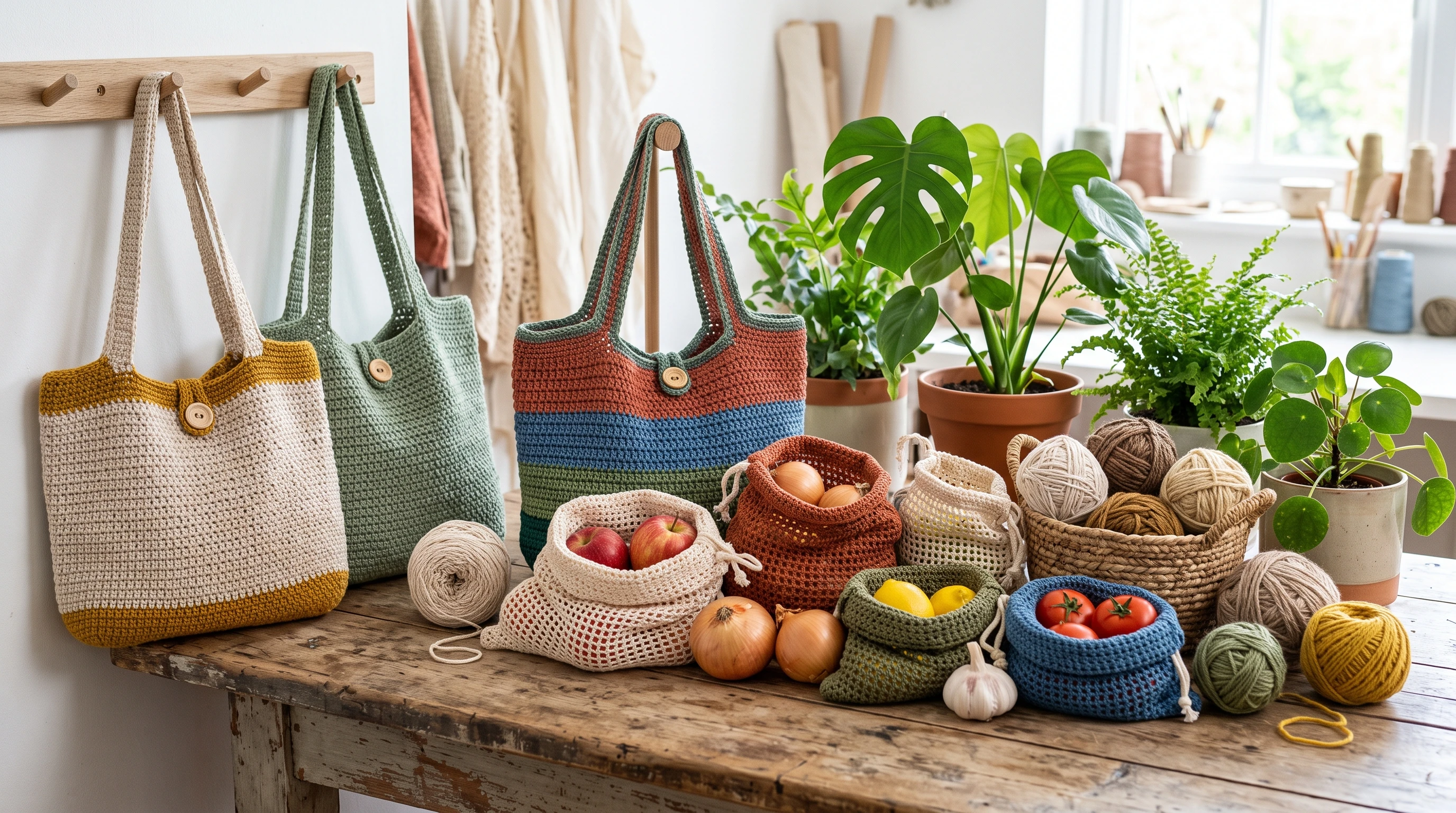
- Market Tote Bags: Roomy, reusable, and perfect for groceries or beach trips. Mesh designs especially catch buyers’ eyes.
- Mini Crossbody Bags: Small bags are trending for quick errands. Vegan leather details or wooden buttons add a fun, natural twist.
- Produce Bags: Sets of lightweight mesh bags for fruit and veggies are a hit with zero-waste shoppers.
- Bottle Carriers: Handy for anyone who brings their own water bottle to avoid plastics. These sling-style holders are picking up steam.
- Foldable Totes: Bags that collapse or tuck into a pouch make great impulse gifts for eco-friendly friends.
The most profitable thing to crochet will depend on your skill level and how much time you want to put in. For most makers, classic tote bags and sets of produce pouches seem to bring in the steadiest sales.
If you’re looking to test trends, try offering a small run of themed designs – like fall or holiday color palettes – or limited edition collaborations with other eco-friendly businesses. These limited-time collections can create excitement and give shoppers another reason to check out your shop.
Ideas for a Profitable Eco Crochet Bag Business
The cool thing about crochet is how flexible it is. Here are some profitable crochet business ideas that I’ve seen really work:
- Themed Bag Sets: Offer bundles in matching colors or with seasonal designs (think holiday or beach vibes).
- Personalized Orders: Add monogramming, custom color combos, or even little charms made from natural materials.
- Wholesale to Boutiques: Reach out to eco-friendly or handmade-focused stores about carrying your bags.
- Digital Patterns: If you’re not into mass-making, consider selling your own crochet patterns and video tutorials for others to follow.
- Event or Gift Bags: Create options for bridal parties, baby showers, or business promos (lots of companies want green swag now).
Another business idea is to team up with local artists or eco bloggers, creating joint products or pop-up events. This not only helps you reach new fans but can make your brand feel like part of a bigger movement toward sustainability.
Overcoming Challenges as a Crochet Business Owner
Like any creative business, there are some bumps when making and selling eco bags. These are the main ones I hear about most often, along with some solutions that work:
- Sourcing the Right Yarn: Eco-friendly materials can get pricey or hard to find. Joining Facebook groups for bulk buying, attending local fiber festivals, and making connections with eco-focused yarn suppliers helps a lot.
- Pricing for Profit: It’s really important not to undercharge. Crocheting is slow work, so tracking your hours and explaining your process on your shop page can help justify pricing. Many sellers share stories or behind-the-scenes videos to connect with buyers and show the real value of handmade work.
- Time Management: Juggling orders, inventory, and marketing gets tough as your shop grows. Setting weekly schedules, prepping materials in advance, and using order management tools can free up a lot of brain space.
- Standing Out Online: Since the eco crochet bag trend is growing, building your brand story and style matters. Sharing eco facts, showing happy customers, or explaining your process helps you connect with buyers and encourages repeat business.
Shipping, Packaging, and Going the Extra Mile
One simple way to boost both your brand and sales is with smart packaging. Makers who use compostable mailers, recycled tissue, and plant-based stickers often get glowing reviews. Some even include a card with instructions for disposing of the bag or packaging, which eco-minded customers love and often share on social media. Adding a personal note or a discount code for future purchases can help build loyalty and keep buyers coming back.
Quick Start Guide for Your Own Eco Crochet Bag Business
- Pick Your Materials: Find a few eco-friendly yarns in colors you like and see how they crochet up.
- Choose Your Signature Bag: Start with a style that’s practical and fun for you, like a market tote, mini bag, or pouch.
- Set Up Shop: Decide if you want to go with Etsy, Instagram, Shopify, or local markets. Make your photos clear and natural.
- Share Your Story: Explain what makes your bags eco-friendly and why handmade matters. Customers want to connect.
- Price Smartly: Calculate material costs and your time. Aim for prices that are fair to you and feel reasonable to buyers.
- Promote Your Products: Use hashtags, team up with eco influencers, and collect feedback. Share visuals of your creative process and even customer testimonials to build trust.
Don’t forget to ask for reviews after each sale and consider setting up a simple website to showcase your products and share your story. Building an e-mail list for special launches or discounts can also help you reach repeat customers.
Frequently Asked Questions About Eco Crochet Bag Businesses
Are crochet businesses profitable?
Yes, many makers find they can turn a solid profit, especially if they use eco-friendly materials, keep costs smart, and use social media to connect with buyers who care about the story behind their purchase.
What is the most profitable thing to crochet?
Reusable tote bags and market mesh bags seem to bring in consistent sales. Sets (like produce bag bundles) do well, and personalized orders can boost profits.
What are some profitable crochet business ideas?
Bundling bags, selling seasonal or themed designs, offering custom orders, and even digital patterns are all great ways to earn. Some sellers find success offering crochet lessons or workshops online, too.
What crochet items are in high demand right now?
Eco tote bags, mini purses, produce bag sets, and bottle holders rank high in demand. Anything that feels unique or handmade for everyday use is likely to sell well.
Why Eco Crochet Bags Are a Smart Handmade Business
Sustainable products are getting more popular, and handmade eco bags let buyers support small businesses while reducing plastic waste. If you enjoy crocheting and want to make some extra cash (or even a living), eco bags are worth checking out. With good materials, a clear story, and some basic business know-how, it’s actually possible to turn your yarn stash into steady income. The growing focus on sustainability and handmade goods means this creative endeavor could be the perfect way to set yourself apart and build a business you’re proud of.