
Crocheting in a way that’s gentle on the planet is both satisfying and rewarding. I’ve found that a little research and thoughtful material choices can make crochet a super sustainable hobby. If you’re curious about how to stitch more responsibly, this guide breaks down what you need to know to reduce waste, pick ethical yarns, and keep your projects eco-friendly from start to finish.
What Does Sustainable Crochet Really Mean?
Sustainable crochet is all about making choices that lower your environmental impact and support ethical practices. This covers everything from the yarn you buy to how you care for finished items. Instead of buying lots of synthetic or low-quality fibers that end up in landfills, you can focus on materials that are renewable, biodegradable, or recycled. Even the tools you use can make a difference, especially when you choose long-lasting, responsibly made options.
Crochet is actually in a pretty good position compared to a lot of mass-produced textiles. When you make things by hand, you’re already sidestepping some of the waste and pollution that come from big factories. But there’s always room to do better, and small changes in your process can add up over time. Little things like using up scrap yarn or making gifts instead of buying new can really reduce your crafting footprint.
Choosing Eco-friendly Yarns and Materials
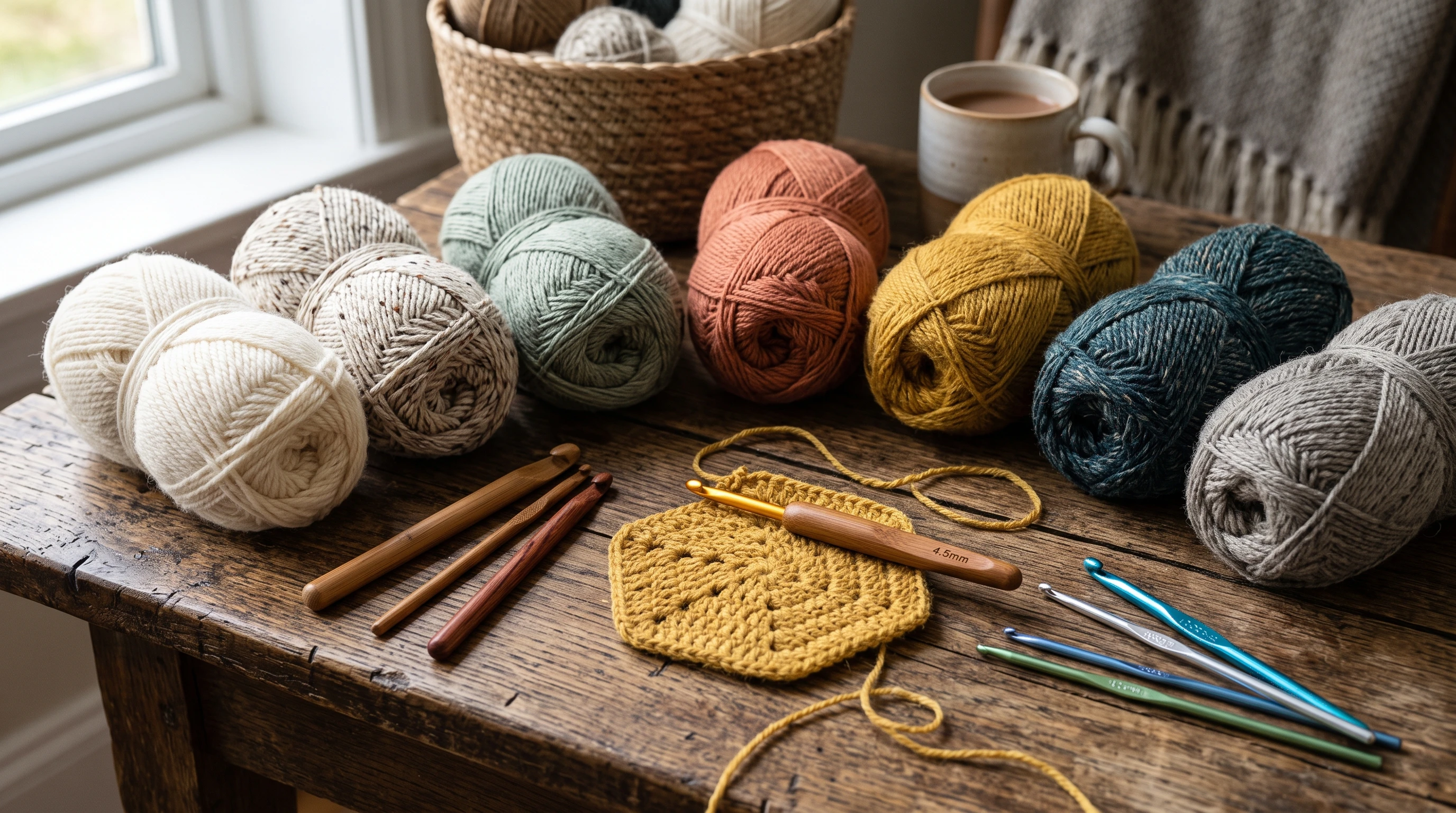
The fiber you pick is a biggie for sustainable crochet. Here are some things I look for when hunting for earth-friendly yarn:
- Natural fibers: Cotton, bamboo, linen, and wool break down a lot more easily than acrylic, polyester, or nylon. Organic cotton or bamboo are popular choices because they’re grown with fewer pesticides and less water. Wool works well as long as it’s from a farm with good animal care practices.
- Recycled and upcycled yarn: You can find yarn spun from recycled clothes, plastic bottles, or other postconsumer materials. There’s also reclaimed yarn from old sweaters. Unraveling thrift store knits is a fun way to give fiber a second life.
- Plant-dyed or undyed yarn: Chemical dyes can leave a heavy mark on the environment. Yarn that’s colored with plant-based dyes (like indigo or madder) or left undyed is a great way to limit chemical runoff.
I often check the label or brand website for info on sourcing and production. Brands like We Are Knitters, LoveCrafts, or Wool and the Gang offer specific lines with clear eco-credentials, which makes things a lot easier when you’re browsing.
What Is the Most Ethical Yarn?
There isn’t a one-size-fits-all answer to what the most ethical yarn is, but some options stand out for their people- and planet-friendly practices. Organic cotton made with fair trade standards is a strong pick because it cuts down on harmful chemicals and usually supports healthier working conditions for farmers. Merino or alpaca wool from small, local, or certified humane farms gets a lot of love from crafters who care about animal welfare.
There’s also Tencel (or lyocell), a fiber made from wood pulp using a closed-loop process, meaning nearly all the chemicals and water are reused. It’s super soft and smooth, so it’s worth checking out if you want something new.
When I’m not sure, I go for yarns that have Global Organic Textile Standard (GOTS), OEKO-TEX, or Fair Trade certification on the label. These tags mean the yarn meets some pretty strict rules for environmental safety and worker rights.
How Sustainable Crochet Practices Can Lower Your Impact
Crochet becomes way more eco-friendly when you use smart practices as you go. Here are a few of my favorite tips:
- Use up leftovers for granny squares, scrappy projects, or small accessories.
- Buy only as much yarn as you need, so you don’t end up hoarding tons of unused skeins.
- Repurpose failed projects or old garments instead of tossing them.
- Give gifted or finished items a second life through mending or donating.
- Pick quality tools (like metal or bamboo hooks) that you’ll use for years.
I keep a bin of tiny yarn scraps to use as stuffing for plushies or eco-friendly cleaning pads, which extends the life of materials that might otherwise end up in the trash. It’s small, but it feels good to waste less. Plus, it sparks creativity.
Does Crocheting Lower Cortisol?
Yes, crochet is linked to lowering stress hormone levels, including cortisol. While I’m not a medical expert, plenty of people (myself included) find crochet relaxing and even meditative. Research supports this. Activities that involve repetitive motions and creativity, like crocheting or knitting, can help reduce anxiety and promote a sense of calm.
One published study from the field of occupational therapy found that fiber arts hobbies provide measurable mental health benefits, such as decreased anxiety and improved overall mood. So crocheting isn’t just good for your hands. It can also boost your overall wellbeing.
Is Crochet Good for People With ADHD?
Crochet is actually pretty popular with people who have ADHD. From my own experience chatting with fellow crafters, many say crochet helps them focus, calm their minds, and reach a state of “flow” (that’s when you’re zoned in on a task and everything else just fades away). Projects with repeatable patterns or clear goals can provide a structured outlet for restless energy.
Crocheting can also give hands something productive to do during meetings, podcasts, or casual conversations. This kind of tactile hobby falls into the category of “fidgeting with a purpose,” helping some folks feel grounded. That said, everyone’s experience is unique, and it’s always a good idea to pay attention to what feels motivating and manageable day to day. There are even online support groups and forums, like the r/crochet subreddit, where lots of neurodivergent crocheters share tips and encouragement.
Easy Steps for Sustainable Crochet Beginners
Getting started with sustainable crochet isn’t complicated or expensive, and you don’t need to overhaul everything at once. Here’s a quick pathway I recommend:
- Start with the yarn you already have. No need to toss your stash. Use it up and plan new eco-friendly purchases when you run low.
- Look for thrifted or reclaimed materials. Thrift stores often have surplus yarn and reusable garments begging to be unraveled.
- Research local fiber artists or small farms. Supporting folks in your area keeps your carbon footprint lower and often gives you insight into how the fibers are produced.
- Share patterns and ideas. Free pattern libraries and community swaps help you avoid buying new and support a culture of reuse.
- Mend, repurpose, or recycle your projects. Get creative with repairs or gifts so nothing goes to waste.
Common Issues Crocheters Face When Being Sustainable
I’ve hit a few stumbling blocks along the way, and I know others do too. Here are the main ones and how I handle them:
- Cost: Some organic or artisan yarns are pricier than the big box acrylic stuff. I treat specialty yarns as a splurge for small or meaningful projects, then do my everyday pieces with upcycled fiber.
- Limited selection: Eco yarns are getting more popular, but colors or weights can sometimes be hard to find. That’s where online shops and local farm networks can really save the day.
- Durability concerns: Some natural fibers wear out faster. Blending or reinforcing the yarn, or choosing the right fiber for the right project (like tough hemp for baskets, soft merino for hats) helps keep everything lasting longer.
Frequently Asked Questions
How can crochet be sustainable?
Crochet becomes sustainable when you pick reusable or biodegradable materials, waste less, buy less new stuff, and reuse or recycle finished items. Choosing yarns made with ethical, eco-friendly practices goes a long way, too.
What is the most ethical yarn?
Yarns that are organic, fairly traded, animal welfare certified, or recycled are generally considered the most ethical. Look for third-party certifications and transparent supply chains.
Does crocheting lower cortisol?
Yes, repetitive, creative activities like crochet have been shown to reduce stress, lower cortisol, and improve mood, according to several research studies.
Can people with ADHD crochet?
Crochet is often helpful for folks with ADHD. The focused, repetitive nature of crochet can boost concentration and provide a soothing outlet for restless hands and minds.
Extra Tips for a Greener Crochet Routine
I try to keep my crochet extras as green as my yarn. Wooden, bamboo, or recycled plastic hooks last ages. Project bags from old fabrics or upcycled containers make great storage. When blocking or finishing, skipping harsh chemicals and using gentle soaps pays off for you and the environment.
It’s easy to get caught up in pretty yarns and new gadgets, but making thoughtful choices about what you buy and how you use your materials is really important. Sustainable crochet isn’t just about the finished piece. It’s about enjoying the process and leaving less impact as you go. Every stitch counts!