

Crochet bags aren’t just beautiful; they’re also pretty unique in how you need to care for them. Whether you’ve spent hours making your own or grabbed an eye-catching design from a local artisan, these bags deserve a bit of attention so they last and look great season after season. Over the years, I’ve picked up plenty of handy tricks for keeping crochet bags clean, maintaining their shape, and protecting them from everyday wear and tear. Here’s my all-in-one guide to caring for your crochet bag, from storage and cleaning to helpful protection tips that keep it looking next-level cool.
Why Crochet Bag Care Matters
Crochet bags are made from yarn or thread, and they’re often more delicate than regular fabric bags. A little bit of extra care helps keep them looking fresh, ensures they last longer, and preserves all those eye-catching details that drew you in from the start. I’ve seen many gorgeous pieces lose their spark just because they weren’t kept clean or protected from snags and stretching. Simple habits truly make a big difference when it comes to bag longevity and appearance.
How to Care for a Crochet Bag: The Basics
The material—cotton, acrylic, wool, or a blend—may require a different care routine, so always check the manufacturer’s specific washing instructions. Here are the main points I always stick with:
- Spot Clean When You Can: For small stains or dirt, a gentle hand wash in the affected area works best. Use cool to lukewarm water and a tiny bit of mild soap.
- Hand Wash for a Deeper Clean: Fill a sink or basin with cool water and mild detergent. Gently submerge the bag and press it lightly. Let it soak for about 10-15 minutes. Swish it around, but avoid scrubbing. Rinse thoroughly with cool water.
- Avoid Rough Rinsing: Agitation can stretch or deform the stitches. Roll your bag in a towel after washing and gently press to remove water. Don’t wring—it’s really important to keep that original shape intact.
- Lay Flat to Dry: Take time to reshape the bag, especially the handles and corners. Air dry it flat on a clean, dry towel, away from direct sunlight or heat sources that could shrink or fade the colors.
Check out this in-depth care guide for crocheted items on Craftsy if you want extra cleaning tips for different yarn types.
How to Protect Your Crochet Bag from Damage
Crochet bags tend to catch on sharp objects and can lose their shape if overloaded. I’ve learned to be a little choosy about what I put inside. Here’s what helps protect against snags and premature wear:
- Use a Fabric Lining: Many handmade bags come lined, but if yours isn’t, adding a light cotton lining can keep your bag from stretching. It also prevents small items (like keys and pens) from poking through.
- Watch What You Carry: Stick with lightweight to moderate loads. A crochet tote packed with heavy books or sharp-edged items can lose its form or even rip.
- Keep Your Bag Away from Velcro and Jewelry: Anything with hooks or rough edges is basically a snag waiting to happen.
- Spot Check Regularly: Look for loose threads or small holes. Catching problems early makes repairs easier and keeps the bag looking sharp.
- Store Properly: When not in use, empty the bag, stuff it with tissue or fabric to help it keep its shape, and store it in a cotton pillowcase. This method keeps dust away and blocks out sunlight that could fade its color.
If you live in a humid area, toss in a little silica gel packet with the bag to help prevent mildew from growing.
How Long Do Crochet Bags Last?
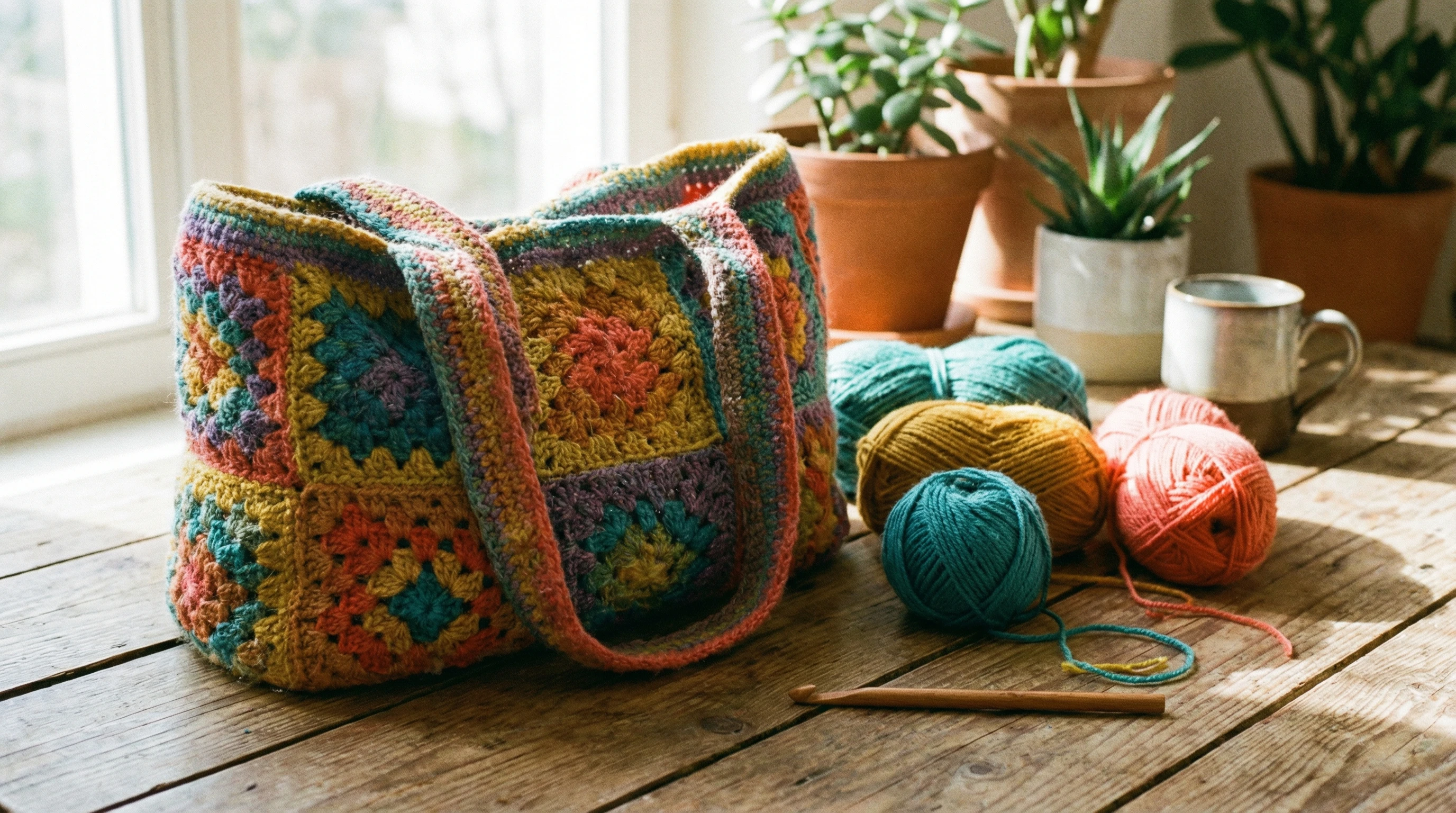
The lifespan of a crochet bag hangs on how often you use it and how much care you put in. Bags made from sturdy cotton yarn with a tight stitch and a good lining can easily go strong for several years with gentle use. I have a cotton granny square tote from a thrift store that’s been going for over seven years, thanks to regular, careful use and seasonal cleaning.
With delicate yarns—like silk blends or loosely crocheted patterns—you’ll want to use them for special outings, not everyday errands. Gentle cleaning and mindful storage truly make a difference. If a bag starts looking a little worn, adding a new lining or darning up any loose areas can extend its life span by a lot.
How Do You Care for All Crocheted Items?
Even if you’re primarily interested in bag care, these tips apply to other crocheted items such as hats, blankets, and accessories. Here are my golden rules:
- Always check yarn labels before washing if you can.
- Hand wash with mild detergent unless the yarn says it can be machine washed (and even then, use a gentle cycle in a mesh bag).
- Reshape wet crochet items before laying them out to dry.
- Keep them stored out of sunlight to avoid color fading.
- Fix snags, small holes, or unraveling stitches quickly—handling issues right away keeps them small and easy to manage.
Taking time for little precautions keeps all your crocheted favorites looking their best. For even more details, trusty resources like Yarnspirations’ care instructions offer extra help depending on your fiber type.
Smart Tips for Dealing With Common Crochet Bag Issues
- Bag Losing Its Shape? Carefully reshape after dampening with a spray bottle of water and letting it air dry flat. Adding a lining or using a bag organizer insert can help the bag keep its structure next time.
- Straps Stretching Out? Try reinforcing them with a ribbon or lightweight cord stitched along the inside.
- Color Fading or Bleeding? For the first clean, always wash new bags separately, especially if the yarn is brightly colored or handmade. Keep the bag out of direct sunlight for long periods to avoid fading.
- Noticing Musty Smells? If your bag comes out of storage with a stale odor, let it air out in a breezy spot (away from direct sun) and tuck in a lavender sachet or some baking soda for freshening.
Being proactive with repairs and prevention keeps your bag looking just-made and ready for any outfit or occasion. And if you run into more complicated bag issues, don’t hesitate to ask local crochet groups for help or to get creative with small additions—like a new button, patch, or even a little embroidery—to give an old bag a new look.
Choosing the Right Crochet Bag for Easy Care
If you’re still deciding which crochet bag to buy or make, some smart choices now can save you time and effort later. Heavier yarn, dense stitches, and sturdy linings usually mean you won’t have to worry too much about stretching, shape, and snags. Light colors show stains and everyday wear faster, while dark or variegated yarns tend to look newer for longer.
- See if the bag is lined for extra structure and stability.
- Pick cotton or acrylic yarn for the most straightforward cleaning.
- Go for a style with simple construction if you’re new to maintenance.
Spending a little extra time upfront to pick a low-maintenance crochet bag pays off every time you use it. And remember, choosing the bag that fits your lifestyle not only makes future care easier, but also ensures you’ll actually want to carry it often.
Frequently Asked Questions
How do I clean a crochet bag with a delicate pattern or embellishments?
If your bag has buttons, beads, or delicate lace inserts, spot clean around those areas and avoid soaking them for too long. Use a soft brush for dust, and hand wash gently everywhere else.
Is it safe to machine wash a crochet bag?
Nine times out of ten, I hand-wash. If the yarn is tough and the bag has a strong lining, try a wash bag and a delicate cycle, but always double-check that nothing inside can snag. When things are in doubt, stick with hand washing.
What kind of soap is best for hand washing crochet bags?
Use a mild, unscented detergent or a gentle baby shampoo. Stay away from harsh cleaners, bleach, or anything strong that could break down yarn fibers.
My crochet bag is starting to pill. What helps?
A fabric shaver or a fine-tooth comb gets most yarn pills out. Work slowly with gentle strokes and avoid pulling or tearing.
Wrapping Up
Caring for a crochet bag isn’t complicated, but a little patience and a few simple habits make all the difference. Keep cleaning gentle, avoid sharp objects, store your bag out of the sun when possible, and fix repairs as soon as you spot them. With the right kind of attention, your crochet bag can become a reliable favorite that lasts through seasons, errands, adventures, and plenty of compliments—maybe even for years to come.