
Supporting small business yarn suppliers is one of the most impactful moves you can make as a crafter. Yarn shops run by small business owners often bring in unique fibers, hand-dyed skeins, and a real personal touch that bigger retailers just can’t match. While there’s a lot of buzz about giant craft chains, local and online indie yarn businesses play a big part in keeping the fiber arts community lively, creative, and accessible. I’m excited to share why these businesses matter, how to get started supporting them, practical tips for choosing yarn, and answers to those yarn-related questions that pop up all the time.
Why Small Business Yarn Suppliers Matter
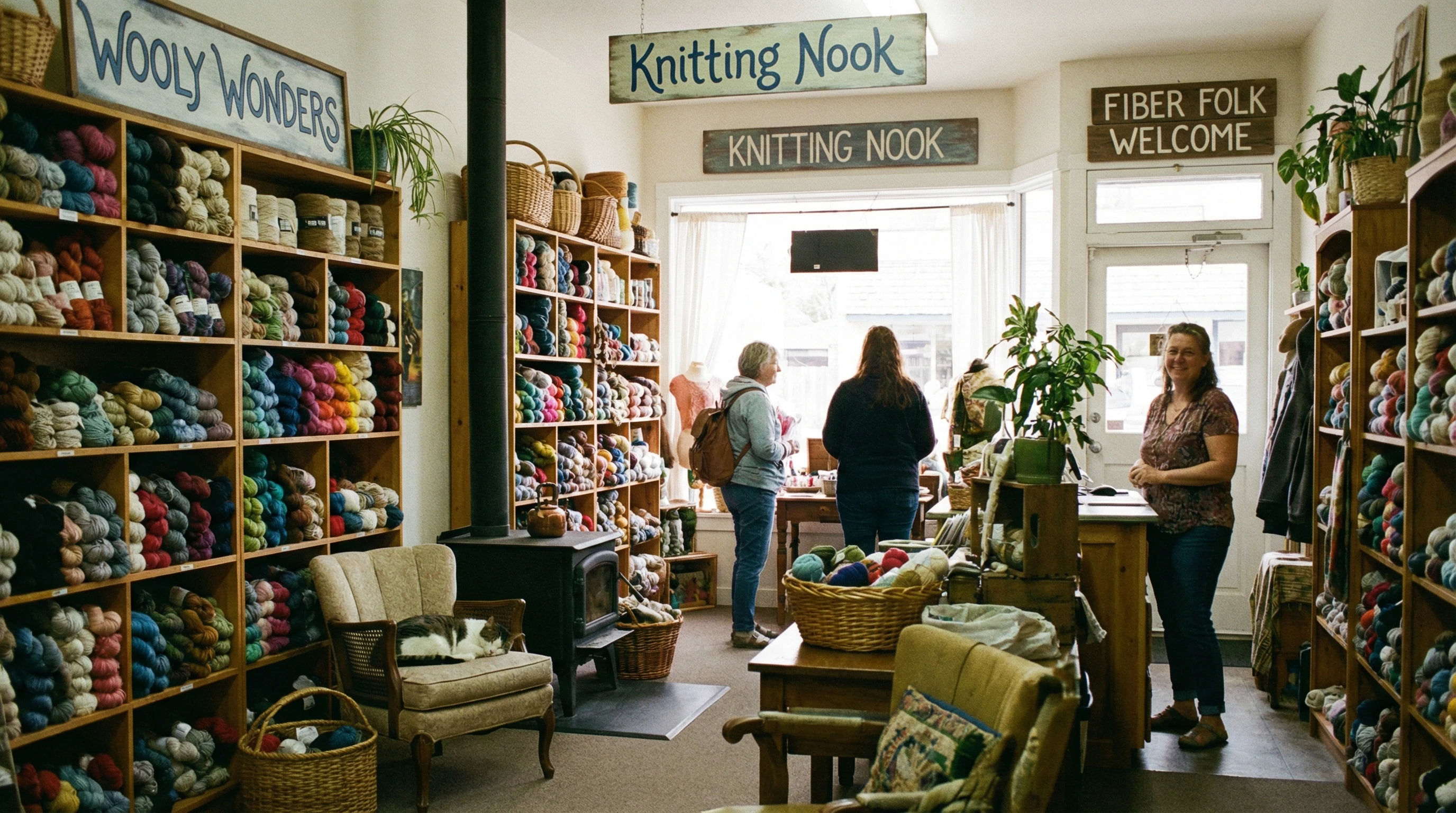
Small yarn shops offer more than just a place to grab a skein. Most of the time, you’ll find a carefully chosen selection with some pretty cool surprises you won’t see at big box stores. Many local shop owners take time to get to know their customers and are happy to offer advice on everything from fiber content to color combinations. You also support real people’s dreams by shopping small, and your money helps these shops grow and continue bringing new and inspiring yarns to market.
This approach isn’t just about shopping; it’s about supporting your local economy. Every purchase helps pay staff, funds new products, and, often, supports events and workshops that build community. Plus, you frequently receive a higher-quality product and more personalized support. Supporting these shops, whether in person or online, helps keep the entire fiber arts scene welcoming and inclusive, boosting creativity at every level.
It’s also worth noting that buying from small suppliers allows you to stumble upon unusual breeds of wool, unique colorways that absolutely pop, or eco-conscious yarns that might be hard to track down anywhere else. With each purchase, you help keep these innovative products in circulation and encourage small businesses to keep developing new products for fiber fans.
Understanding the Yarn Market
The global yarn market is vast and diverse. If you’re wondering who is the largest producer of yarn in the world, China currently takes that title. China plays a significant role in the supply chain for many types of yarn, especially cotton, acrylic, and synthetic blends, which end up in everything from cheap craft-store balls to high-end designer knitwear. India is another major player, particularly in natural fibers such as cotton and silk. Still, the indie and small-batch scene is growing rapidly, bringing healthy competition and creativity to your yarn choices.
Most small-business yarn suppliers source their products from global markets but often add something unique, such as hand-dyed colors, spinning local wool, or partnering with local fiber farms. This means you get an exceptional experience with each purchase, and your project feels even more personal. When you find your way through an indie shop’s selection, it’s common to spot yarns with backstories—like wool from a nearby farm or handpainted colorways inspired by the owner’s neighborhood. These little touches make the crafting adventure feel even more meaningful.
Shopping Tips for Supporting Small Yarn Businesses
If you’re new to buying yarn from small suppliers, it’s pretty handy to know how to make the most of your money and support shops that line up with your style. Here are some things I keep in mind that make the experience smoother:
- Quality Over Quantity: Small shops often offer premium and specialty yarns, so it’s better to pick something you really love rather than buy in bulk just for the discount.
- Ask Questions: Don’t hesitate to ask about fiber content, washing instructions, or where the yarn comes from. Shop owners usually love sharing the story behind their products.
- Try Something New: Local shops are the best place to explore new fibers and indie dyers you won’t see at the major chains. You might stumble upon linen blends, bamboo yarns, or next-level cool hand-dyed variegated skeins you never imagined existed.
- Sign Up for Classes or Events: Many shops offer workshops, knit nights, and community meetups. It’s great for skills and making new yarn friends.
This approach helps you maximize value while directly supporting businesses that reflect your values and interests. By interacting directly with shopkeepers, you also make it easy for yourself to gain project inspiration, troubleshooting tips, and ideas you might not get at bigger retailers.
Getting Started with Indie and Local Yarn Shopping
Exploring indie yarn shops doesn’t have to be intimidating, even if you’re used to the setup at big retailers. Most of these shops thrive on building community and sharing their excitement about fiber arts. An easy way to get started is to visit a local yarn shop or browse independent yarn businesses online. Looking through their Instagram or website usually gives you a good sense of the kind of products and experience they offer.
- Make a Small Purchase: Grab a single skein or a miniskein set if you want to test out their yarns without making a big investment. It’s a great way to check out a new fiber or color before you commit.
- Sign Up for Newsletters: This usually gives you a heads up about sales, new arrivals, or upcoming classes; some even send out free patterns or exclusive discounts for subscribers.
- Share Your Experience: Posting about your yarn finds on social media and tagging the business is a great way to spread the word. Your post might be featured and drive more customers to the shop.
Even if you aren’t local, many indie yarn shops ship worldwide and love welcoming new customers from all over. And if you ever pass through a new city, ask local crafters for recommendations on which shops to check out. Digging into a fresh knitting community can lead to fantastic discoveries you hadn’t expected!
Spotlight: Notable Small Yarn Businesses
Some indie yarn companies have built pretty impressive reputations in the crafting community. For example, Purl Soho is a beloved shop based in New York City that’s known for its curated yarn selection, beautiful patterns, and friendly customer support. As of the last check, yes; Purl Soho is still in business and continues to serve the knitting and crochet world both in their physical store and online.
Another shop worth tracking down is Brooklyn Tweed, which focuses on American wool and modern, approachable patterns. Then there’s Wool & Honey in Michigan, which has become a go-to destination for Midwest knitters and regularly stocks yarns from indie dyers. Shopping from these and other communitydriven companies keeps exciting supplies and ideas flowing for everyone in the fiber world.
There are also talented dyers running online storefronts, such as Madelinetosh with its vibrant tones, or Malabrigo offering soft and beautifully colored merino yarns. Exploring small-scale dyers through Etsy or Instagram helps keep your craft shelf full of unique finds and helps these creators thrive.
Things to Consider When Buying Yarn from Small Suppliers
While supporting small yarn businesses is rewarding, there are a few things that make the process smooth and satisfying:
- Lead Time for Shipping: Many indie dyers and shop owners hand-dye to order, so shipping might take a bit longer compared to Amazon or big-box stores. Plan your projects with a little buffer time just in case and be patient, knowing your special yarn is getting extra care.
- Unique Dye Lots: Yarn is often hand-dyed in small batches, and color can vary. If you’re making a larger project, try to order enough from the same dye lot or ask if color matching is possible.
- Cost Per 100 Grams: One question that comes up is, “How much is 100 grams of yarn?” Prices really vary based on fiber, dye process, and brand. For hand-dyed or premium fibers, you might pay anywhere from $20 to $40 (USD) per 100 grams. Commercial yarns can be cheaper, but you’re less likely to find the same character and care.
- Return and Exchange Policies: Smaller shops tend to have different return policies. It helps to double-check, especially if you’re buying sight unseen online. Some may offer exchanges or store credit rather than full refunds.
All these factors just mean you get a more personal, tailored experience, and you’re more likely to end up with yarn you truly love working with. If you’re unsure, don’t hesitate to check in with the shop before placing your order. They’ll appreciate your attention and be able to say it clearly if a certain yarn is the best choice for your project.
Making the Most of Your Yarn Stash
Once you start building your collection with yarns from small businesses, it’s smart to organize your stash so you know what you have on hand. I keep a catalog (physical or digital) with details such as fiber content, colorway, dye lot, and source. This turns out to be super useful when starting new projects or swapping with other knitters and crocheters. Swatching before casting on a big project is a great way to see how your yarn behaves, especially since indie yarns can act a little differently than mass-produced versions.
Connecting with other crafters, either online or through your local shop, gives you ideas for how to use up leftovers and odd skeins. Many small businesses also host “stash buster” events where you bring your yarn and swap with others. These gatherings help ensure that even your smallest scrap of unique yarn finds a new home and brings joy to someone else’s knitting or crochet adventure.
If you want to let your creativity shine, try mixing and matching hand-dyed and commercial yarns in one project. The subtle shifts in texture and color can really make your work pop! Don’t be afraid to experiment, and remember: sometimes yarn that looked ordinary in the skein absolutely comes alive once you start stitching.
Frequently Asked Questions About Yarn and Small Businesses
Supporting small-business yarn suppliers leads to extensive yarn discussion. Here are a few answers to questions that pop up often:
Who is the largest producer of yarn in the world?
China is currently the world’s largest producer of yarn, particularly for cotton and synthetic fibers.
Is Purl Soho still in business?
Yes, Purl Soho is still in business and continues to serve knitters and crocheters, both online and in person, from its New York City home base.
How much is 100 grams of yarn?
Depending on the fiber, dye process, and whether it’s handdyed or commercial, 100 grams of yarn can range from $3 (for standard acrylics) up to $40 or more for luxury indiedyed merino or blends.
Which is the best yarn company?
Picking the “best” yarn company really depends on your personal preferences. Some people love Malabrigo for their blend of affordability and rich colors. Others prefer Madelinetosh for their luxury handdyed skeins, or Brooklyn Tweed for ethical sourcing and homegrown wool. For the best local and indie experience, brands like Purl Soho, Wool & Honey, or your nearest neighborhood yarn shop are definitely worth exploring.
Keeping the Fiber Community Creative and Strong
Shopping with small business yarn suppliers isn’t only about finding stunning fiber (even though that’s definitely a perk). It helps support a thriving, creative community and brings new talent into the spotlight. You also contribute to the sustainability and vibrancy of the fiber arts, ensuring that yarn lovers everywhere have exciting options for years to come. When you spend your dollars with a small business, you help passionate artists and entrepreneurs keep the magic alive for the next generation.
Next time you’re browsing for yarn, take a few minutes to check out what indie and small business suppliers have to offer. Chances are, you’ll find something you absolutely love, learn a new skill, and connect with fellow fiber fans in the process. Supporting these creative businesses means your next crafting adventure will be even more special.