
Crochet projects feel so much cozier and more thoughtful when you know exactly where your yarn comes from. Lately, more makers are seeing the perks of using local sustainable materials for crochet. The benefits go way beyond just being trendy. Using local resources can be kinder to the planet, your wallet, and even the people in your community. I’ve been experimenting with a bunch of local fibers, and I’ll break down everything you need to know about why it’s worth giving them a try.
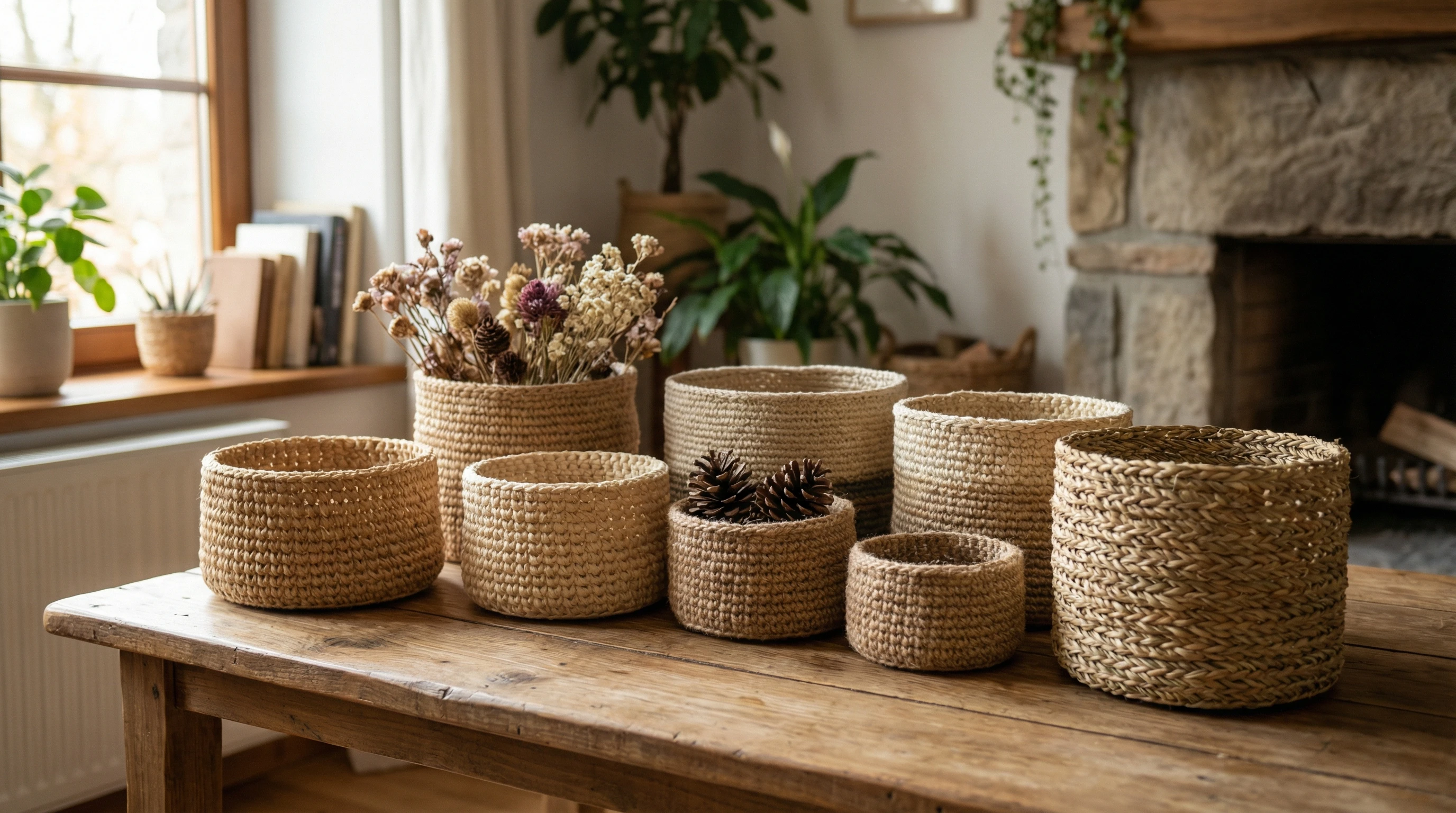
What Makes Local Materials Worth It?
Getting your crochet yarns and fibers from local sources comes with a handful of advantages that you just don’t get from mass produced materials shipped halfway across the world. Besides feeling awesome about shrinking your carbon footprint, you get higher quality products and support your local economy at the same time.
Crocheters who swap in regionally grown wool, cotton, alpaca, linen, or even plant based yarns usually notice a difference right away. Here are a few good reasons why:
- Lower Environmental Impact: Less fuel is wasted on shipping and transport, which means fewer fossil fuels burned, less pollution, and reduced packaging.
- Supporting Local Farms and Makers: Your money stays closer to home, which is really important for small producers.
- Unique Textures and Colors: Local breeds and heirloom plants can create yarns you can’t get anywhere else. Some yarn shops even sell undyed yarn, so you get the natural shades direct from the animal or plant source.
- Traceability and Transparency: It’s easier to learn about how the animals are raised or how the fibers are processed. You might even get to visit the farm or mill.
- Higher Quality and Freshness: Local materials are usually processed in smaller batches, leading to better attention to detail and fresher fibers.
Crocheting with locally sourced yarn or fiber just feels different. I’ve found my stitches are more consistent, and it’s nice knowing there’s a real story behind every skein. There are plenty of other benefits too, such as knowing your materials didn’t travel thousands of miles to reach you, which gives each project a sense of place and purpose. Knowing this little detail truly makes your finished items feel even more special.
The Benefits of Crochet Products
Crocheted items aren’t just pretty to look at. They’re practical, long lasting, and super flexible in terms of design. Making things by hand, especially from local materials, gives each piece a totally unique vibe. Here’s why handmade crochet stands out:
- Durability: Crocheted pieces can last for years with the right care. Natural, locally made yarns often make pieces even tougher.
- Custom Design: You have control over colors, styles, and textures, so each project fits your taste perfectly.
- Comfort and Warmth: Natural fibers tend to breathe better and feel softer against the skin.
- Gift Ready: Handmade crochet pieces make amazing gifts since they’re personal and meaningful.
- Creative Joy: The act of crocheting itself is relaxing and gentle on your mind, especially when you know you’re making thoughtful material choices.
When local, sustainable materials come into play, these benefits only get better. I once made a snuggly wool hat from a neighbor’s sheep wool, and it felt like the coziest project I’ve ever completed. The satisfaction of giving a handmade item, knowing every aspect supports local sources, brings even more joy to both the maker and recipient. Plus, there’s a kind of creative spark that comes from choosing unique local yarns, which might inspire you to try new patterns or stitch combinations you hadn’t considered before.
How to Make Crochet More Sustainable
Sustainability in crochet is all about making thoughtful choices that support the health of the planet, people, and production processes. If you’re curious about easing your environmental impact, it’s not hard to get started. Here’s what I’ve learned from trying to crochet more sustainably:
- Start With Local Fibers: Choose yarn made from fibers produced close to home, such as wool, cotton, linen, hemp, or even recycled fabric strips.
- Check for Natural Dyes: Whenever possible, look for yarns colored with low impact, plant based, or natural dyes.
- Reduce Waste: Use up your scraps for small projects or patchwork items, donate leftover yarn, or join local swap groups.
- Support Responsible Suppliers: Talk to your local yarn shop or fiber artists about sourcing practices. Many are happy to explain where and how their yarn is made.
- Make Reusable Items: Crochet bags, cloths, wraps, and cleaning pads that help cut down on disposable products at home.
- Repurpose Old Projects: If you have old crocheted items that no longer serve their purpose, unravel them and reuse the yarn for something new. This gives the materials extra life and reduces waste.
Trying even one or two of these makes a difference. Honestly, just slowing down and enjoying the process has made me appreciate how much goes into every skein and stitch. Be on the lookout for workshops or community events that focus on sustainability in crafts, as they can provide helpful tips, techniques, and ways to connect with other crafters on the same path.
Sustainable Materials: Why They Matter
There’s growing attention on the impact of textiles and crafting on the environment, including crochet. Making the effort to use sustainable materials is really important for a few reasons:
- Healthier for the Planet: Sustainable fibers tend to use less water, fewer chemicals, and create less pollution during cultivation and processing.
- Animal Welfare: When you choose locally sourced wool or alpaca, there’s often more visibility into how animals are treated. This transparency can lead to higher ethical standards in the industry.
- Fair Wages and Local Jobs: Sustainable local producers usually pay fairer wages and work under safer conditions, helping to boost local economies.
- Fewer Microplastics: Plant and animal fibers break down naturally, so there’s less long term waste and fewer microplastics entering waterways compared to synthetic yarns.
- Promoting Heritage Techniques: Supporting local materials often means supporting traditional fiber arts and agricultural methods that might otherwise fade away. This keeps valuable craftsmanship alive for future generations.
For those new to sustainable crafting, the Fibershed movement is worth checking out. Their focus is on creating local textile ecosystems, and they’re packed with tips and resources for getting started. Following their recommendations or joining a local fibershed-inspired group makes sustainability feel less intimidating and much more approachable.
Choosing the Right Local Materials
Local options can vary depending on where you live, but most areas have at least one or two small farms, markets, or independent dyers who supply awesome sustainable fibers for crochet. Here are some common choices and what I’ve noticed when working with them:
- Sheep Wool: Cozy, warm, slightly elastic, and usually easy to find if you’re near farmland. Great for hats, mittens, and sweaters. Some breeds produce interesting natural colors, which adds a fun twist to your projects.
- Alpaca: Extra soft and lightweight, with a smooth finish that feels great for scarves or shawls. Supports alpaca farms directly and is especially useful in cooler climates since it’s warmer than wool for its weight.
- Cotton: Wonderful for summer projects like market bags or bath cloths. Check for organic or heirloom varieties. Cotton is durable, washable, and comfortable for everyday use.
- Linen and Hemp: Naturally sturdy and strong; plus, these plants don’t demand much water and often grow well without pesticides. They’re ideal for home goods and long-lasting accessories.
- Recycled Yarn: Some local mills or crafters create yarn from leftover garments or fabric scraps. This is super handy for upcycling fans and helps reduce textile waste considerably.
- Plant-Based Yarns: Depending on your region, you might find options like bamboo or nettle fiber, both of which offer unique textures and eco-friendly credentials.
Shopping at local yarn stores, nearby farmers’ markets, or artisan fairs is a good way to meet sellers and hear the story behind the materials. I find having this background knowledge gives a project extra meaning and makes every gift or wearable piece even more special. It’s also an opportunity to build lasting relationships with community makers who may inspire you with new ideas or exclusive yarns.
Troubleshooting Common Crochet Challenges With Sustainable Fibers
Crocheting with local, sustainable materials sometimes comes with little quirks that mass market yarns don’t have. I’ve had a few bumps along the way, so here’s what to keep in mind:
- Irregular Thickness: Handspun or small batch yarn might not be perfectly uniform, making tension tricky. Adjusting hook sizes can help even things out.
- Limited Dye Lots: Natural dyes and small runs mean colors might not match 100% between skeins. Mixing skeins as you work helps blend minor variations.
- Slight Shedding: Some natural yarns (especially alpaca) will shed a little at first, but a light wash before using often solves this.
- Availability: Local yarns might not be as widely available as big brands, but connecting with fiber artists online or through craft markets helps build new connections.
- Caring for Fibers: Because many sustainable fibers are untreated or only gently processed, always check care instructions. Gentle washing, laying items flat to dry, and storing them away from direct sunlight will keep your projects looking their best.
None of these have ever been real deal breakers for me, but it’s good to keep them in mind so the final piece turns out just the way you want. Having patience and being open to learning about your materials helps you sidestep frustration—and often leads to new discoveries in your crochet adventure.
Frequently Asked Questions About Sustainable Crochet
As more people explore local and sustainable yarns, a few common questions pop up. Here are some of the ones I hear most often:
Question: What local materials work best for beginner crocheters?
Answer: Soft, lightly spun sheep wool or cotton from local producers is usually the easiest to use. It’s usually forgiving when learning new stitches and holds up well to repeated handling.
Question: How can I be sure a material is really sustainable?
Answer: Ask your seller about their farming practices, look for certifications, or check out resources online like those from Fibershed or local agricultural groups. Don’t be afraid to ask how the animals are treated or how the crops are grown.
Question: Are sustainable, local yarns more expensive?
Answer: Prices can be higher per skein, but you often get better durability and more unique colors or textures. Plus, you know you’re supporting fair pay and practices, and sometimes local artists will provide smaller sample skeins or discounts if you buy in person.
Question: Can I still use patterns from larger brands or magazines with local, sustainable yarns?
Answer: Definitely! Just be sure to check the gauge and yardage, then adapt as needed. In fact, using local yarns with familiar patterns is a great way to experiment and see the differences firsthand.
Getting Started With Your Next Sustainable Crochet Project
Local sustainable materials for crochet are worth checking out if you want meaningful, environmentally friendly projects that make you and your community feel good. Picking up that skein from your neighborhood yarn store or chatting with a local fiber artist can be just the switchup your crochet routine needs. It’s easier than you might think, and once you get started, you’ll notice your crochet projects are more personal than ever—while also doing a little good for the planet.