

Crocheting a piece is really rewarding, but getting a polished final look relies on the finishing touches. Even the best stitches and patterns can lose their charm without the right finishing techniques. Finding the best ways to secure, shape, and add those last details helps every project turn out neat and ready for long-term use or gifting. So, here I’ll share the go-to methods, pro tips, and easy tricks I use to help give any crochet project that nice, tidy finish.
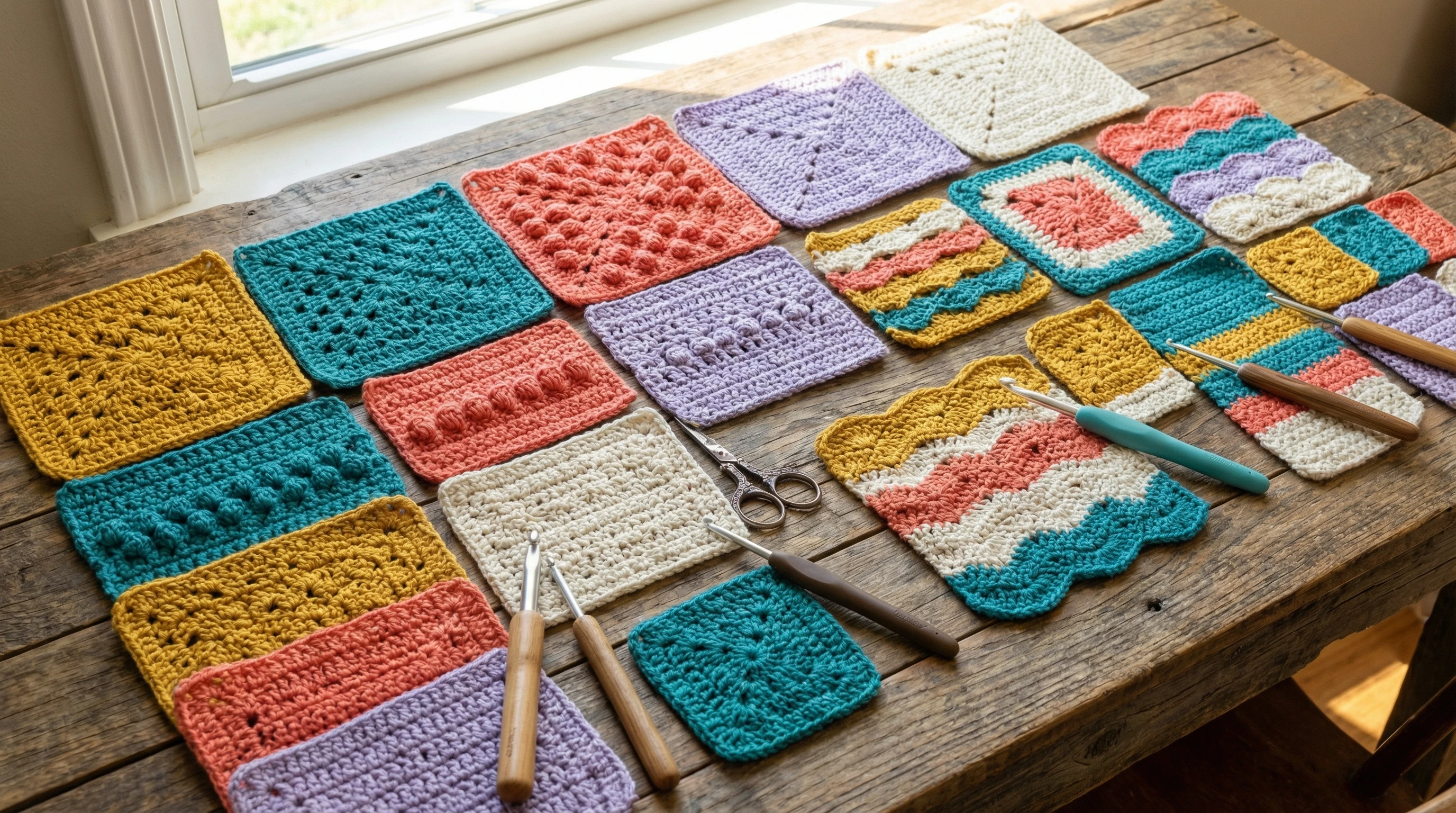
Key Finishing Techniques for Crochet Projects
Finishing a crochet project goes way beyond clipping off your yarn. It’s all about making your work look as clean and sturdy as possible. Finishing techniques help your piece lay flat, last longer, and look more professional.
Understanding these techniques helps you plan your project with confidence. The steps you use at the end, like weaving in ends or adding a border, can affect your whole design. Many people find that blocking, neat sewing, and the right border add just the right touch to make their pieces giftready or great for daily use.
The art of finishing in crochet isn’t something that only advanced crocheters use. Anyone can tidy up their work with some easy methods, no matter what type of yarn or project size you’re using.
How to Finish Your Crochet Project: Step-by-Step
The finishing process is pretty straightforward, but each step matters. Here’s a walkthrough I like to follow when wrapping up my crochet:
- Weave in the Ends: Cut your yarn, leaving a 6inch tail. Thread that tail on a yarn needle and weave it back and forth through the last few stitches. This prevents unraveling and hides the yarn.
- Fasten Off Securely: After finishing your final stitch, make a chain, pull the yarn tail all the way through, and tighten the knot gently. This locks in your work and avoids loose ends.
- Block If Needed: Soak or spray mist your piece, lay it flat, and pin in place to shape. Let it dry fully so the stitches can set. Blocking is super important for pieces that need to lie flat or keep their shape, like garments or blankets.
- Attach Additional Parts: If you have pieces to sew together (like amigurumi or garments), use an invisible or whip stitch and match your yarn color for a flawless join.
- Add Borders or Edging: Add a simple single crochet border or a decorative edging to your project to hide uneven edges and give it a cohesive look.
Following these steps helps every piece turn out neat, sturdy, and ready for showing off or regular use.
How to End a Crochet Project Without Loose Ends
Nobody likes stray threads sticking out. Handling yarn tails is one of the first things I learned when I wanted my crochet to look tidy. Here’s what I do to make sure there are no loose ends waving around:
- Use a Tapestry Needle: After you bind off, thread your tail with a blunttipped yarn needle (sometimes called a tapestry needle). Weave the tail into the back side of several stitches, changing directions a couple of times. This makes it less likely to come undone with washing or use.
- Leave Enough Tail: Always leave a tail that’s at least 6 inches long. Short tails just don’t stay put, and you might find them worming their way back out.
- Work in Three Directions: For extra security, weave your tail through stitches in one direction, turn and weave back, then go a third direction before snipping off the excess. This is really helpful for areas that get a lot of wear, like blanket edges or sweater seams.
- Invisible Fastening for Granny Squares: When working with motifs, join new squares using the invisible join method and weave in your ends right away so you don’t wind up with a pile of threads at the end.
Getting your ends tucked away right after you finish keeps projects looking crisp and requires less tidying up later. It’s a habit that really pays off for any crocheter.
What Makes a Perfect Finish in Crochet?
A perfect finish in crochet means more than just being done. It’s about how polished and professional your piece looks. Whether it’s a big blanket or a tiny amigurumi, these details really lift the whole project:
- Clean, Hidden Ends: A project with no visible yarn tails or knots automatically looks more professional and lasts longer.
- Smooth Edges and Even Borders: Adding edging, such as a round of single crochet or a picot border, covers up any wonky stitches and gives the project a cohesive look.
- Consistent Blocking: Properly blocking your pieces helps them keep their intended shape and makes stitches lay smoothly for items like shawls, scarves, or garments.
- Secure Joins: For multipiece projects, strong but invisible stitching gives extra strength without adding bulk or obvious seams.
- Uniform Tension: Checking your tension across the whole project helps avoid loose or tight areas that might ripple or pucker after finishing.
These little touches come together for a tidy, polished finish every time. Even if you’re working on your first project, giving attention to these steps can make the item look like it was made by a seasoned pro.
Common Finishing Challenges in Crochet and How to Handle Them
Even with experience, finishing up a project has its hurdles. Here are some problems I’ve run into, along with solutions that work well for me and many other crocheters:
- Yarn Ends Won’t Stay Put: Try weaving through more stitches or switching directions. Some yarns (like slippery bamboo or silk blends) need extra passthroughs to avoid popping out.
- Edges Curl or Ripple: If your flat pieces curl, wet block them. Sometimes changing the final border stitch, such as using half double crochet instead of single crochet, can relax the edges.
- Seams Look Bulky or Uneven: Use mattress stitch or whip stitch and make sure to align edges before sewing. Pull your yarn just snug enough for a tidy finish, but not so tight that it puckers.
- Finishing Leaves Holes or Gaps: For granny squares or motifs, use the invisible join method, and work a finishing round to smooth out uneven gaps.
Blocking: Why and How
Blocking is one of those finishing steps that can totally change the look of a project. I block almost every item I make, especially garments, shawls, and anything with lacy openwork. Here’s a super simple outline:
- Soak your finished piece in cool water with a drop of wool wash.
- Blot out excess water by rolling the project in a towel.
- Lay the item on a blocking mat or clean towel, gently pull it into the right shape, and pin it in place.
- Let it dry completely before moving or unpinning.
Steam blocking works well for acrylics, while wet blocking is perfect for wool or cotton. This step smooths stitches, evens out tension, and gives projects a polished look.
Popular Edging and Border Options
A border isn’t just for looks, sometimes it’s practical, covering up uneven stitches or holding pieces together. These are my favorite ways to finish edges:
- Single Crochet Border: Creates a neat, simple edge for blankets or dishcloths.
- Picot Border: Little decorative “bumps” for a lacy effect.
- Shell Edging: Great for shawls or baby blankets, giving a wavy, soft look.
- Crab Stitch (Reverse Single Crochet): Perfect for toughening up a border and adding texture.
Frequently Asked Questions About Finishing Crochet Projects
Questions about finishing crochet come up all the time. Here’s a quick share of what people often ask me:
How do you finish your crochet project?
When I’m ending a project, I cut the yarn, leaving a solid tail, pull it through to fasten off, and weave in all ends with a yarn needle. Blocking and adding a border or edging come next, then I check for any loose threads or spots that need tightening. The final step is a quick shake or layflat to d everything looks smooth. If you want to go a step further, take a moment to look over your stitches up close, just to make sure nothing is twisted or out of place. This bit of extra care goes a long way to making the project look really well done.
How to end a crochet project without loose ends?
To keep my projects tidy, I always weave in yarn tails with a tapestry needle, going through several rows or stitches and changing directions a few times. Leaving a long tail helps, so it doesn’t pull out, and if it’s a spot that’ll get a lot of handling, I weave it in even more. After weaving, I trim any leftover yarn flush to the fabric on the wrong side so it stays hidden. If you’re working with extra slippery yarn, you might even split the tail as you weave it in for better grip.
What is a perfect finish in crochet?
For me, a perfect finish is one where you can’t see any yarn tails, all joins look smooth, and the whole piece has even edges and neat shaping. That means I’ve woven in every end, blocked the project for evenness, and used tidy, matched edges or borders if needed. Each of these details adds up to a final look that really feels “done.” Plus, a perfect finish means the piece feels secure enough to last through washing and regular use—something I always check by gently stretching the edges and looking for any loose bits to fix before I put my work away or gift it.
Making the Most of Your Finished Crochet
Using the right finishing techniques is a super important step for anyone who wants their crochet to look great and last. From weaving in ends to blocking and picking an edge style, these strategies add strength, comfort, and style to everything you make. Putting in a bit more effort at the end always pays off with a project you’re proud of to gift, wear, or keep on display. Take a photo of your finished project—showing off your tidy edges and beautiful stitches—so you can remember just how far your skills have come.