
Eco-friendly bags have become a real go-to for anyone who wants to carry their daily must-haves without putting extra strain on the environment. Whether you’re hustling between work, grocery runs, or a meet-up at your favorite coffee shop, there are plenty of stylish options that feel good on your shoulder and for the planet. Here I’m breaking down what makes a bag eco-friendly, which brands should be on your radar, and how you can pick the right everyday bag that ticks both the green and style boxes.
What Makes a Bag Eco-Friendly?
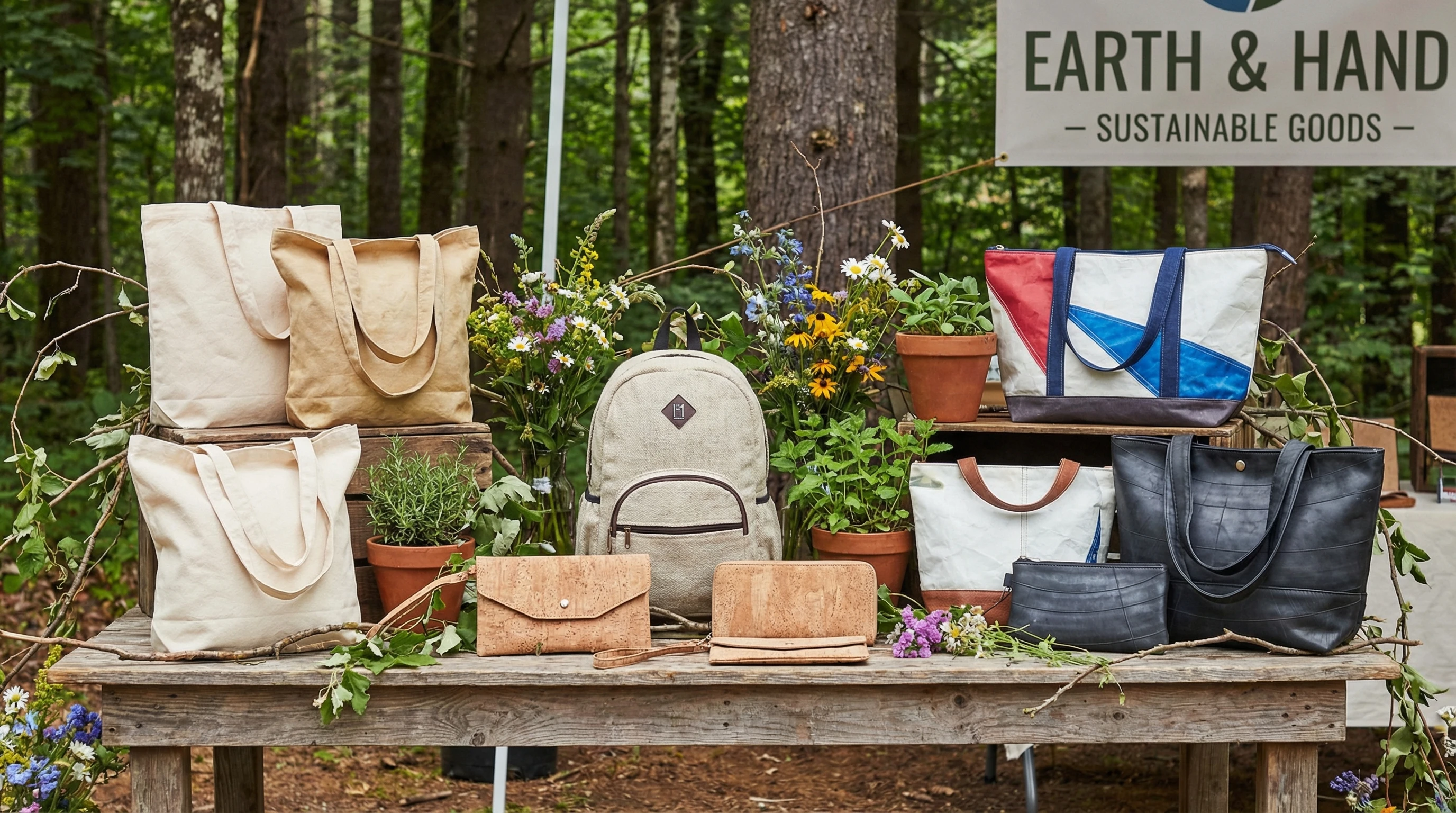
An eco-friendly bag is designed with minimal impact on the environment. Materials are usually sourced from natural, recycled, or upcycled materials, and the manufacturing process aims to reduce waste, energy use, and pollution. I look for things like organic cotton, recycled polyester, cork, jute, and even repurposed sails or seat belts. Some brands also use vegetable-based dyes and skip plastics or harmful chemicals.
But being eco-friendly isn’t just about what’s used to make the bag. It’s about durability and the bag’s end-of-life. A bag that lasts years is a lot better than one that ends up in a landfill after just a season. Compostable or recyclable options add another layer of peace of mind for people who want to minimize waste.
It’s also worth noting that some brands take things up a notch by sourcing materials locally, reducing transport-related emissions, and supporting local economies. Choosing bags from companies that use renewable energy in their production lines or have closed-loop recycling systems can give a significant boost to the overall eco-cred of your everyday carry-all.
Why Choose Eco-Friendly Bags for Everyday Use?
Switching to eco-friendly bags can dramatically reduce your plastic use and support businesses that care about sustainability. These bags aren’t just for trendsetters; they’ve become practical for all kinds of daily routines, holding up through busy weeks and spontaneous adventures. There’s a lot to like—tough stitching, weather resistance, and thoughtful touches like adjustable straps or secret pockets. Many eco brands focus on both form and function, so you don’t have to settle for boring designs.
Plus, carrying a stylish, eco-minded bag starts conversations and shows your values wherever you go. It can make a small but positive impact on your social circles and your community. Even gift-giving gets better—a well-made eco-friendly tote, backpack, or crossbody bag is something most people find super useful and meaningful.
Eco-friendly bags are also typically lighter due to the smart materials used and the minimal packaging these brands opt for. By making the eco-switch, you contribute to less landfill waste, reduced greenhouse gas emissions, and the overall reduction in single-use plastics. It also helps normalize sustainable habits in everyday settings. The little choice of using such a bag every day can spark curiosity and inspire others to make their own green changes.
Types of Eco-Friendly Bags
The choice is impressive, whether you need something big for shopping trips or a compact bag for quick errands. Here’s a quick breakdown of common types:
- Tote Bags: Large, sturdy, and perfect for everyday commutes or grocery hauls. Common materials include organic cotton, jute, recycled canvas, and hemp.
- Backpacks: Great for students, city dwellers, and travelers. Look for backpacks made from recycled plastic bottles (rPET), upcycled fabrics, or responsibly sourced cotton.
- Crossbody and Sling Bags: Hands-free, compact, and ideal for busy days on the move. Cork, vegan leather, or hemp blends work well here.
- Grocery & Produce Bags: Lightweight mesh, organic cotton, or recycled polyester mesh bags are easy to pack and reuse.
- Crochet Bags: These can be both stylish and eco-friendly, especially if they’re hand-crocheted from organic cotton or recycled yarn. So yes, crochet bags can definitely be an eco-friendly choice if made from sustainable materials and produced responsibly.
Some brands even offer modular or packable eco-friendly bags that fit into a pocket or tiny pouch, making them super convenient for surprise shopping trips or when you travel. With so many designs available, it’s never been easier to match your needs and personal style with a green option.
What Material Is Best for Everyday Eco-Friendly Bags?
The best eco-friendly material depends on your lifestyle, but I’m a big fan of these options for their durability, accessibility, and environmental impact:
- Organic Cotton: Grown without harmful pesticides and often certified by groups like GOTS, this cotton feels soft, lasts ages, and is easy to wash.
- Recycled Polyester (rPET): Made from old plastic bottles, this material stops waste from reaching landfills and makes for sturdy bags that resist stains and tearing.
- Hemp: Naturally resistant to mold and UV rays, hemp gets softer with use and needs way less water than regular cotton to grow.
- Cork: Super lightweight and naturally water resistant, cork is renewable and offers a really unique look for bags.
- Jute: Biodegradable, strong, and with a rustic vibe, jute is great for market totes and sturdy shoppers.
If you want something specifically for heavier loads or outdoor use, recycled canvas or rPET blends often work best. For style and a lighter touch, I’d consider cork or even vegan leathers made from things like pineapple or apple skin waste; these have become way more affordable and accessible lately.
Don’t forget to check if the bag uses plant-based dyes and water-based adhesives. Details like these ensure your eco-friendly choice goes beyond the basics and supports a truly green lifestyle. Also, look for certifications or product transparency statements to double-check the green claims.
Are Crochet Bags Eco-Friendly?
Crochet bags earn their green cred depending on the yarn or thread used. If you choose a crochet bag made from organic cotton, bamboo, or yarn recycled from old textiles, it’s definitely eco-friendly. Small batch or handmade crochet bags usually support local artisans and have a much smaller carbon footprint than mass-produced plastic purses. Some larger brands ensure their crochet bags are made in fair-wage studios and avoid synthetic or petroleum-based threads, too.
For the best environmental bang for your buck, look for natural fibers and see if the bag is made in your region. Bonus points if the maker uses leftover or deadstock yarn! Crochet bags made this way are both stylish and planet-friendly for everyday life. They are also often unique, adding a personal touch to your daily look.
What Is the Most Environmentally Friendly Bag?
The most environmentally friendly bag is one that’s made from renewable or recycled materials, produced ethically, built to last, and easy to recycle or compost at the end of its life. On all those fronts, a classic organic cotton tote or a sturdy hemp bag usually tops the list. These materials break down much more easily than plastic, are less polluting to produce, and often carry durability perks.
If you want even more points for sustainability, bags made from upcycled materials—like old sails, seat belts, or even denim—are worth checking out. They keep useful stuff out of the landfill and often end up looking one-of-a-kind. Durability is really important here. The longer you keep your bag in use, the better its overall impact, no matter the material.
Another seriously eco-friendly option includes bags designed to be disassembled and recycled after their useful life. Some companies make bags whose parts, even the thread and buckles, can be recycled. This design-forward approach supports a circular economy and reduces waste to near zero.
Best Eco-Friendly Bag Brands to Try
Lots of brands mix solid ethics with real style. Here are a few of my favorites, plus what I think they do well:
- Baggu: Their ripstop nylon totes and packable bags are super popular, plus the brand uses recycled materials and packaging.
- Pela: Known for compostable phone cases, Pela also makes simple, compostable cotton and jute bags.
- Terra Thread: This brand’s organic cotton backpacks and totes are made in Fair Trade-certified factories, plus they come in a ton of cool colors.
- Matt & Nat: With vegan leather made from recycled plastic bottles and linings from recycled nylon, their backpacks and crossbodies look sleek while going easy on the planet.
- EcoRight: These colorful bags use organic cotton and recycled fabric, and ship in plastic-free packaging. Their prints and styles add a fun twist to eco basics.
- Rothy’s: Famous for shoes, but their machine-washable totes and pouches are knit with marine plastic and recycled water bottles.
- Looptworks: Bags made from upcycled materials like excess airline uniforms and wetsuits, turning would-be waste into something totally new.
I’d also suggest checking out local artisans and craft collectives; sometimes the best eco-friendly bag finds come from independent sellers who repurpose fabrics and support fair labor close to home. Many small businesses actually outshine bigger brands in sustainability and transparency because they rely on word of mouth and local connections.
How to Pick the Right Eco-Friendly Bag For You
Your best bag depends on your daily grind. Here’s what helps me choose one that fits my needs:
- Size & Functionality: A larger tote or backpack is handy if you’re carrying a laptop, groceries, or gym clothes. Smaller crossbodies or slings are great for quick trips or evenings out.
- Pockets & Closures: Secure pockets for your keys and phone, sturdy zippers or snap closures, and easy-wash linings make a big difference over time.
- Comfort: Padded straps matter if you’ll be carrying the bag for hours. Adjustable options let you switch from shoulder to crossbody on the fly.
- Style: Think about color, print, or texture. Eco-friendly bags come in every vibe, so you don’t need to compromise your personal style.
- Sustainability Transparency: Check if the company is open about their materials, labor practices, and disposal recommendations. Certifications such as GOTS, Fair Trade, or OEKO-TEX can be good indicators.
With a little bit of research, you’ll find something that not only looks good but also lines up with your values on sustainability and ethics. Reading reviews and watching how a bag wears over time can help you avoid greenwashing and make sure your choice stands up to everyday life.
Frequently Asked Questions: Eco-friendly Bags
Are crochet bags eco-friendly?
Crochet bags are usually eco-friendly when made from natural or recycled fibers, like organic cotton or bamboo yarn. Bonus points if they’re handmade in small batches or support local artisans.
What is the most environmentally friendly bag?
A classic organic cotton tote or a durable hemp bag generally offer the lowest environmental impact. Upcycled bags made from materials like old sails or recycled canvas are also worth choosing.
What are the best eco-friendly brands?
Some top eco-friendly brands include Baggu, Terra Thread, Matt & Nat, Pela, Rothy’s, and Looptworks. Many smaller local makers also produce bags with impressive environmental and social transparency.
What is the best material for everyday bags?
For most people, organic cotton, recycled polyester (rPET), hemp, or sturdy upcycled canvas work great for everyday use thanks to their mix of strength, lightness, and sustainable credentials.
Final Thoughts on Making the Eco-Switch
Switching to a stylish, ecofriendly bag is a small change that can bring on big benefits for both your lifestyle and the planet. Whether you go for a sturdy organic cotton tote, a sleek vegan leather crossbody, or a one-of-a-kind upcycled backpack, you’re making a choice that looks good and does good, too. Enjoy the search, and happy carrying! And remember, every eco-friendly bag you choose is a vote for a greener, cleaner world—one step at a time.